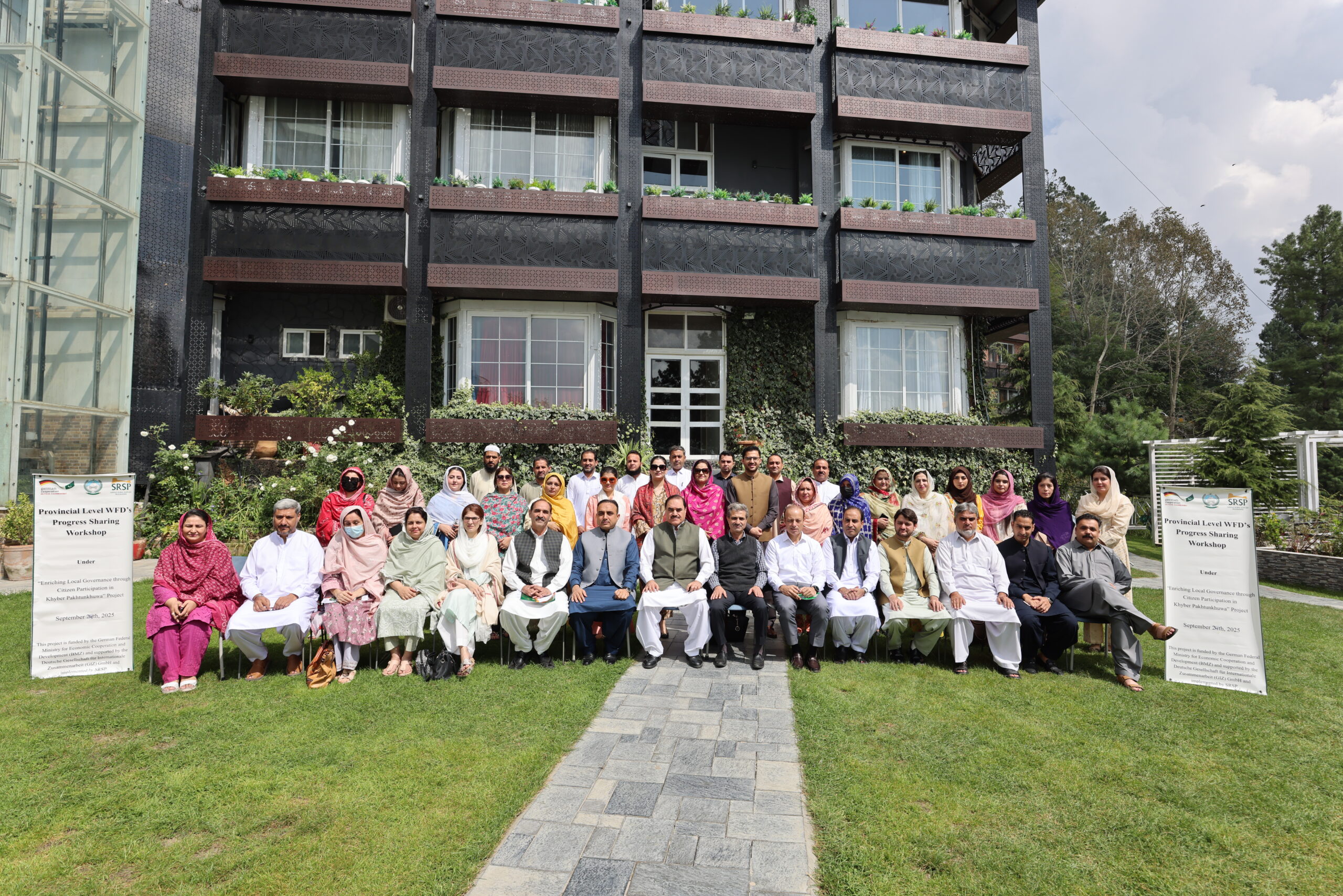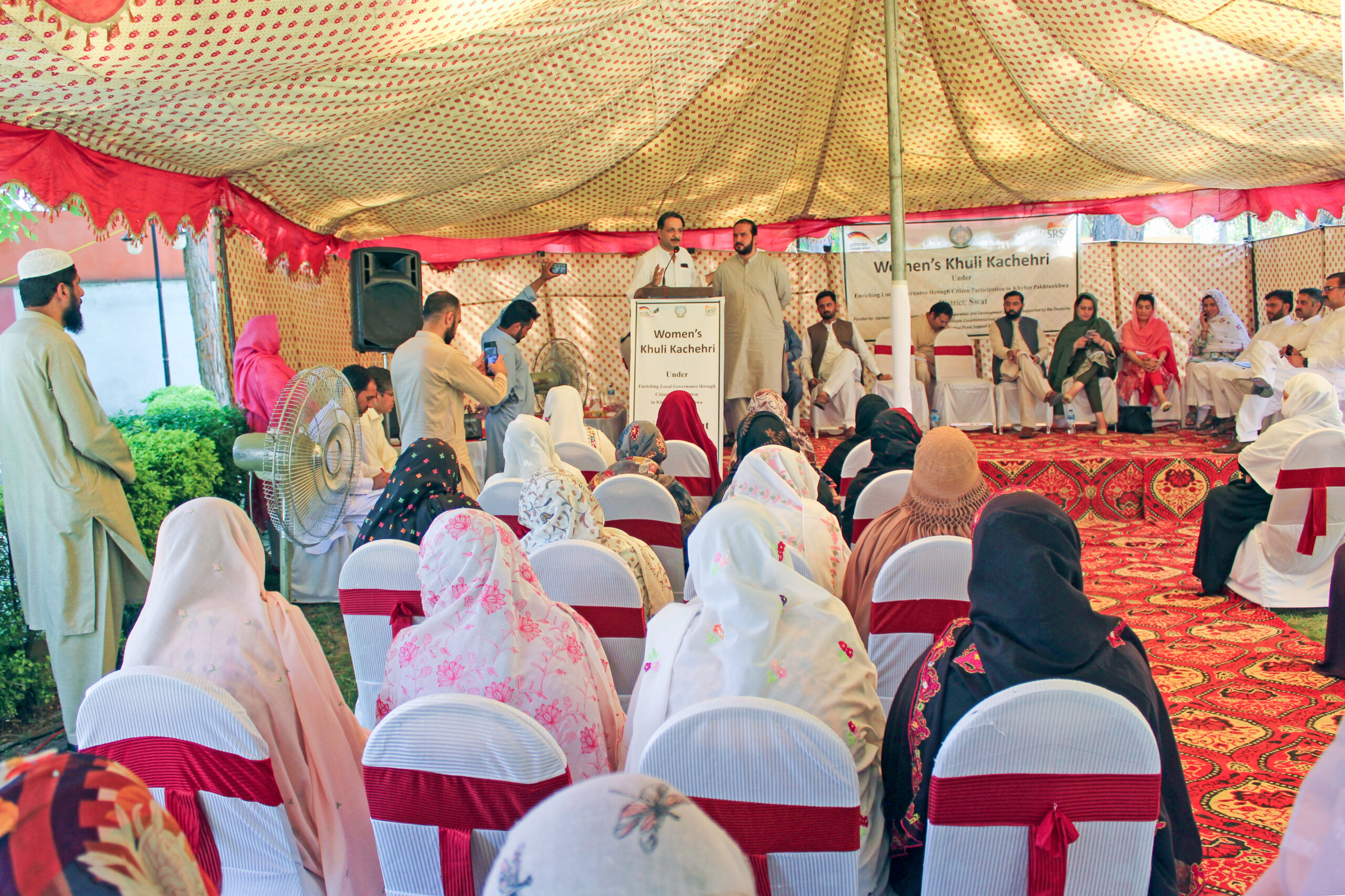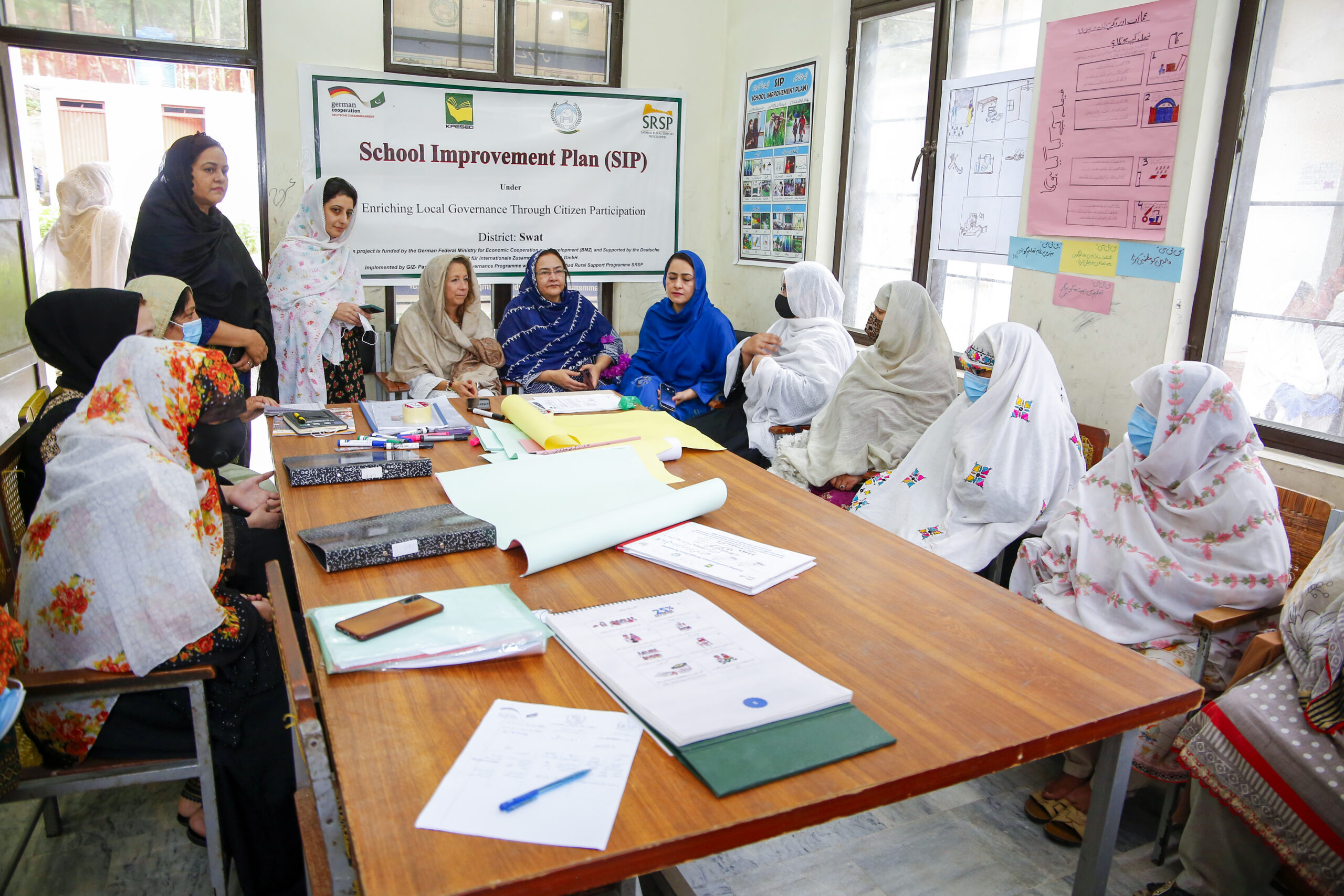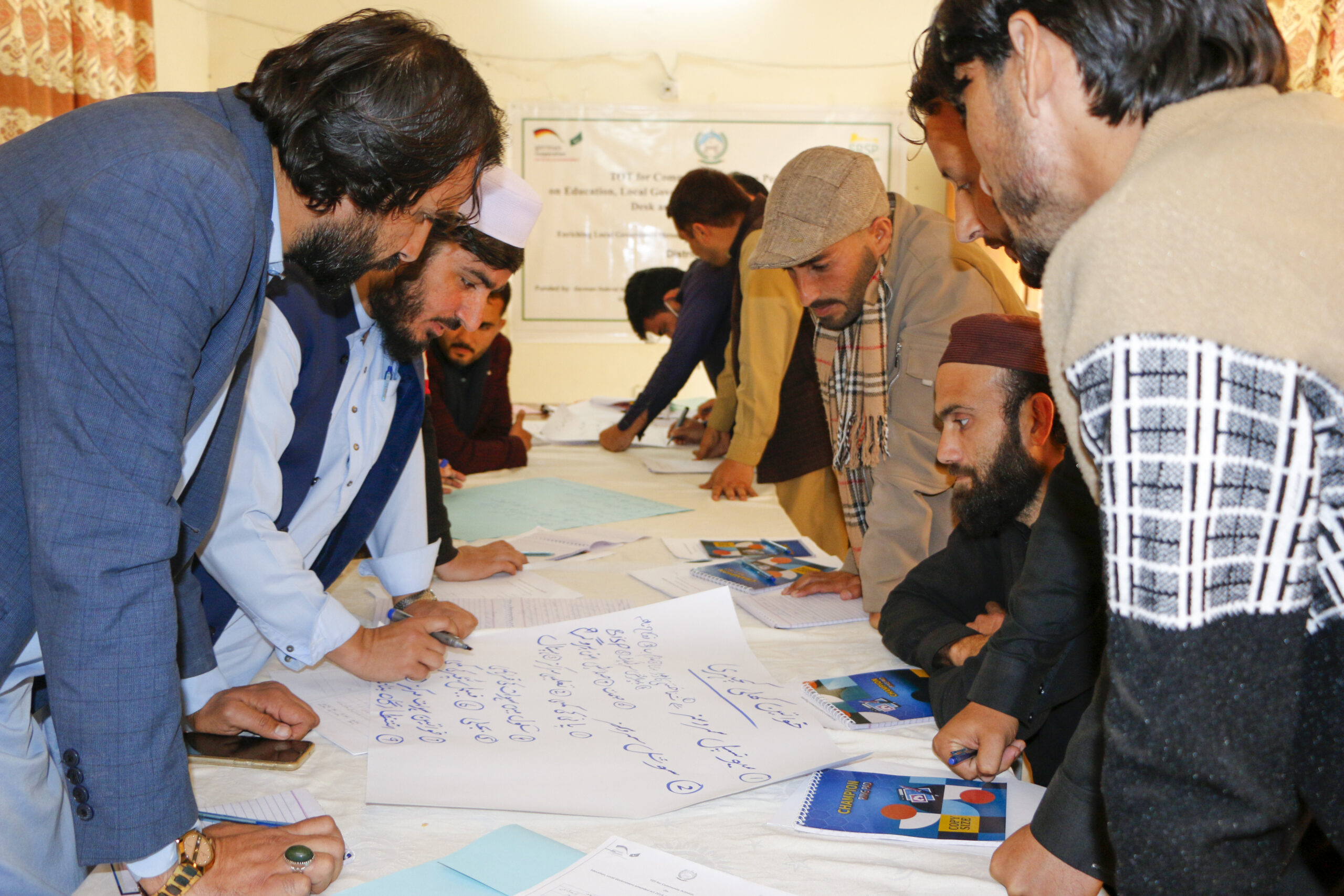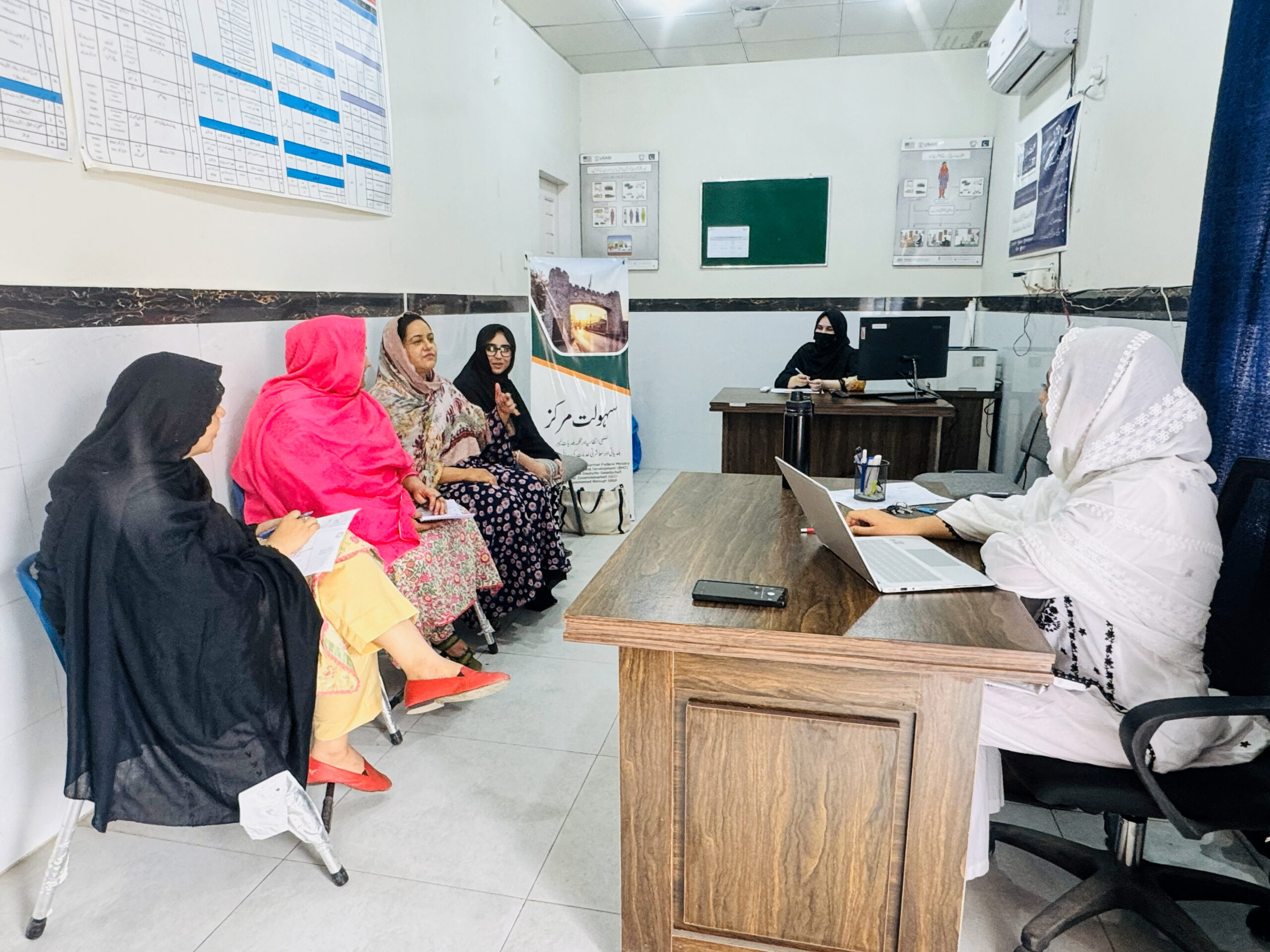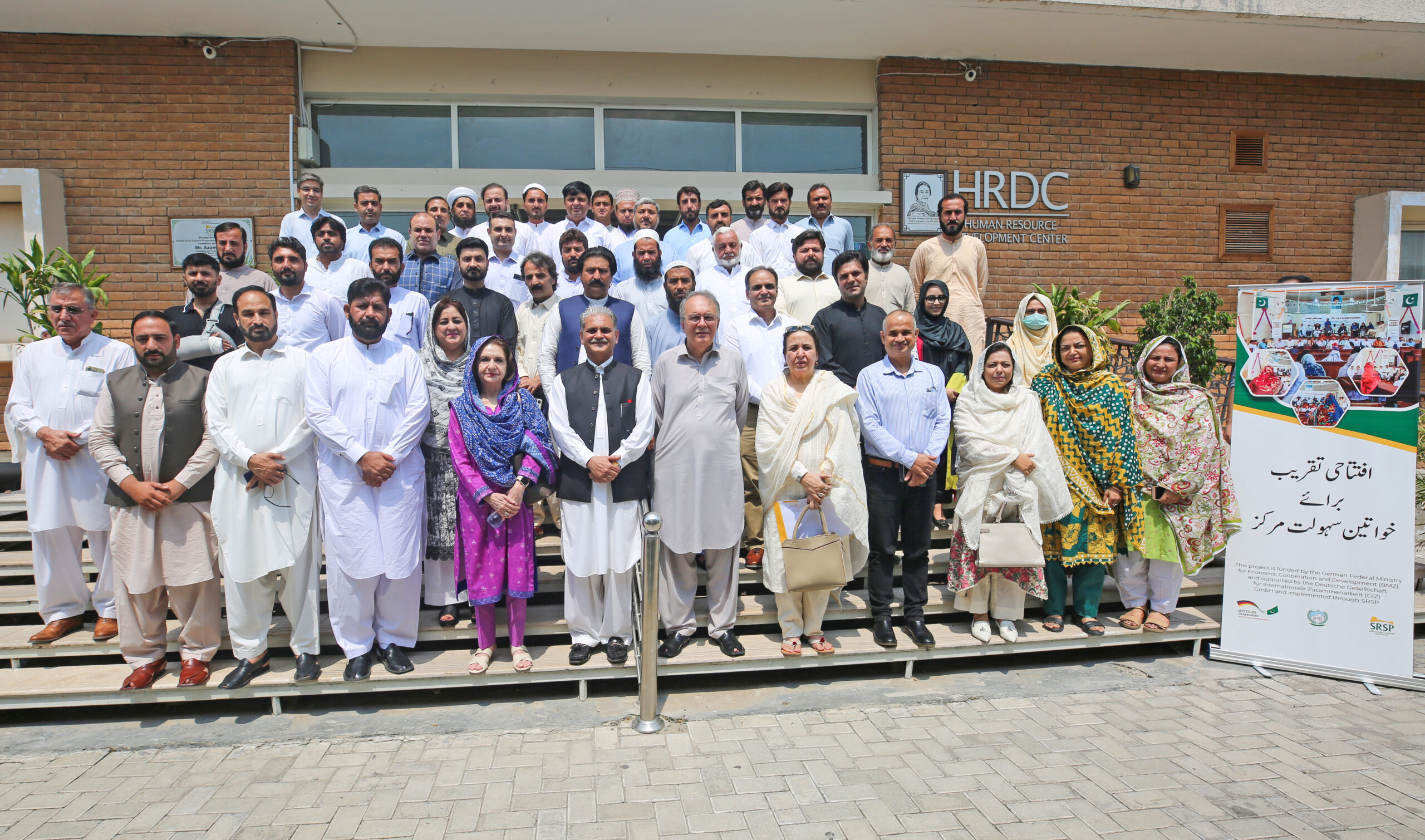
It is pertinent to mention that Sarhad Rural Support Programme (SRSP), in partnership with GIZ, the Local Government Elections and Rural Development Department (LGE&RDD)
wherein the Elementary & Secondary Education Department (E&SE), implemented the project “Enriching Local Governance through Citizen Participation in Khyber Pakhtunkhwa. Furthermore, the initiative aimed to strengthen local governance systems, improve education service delivery, and enhance citizen participation with a particular focus on advancing women’s empowerment and access to essential services.
It envisages strengthening local governance and the education sector via promoting active citizen participation, ensuring that women had increased access to services and a stronger voice in community development.
It is noteworthy to mention that the project improved public service delivery, strengthened school governance structures, and elevated women’s participation in local decision-making. Furthermore, via embedding inclusive practices within governance and education systems, the initiative contributed towards accountable, gender-responsive, and community-driven development across Khyber Pakhtunkhwa.