Inclusive Planning & Community Mobilization for improved service delivery in Refugee-Hosting Communities” (Phase-2)

  • Project Timeline:

    October 2023- June 2025

  • Budget:

    PKR 226 million

  • Area of Implementation:

    Peshawar, Nowshera, Kohat

  • Sector:

    Education / Health / Inclusive Governance / Refugee Support

Funded By:

Project Brief

The Sarhad Rural Support Programme (SRSP), in collaboration with Deutsche Gesellschaft für Internationale Zusammenarbeit (GIZ) and funded by the German Federal Ministry for Economic Cooperation and Development (BMZ), successfully implemented the Education and Health Services (EHS) Project – Phase II in refugee-hosting communities of Khyber Pakhtunkhwa.

The project aimed to improve equitable access to quality education and healthcare for Afghan refugees and host communities by strengthening inclusive governance systems, upgrading public facilities, and empowering community institutions to sustainably manage and oversee service delivery reforms.

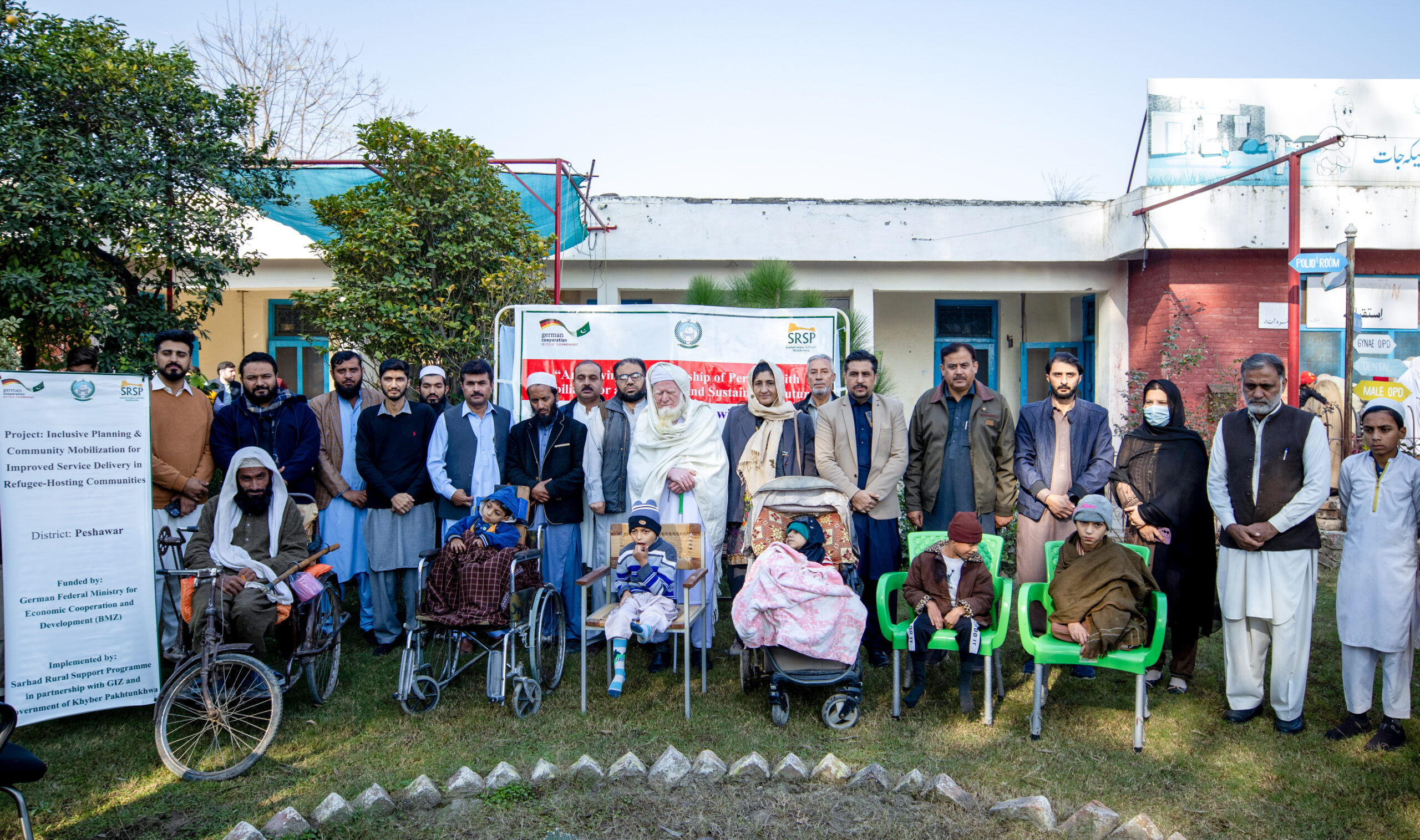
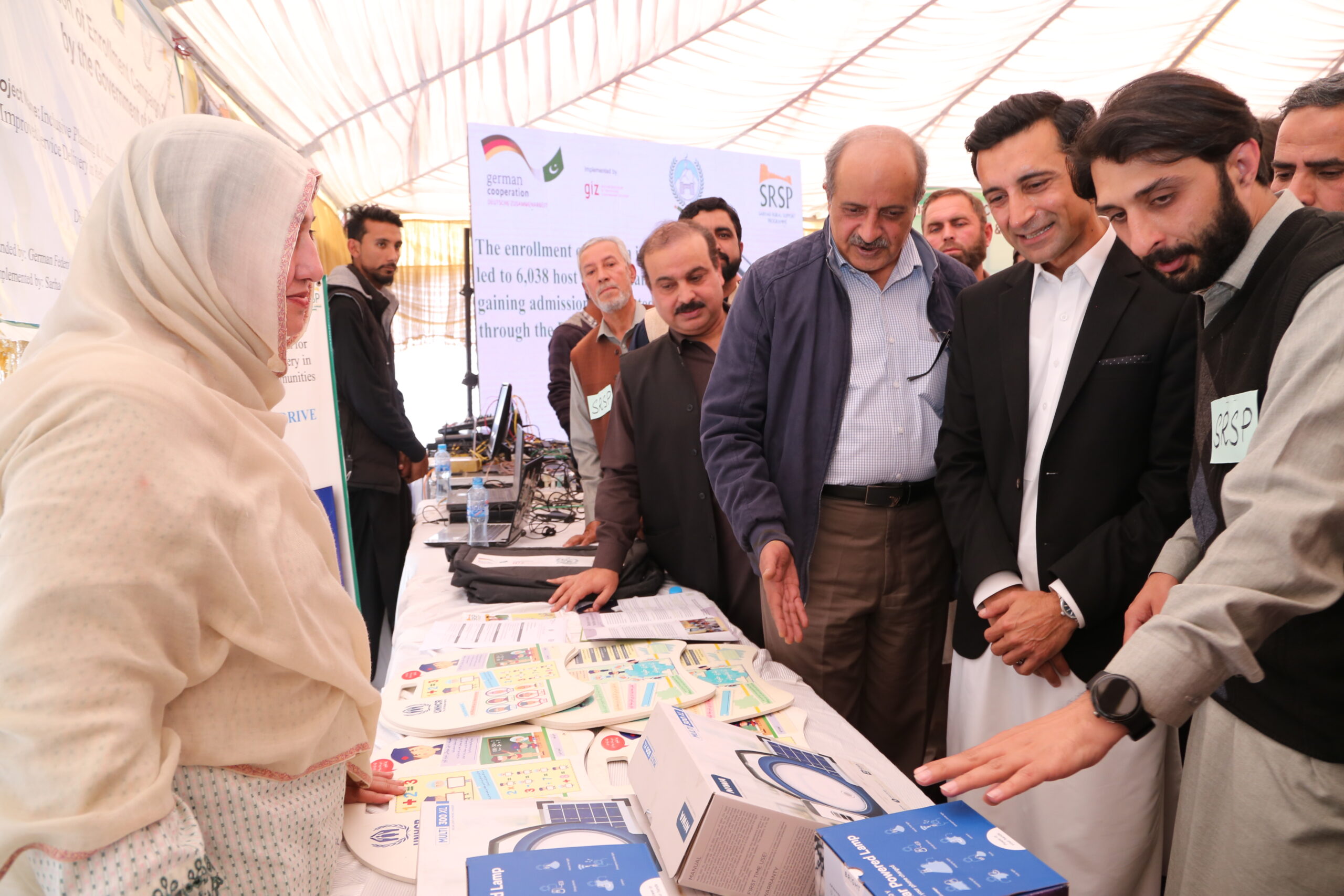
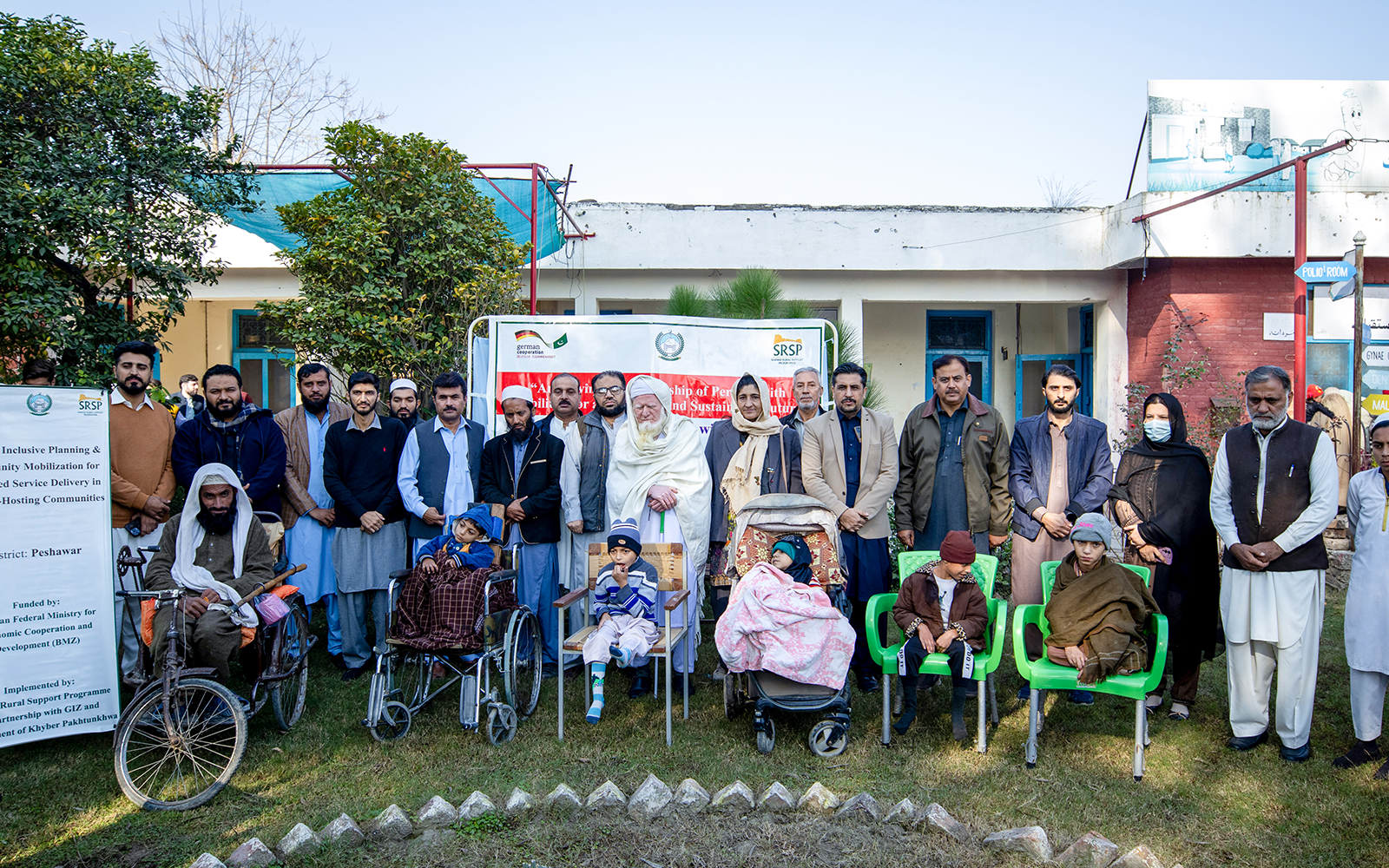
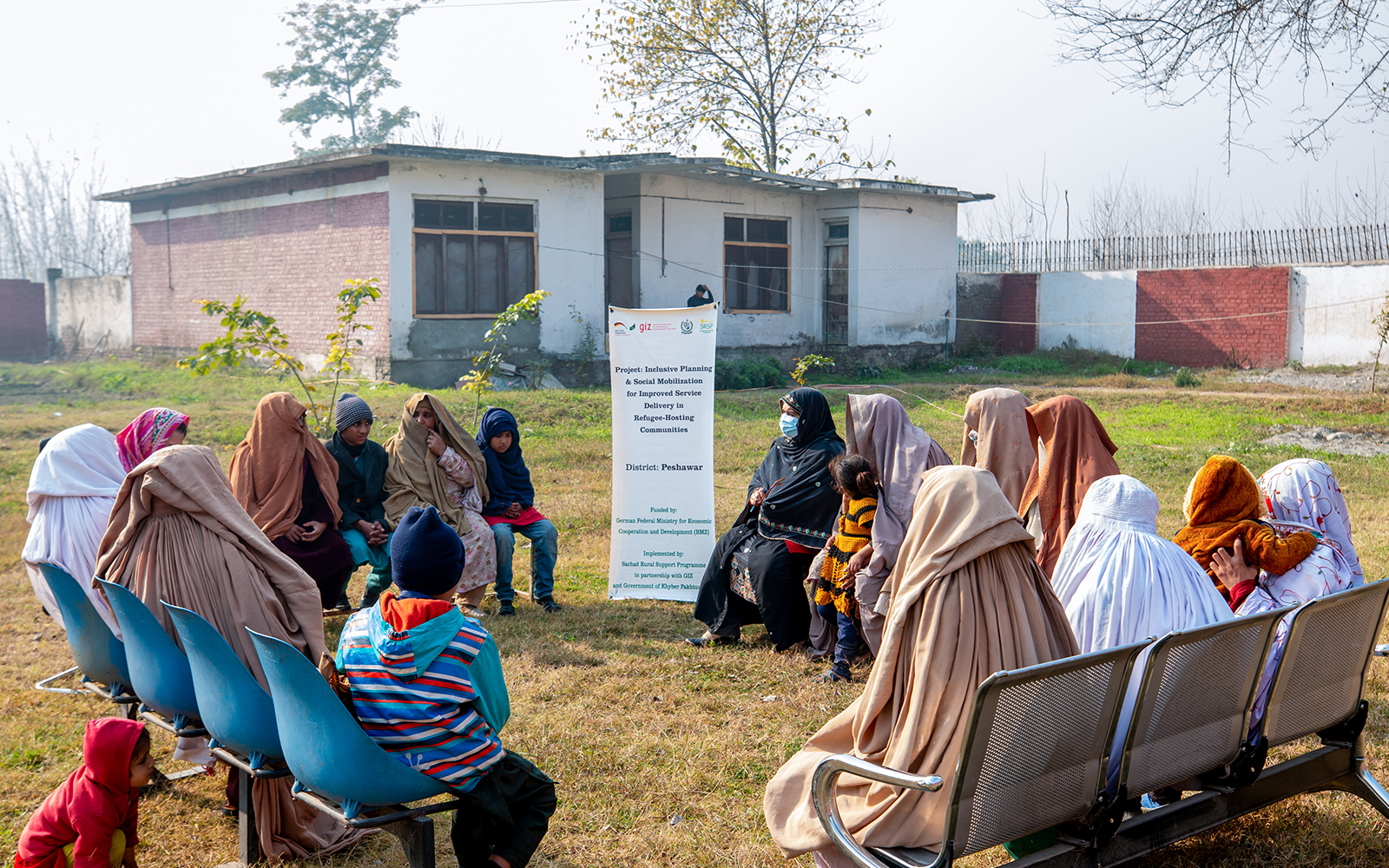
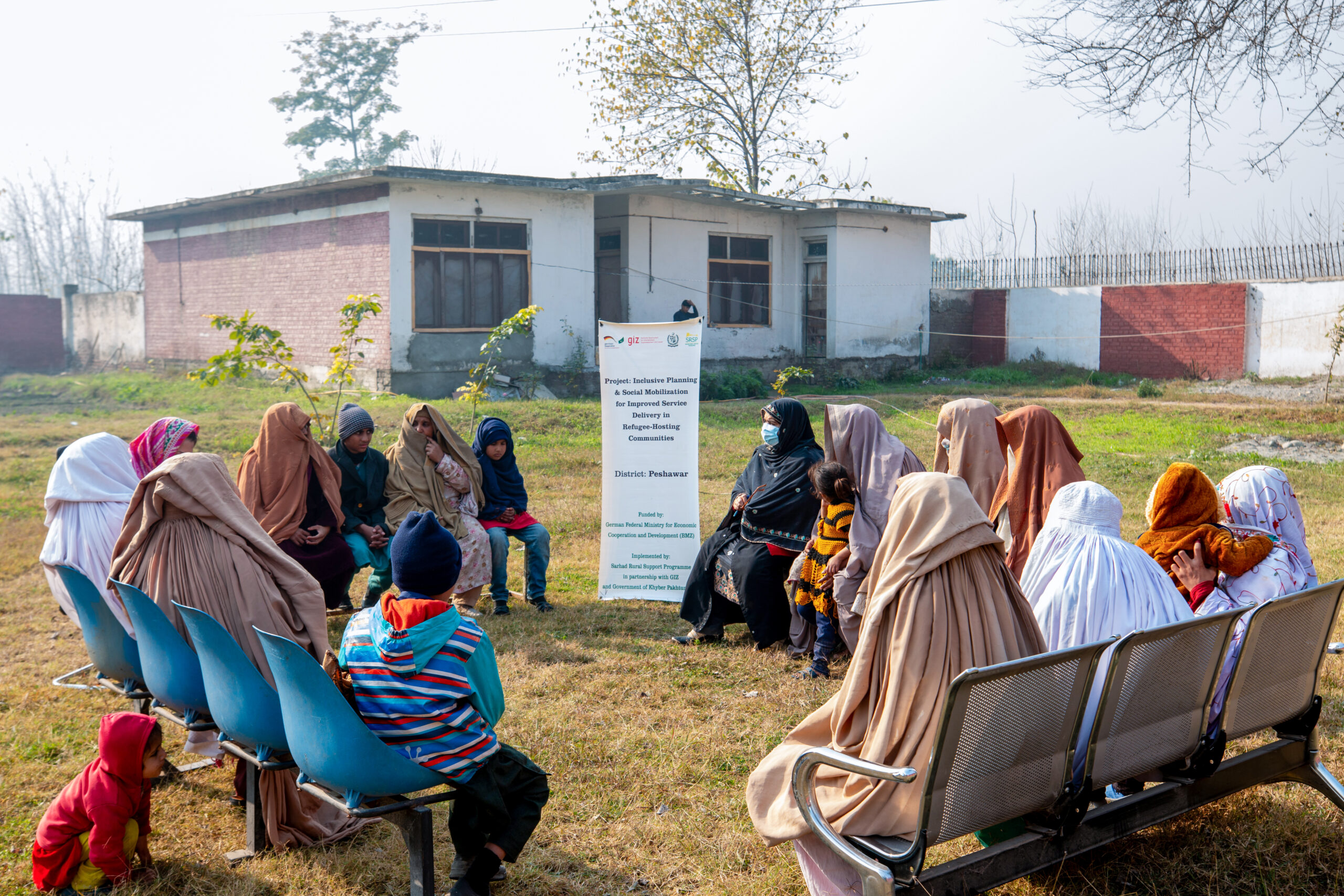
A community-driven and inclusive governance modelwas adopted, placingParent Teacher Councils (PTCs)and Primary Care Management Committees (PCMCs) at the center of planning, decision-making, and accountability. Special emphasis was placed on the meaningful participation of women, Afghan refugees, and persons with disabilities in local governance processes.

Objective

To strengthen inclusive planning and community mobilization mechanisms that improve access to quality education and health services in refugee-hosting communities, while institutionalizing gender equality, disability inclusion, and refugee-sensitive approaches within public service delivery systems.

Progress Update of Activities

Education Component
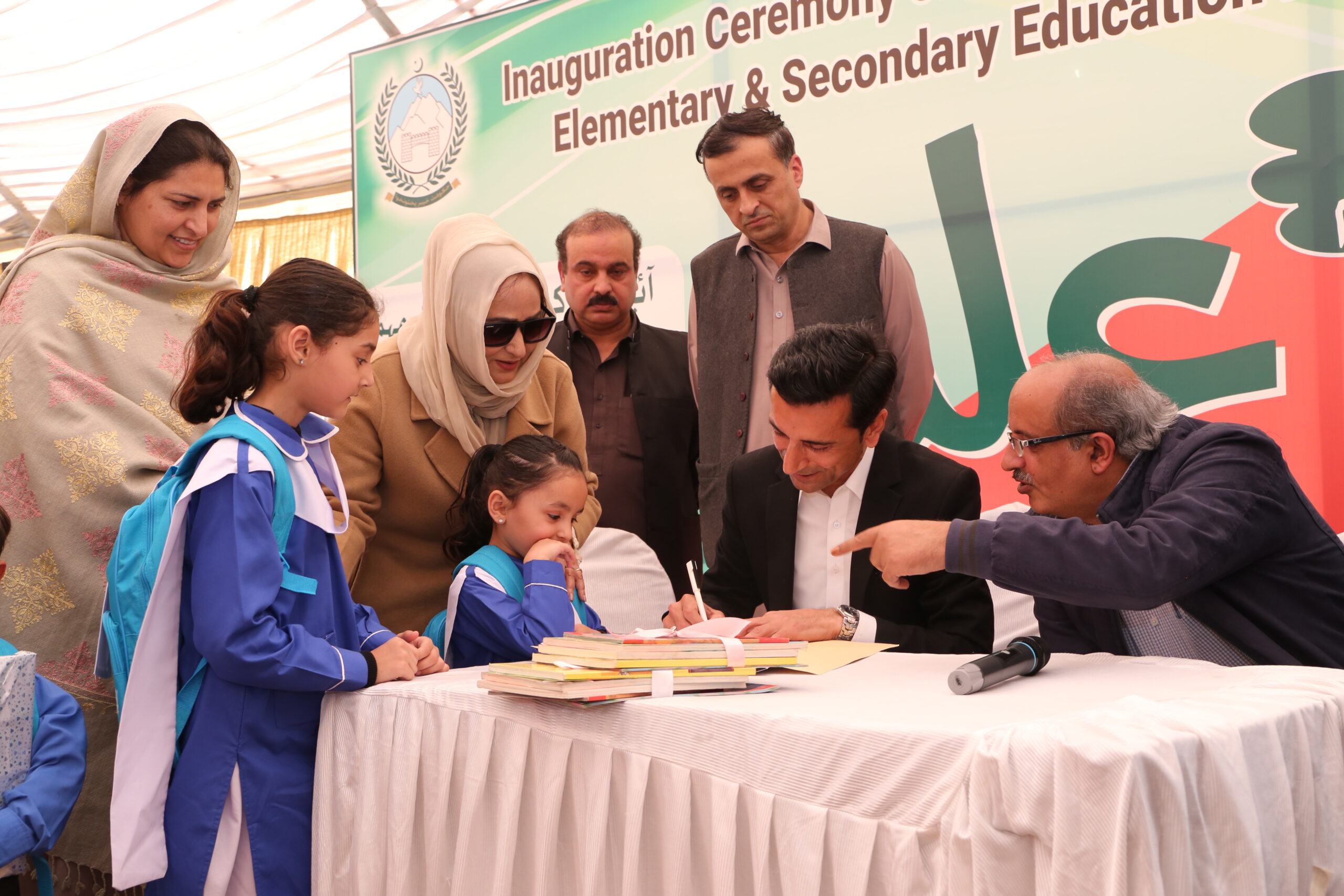
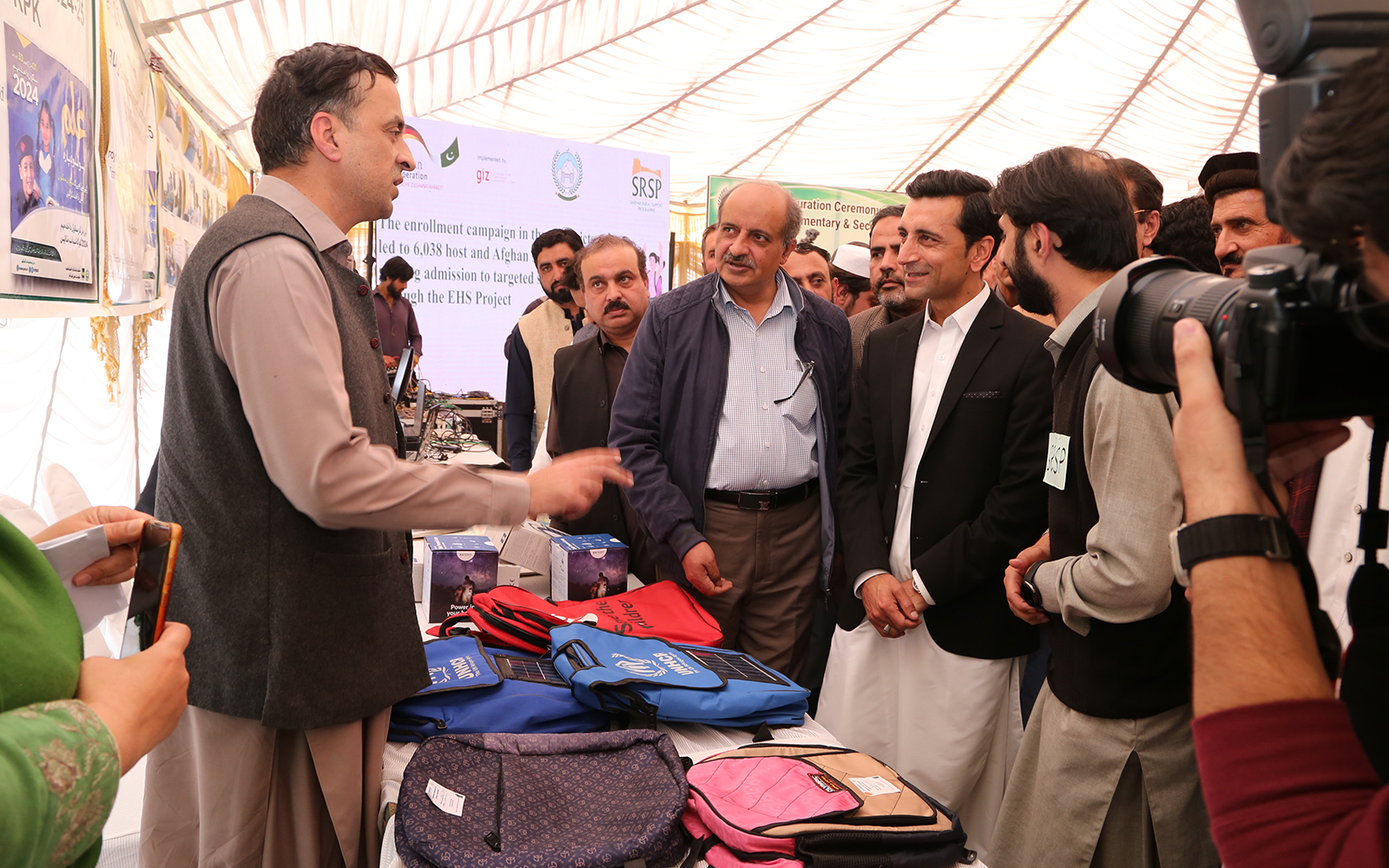
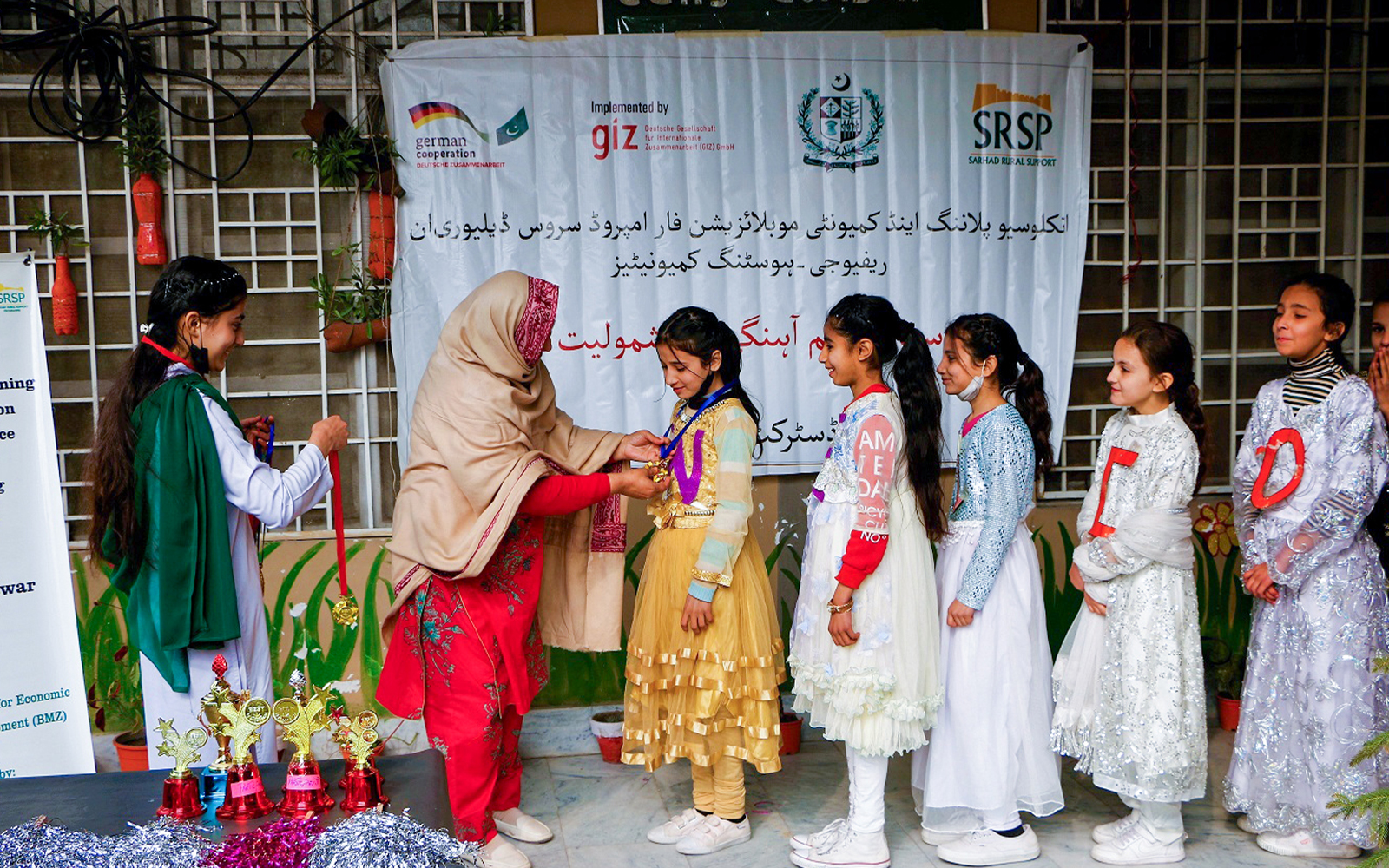
  • Student enrolment increased by 45.5% overall, with a 47% increase in girls’ enrolment compared to the baseline.
  • 30 schools were upgraded and made safer and more inclusive, improving physical access and learning environments.
  • 300 PTC members (including 190 women) were trained, and 30 School Improvement Plans (SIPs) were fully implemented.
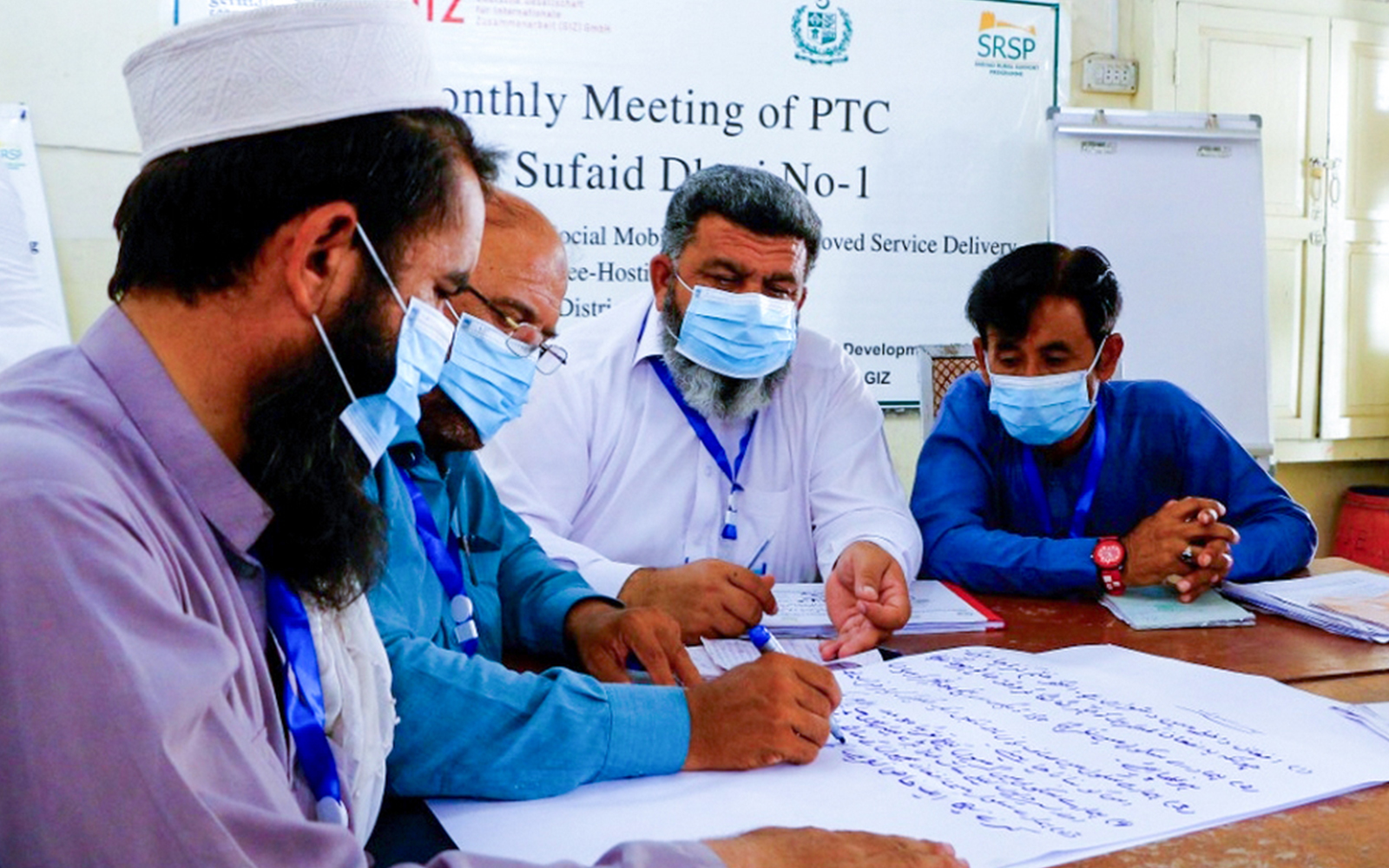
  • PTCs conducted over 650 regular meetings, significantly strengthening school governance and community oversight.
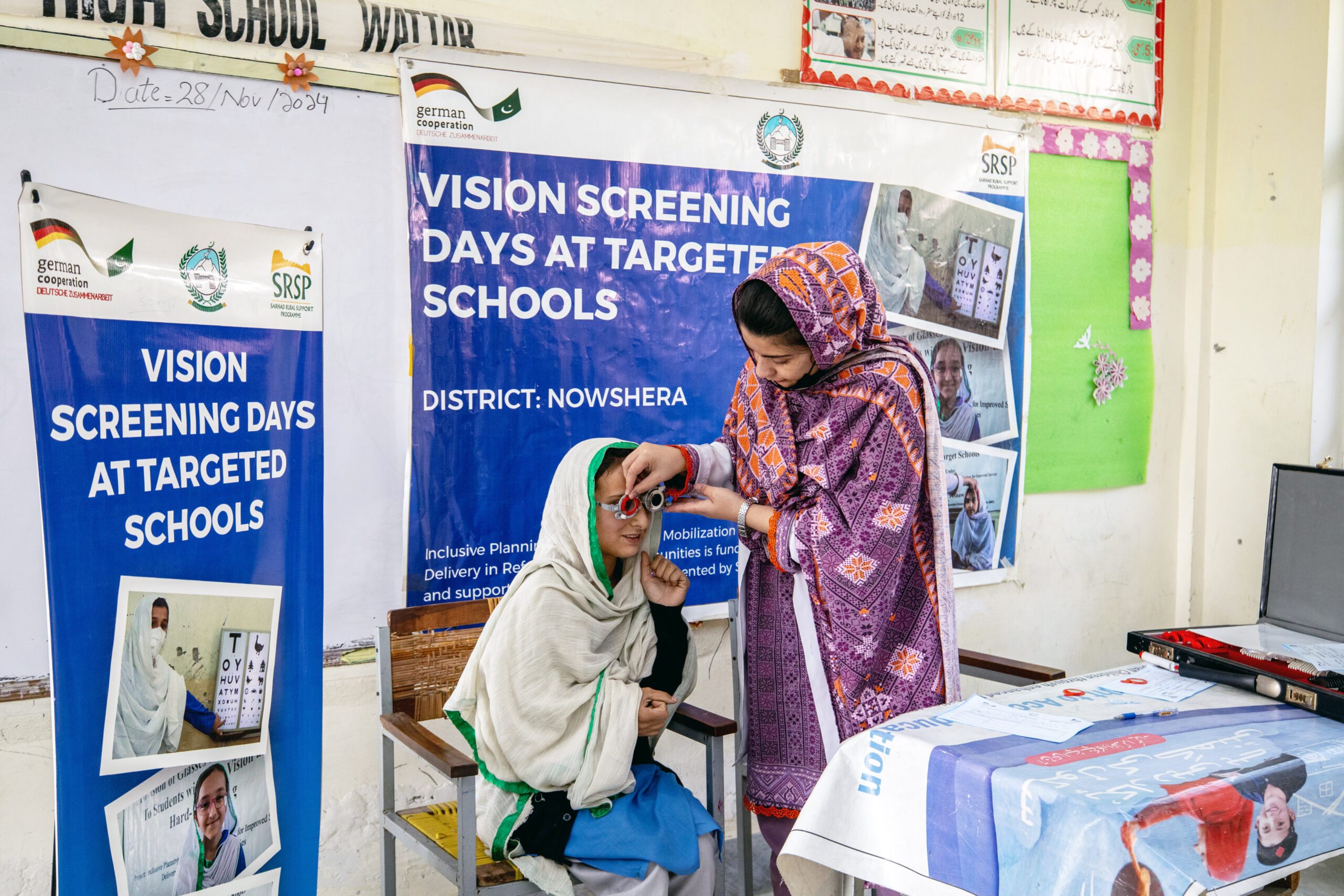
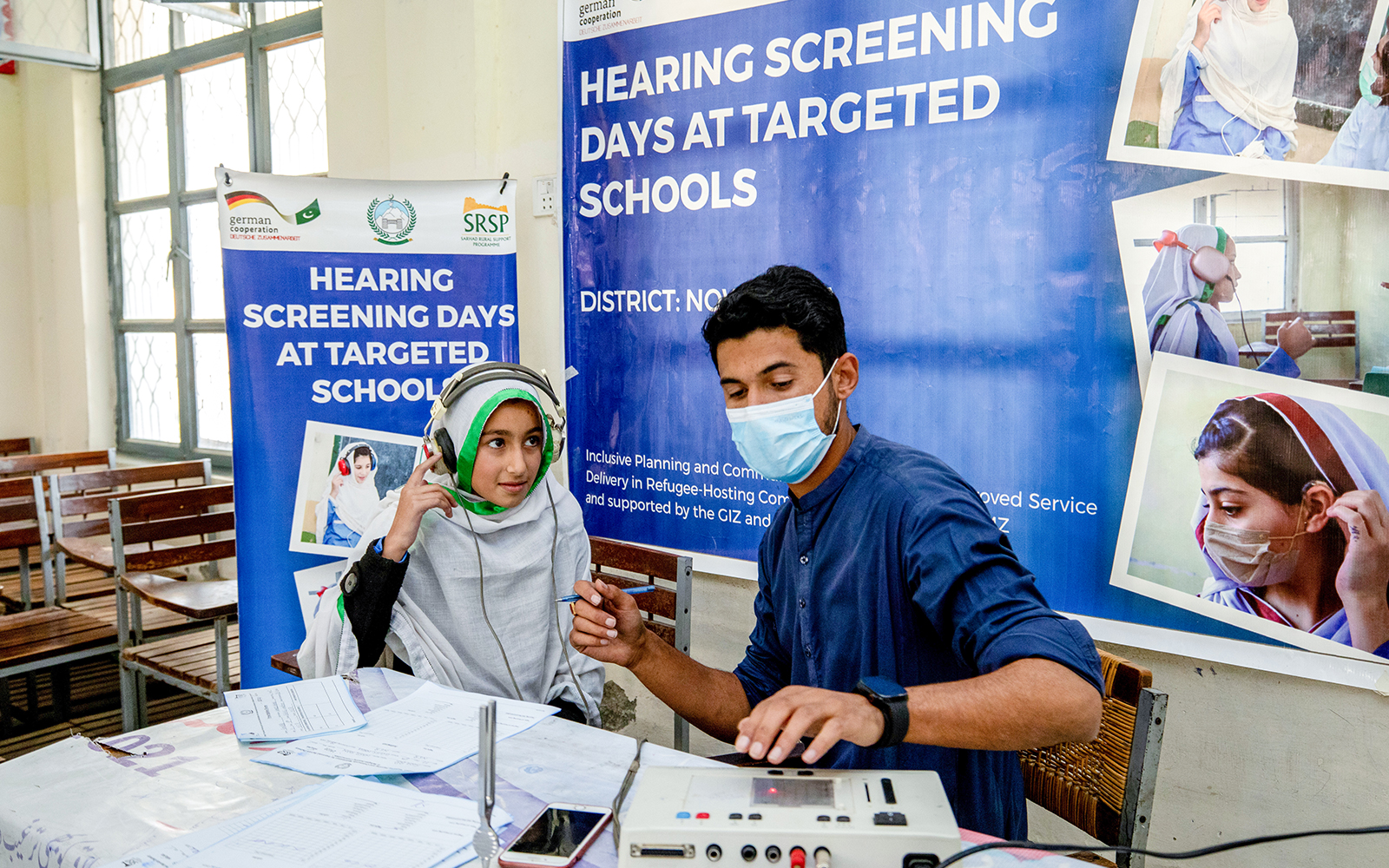
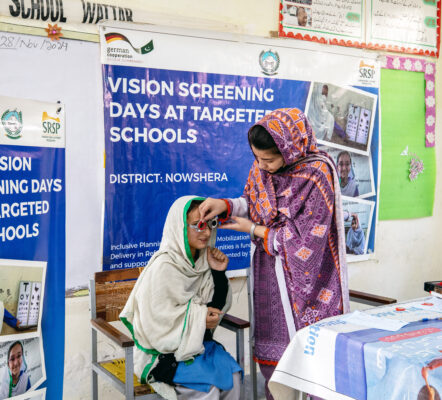
  • 23,500 students were screened for vision and hearing impairments; 1,481 pairs of eyeglassesand286 hearing aidswere provided, enabling children with disabilities to actively participate in learning.
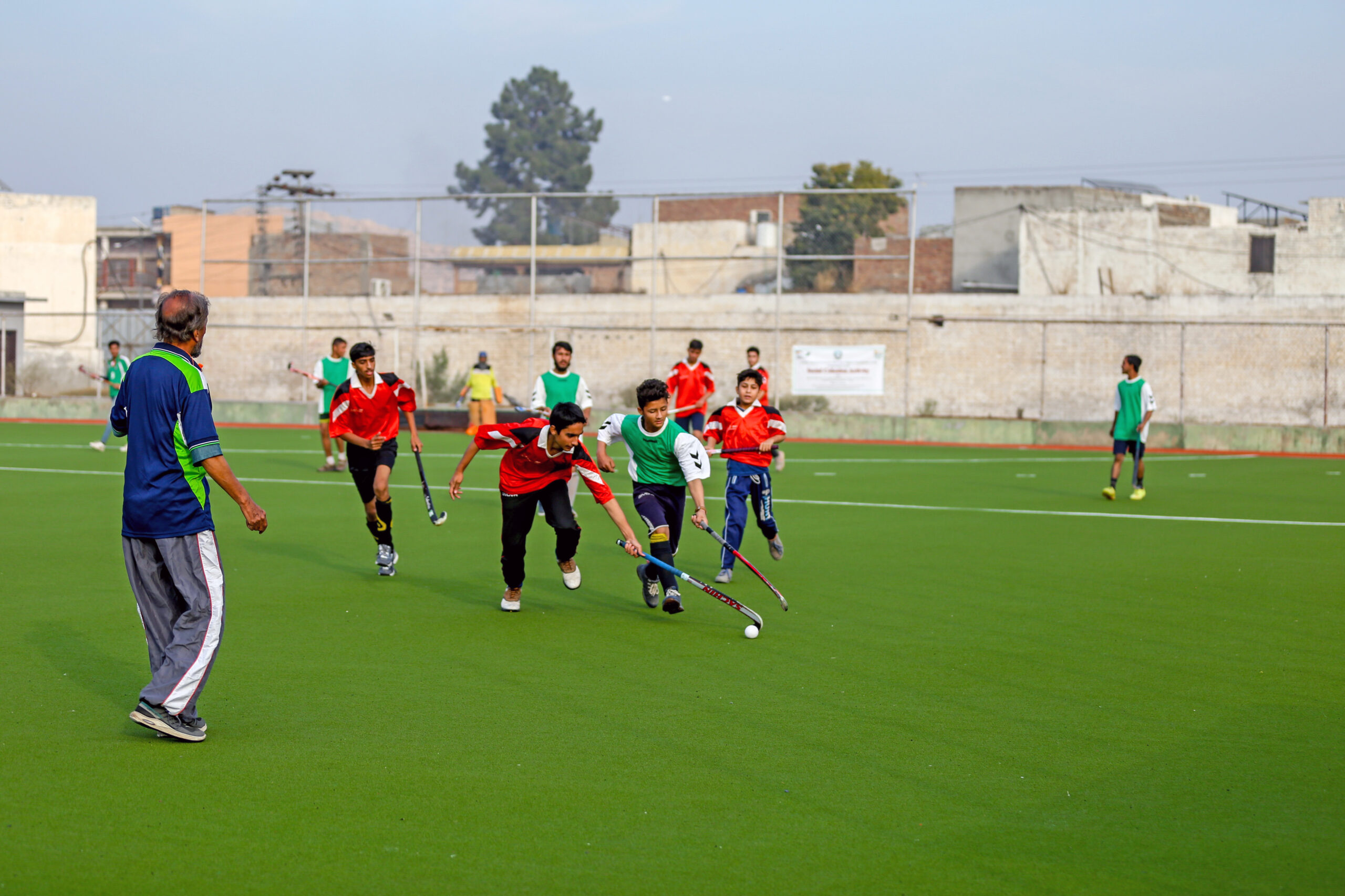
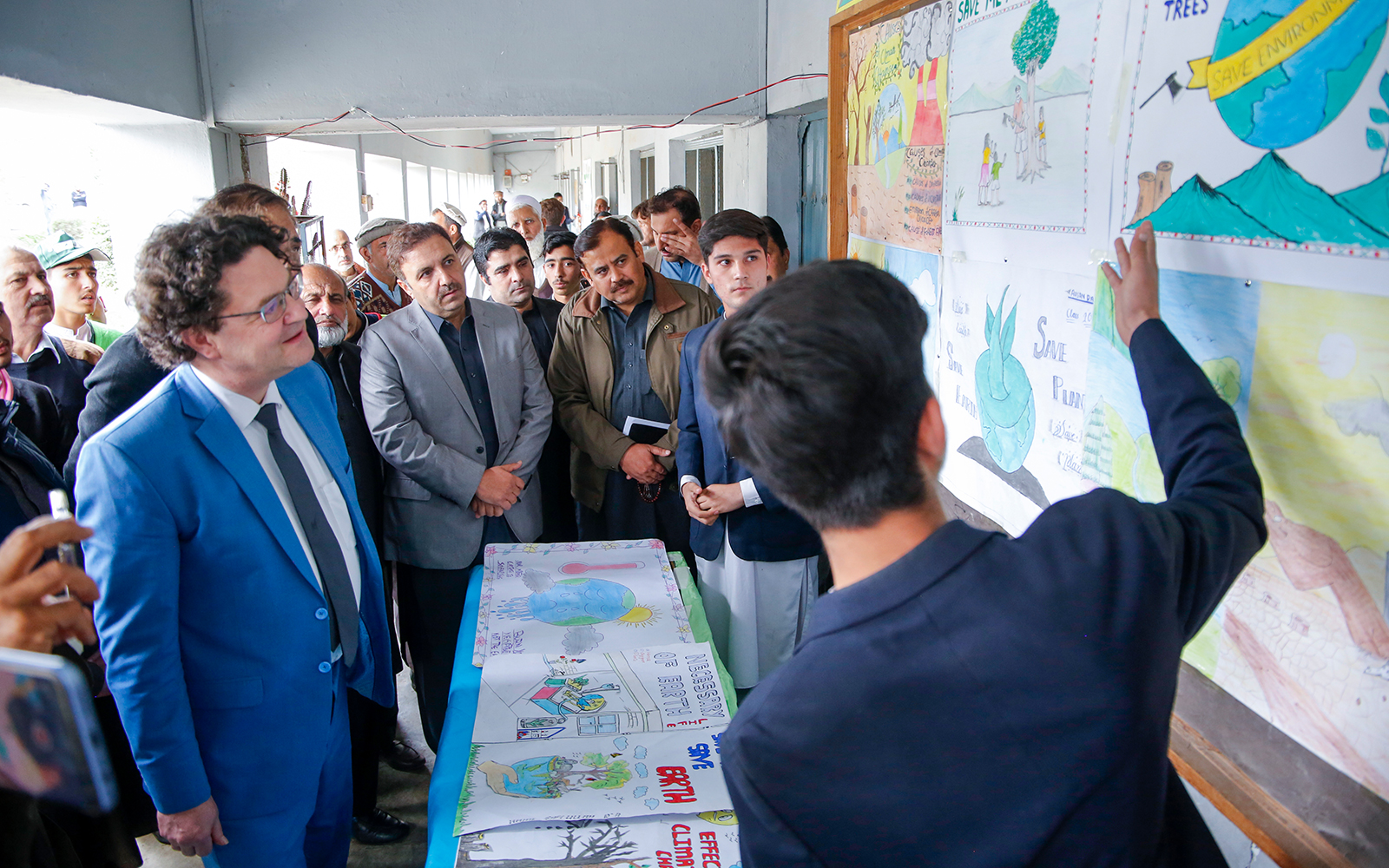
  • Teachers and education officials were trained on climate change, gender equality, disability inclusion, and Sports for Development (S4D).
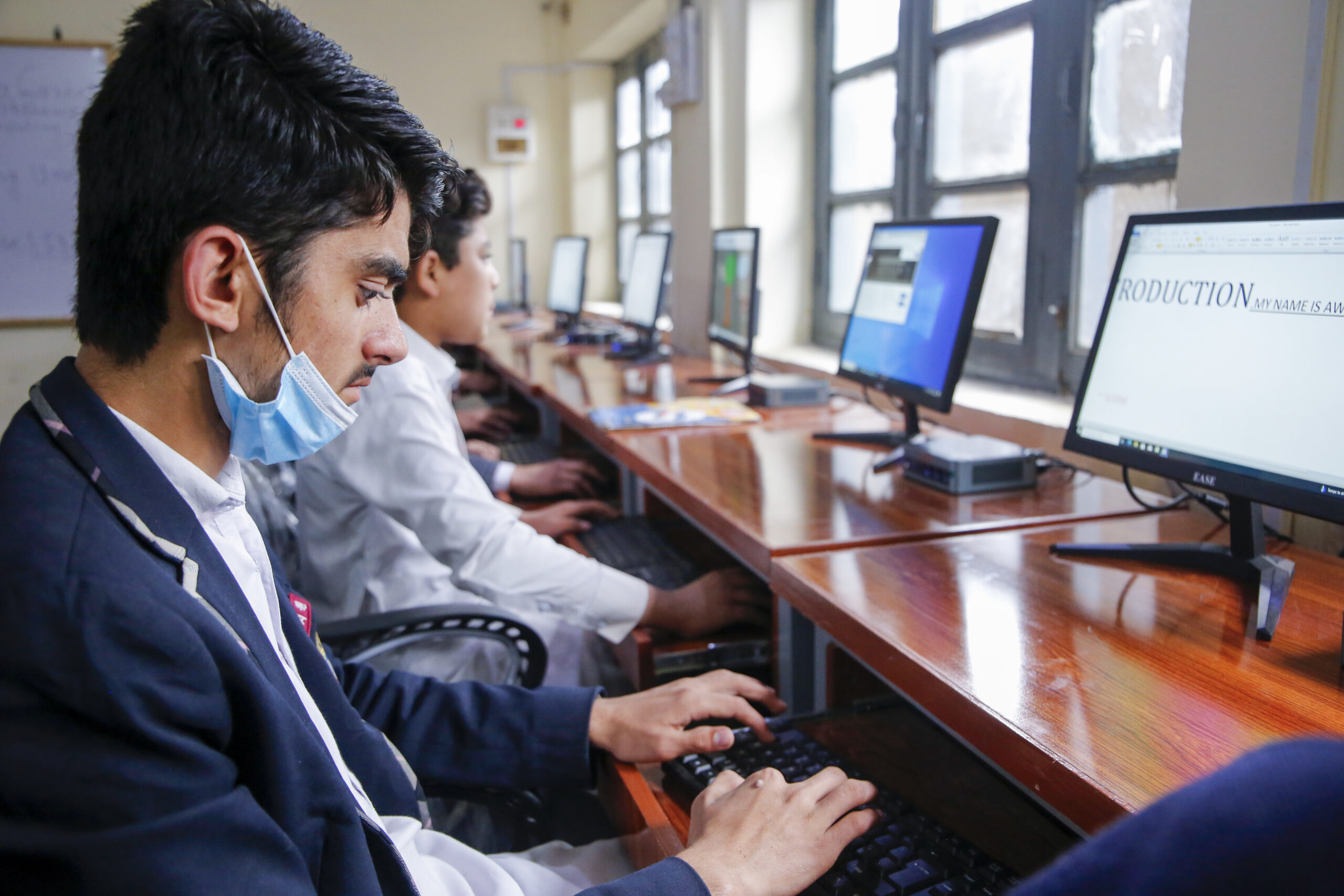
  • 10 IT labs were established and solarized; 140 youth and adolescent girls received digital skills training.
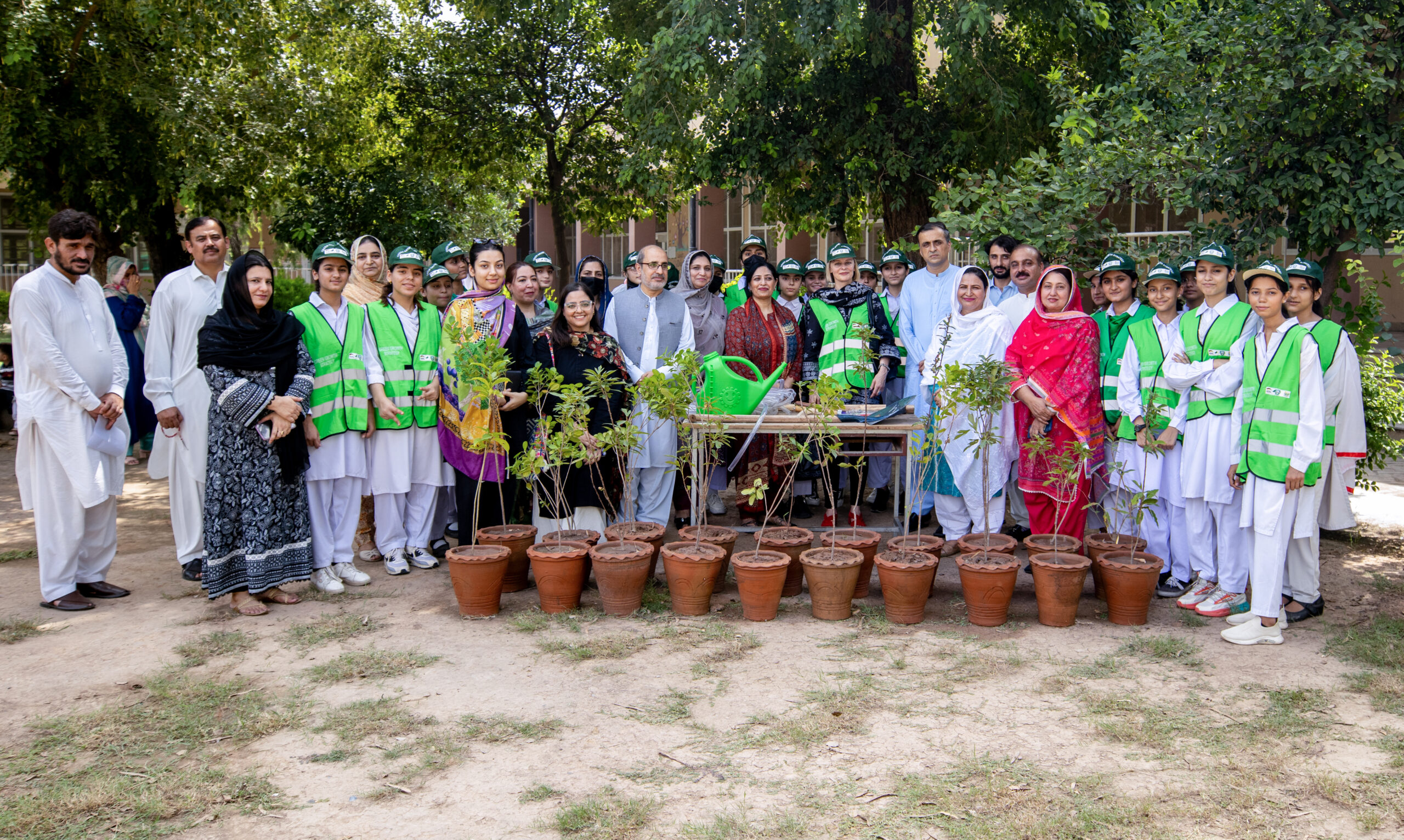
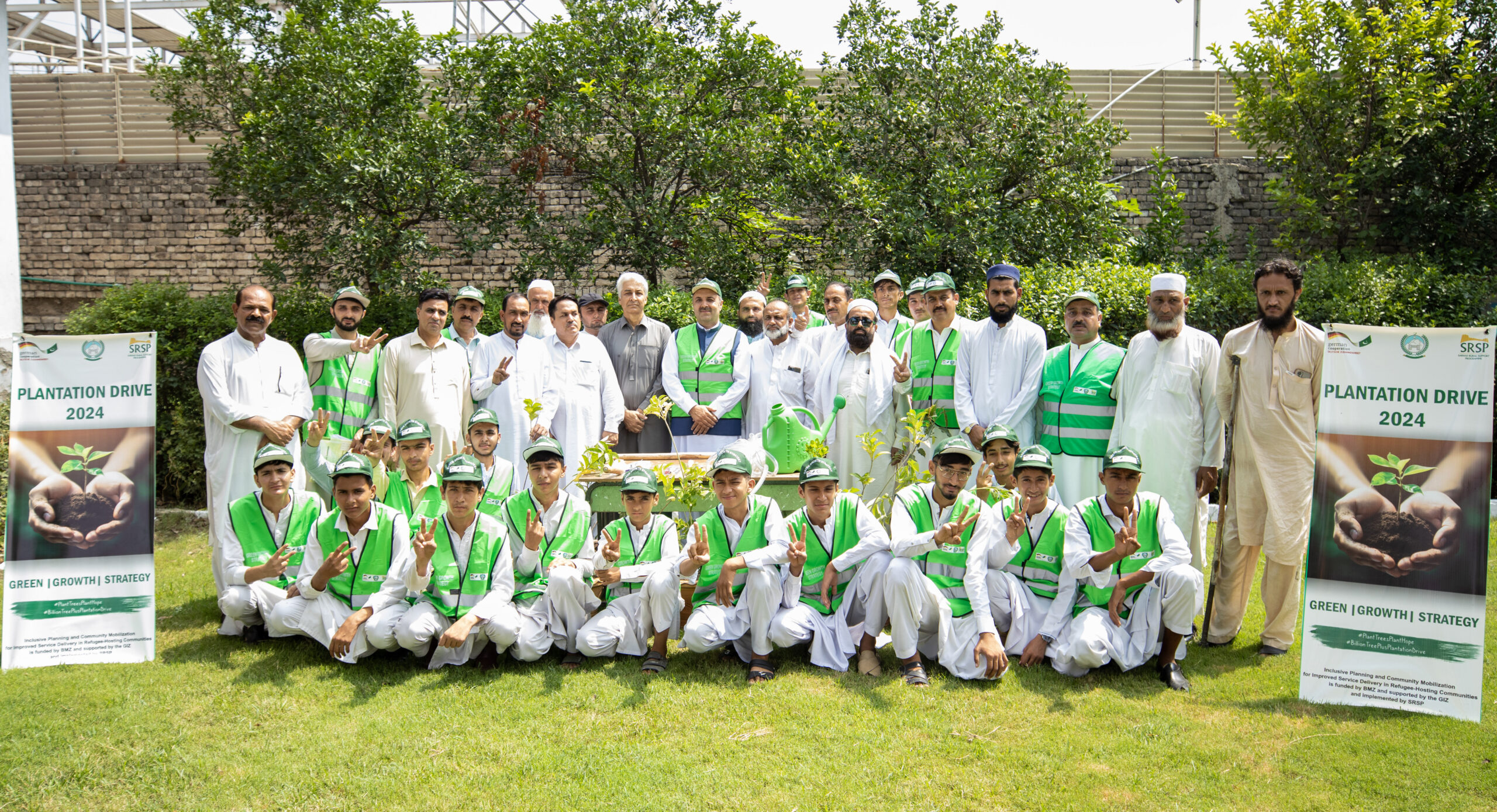
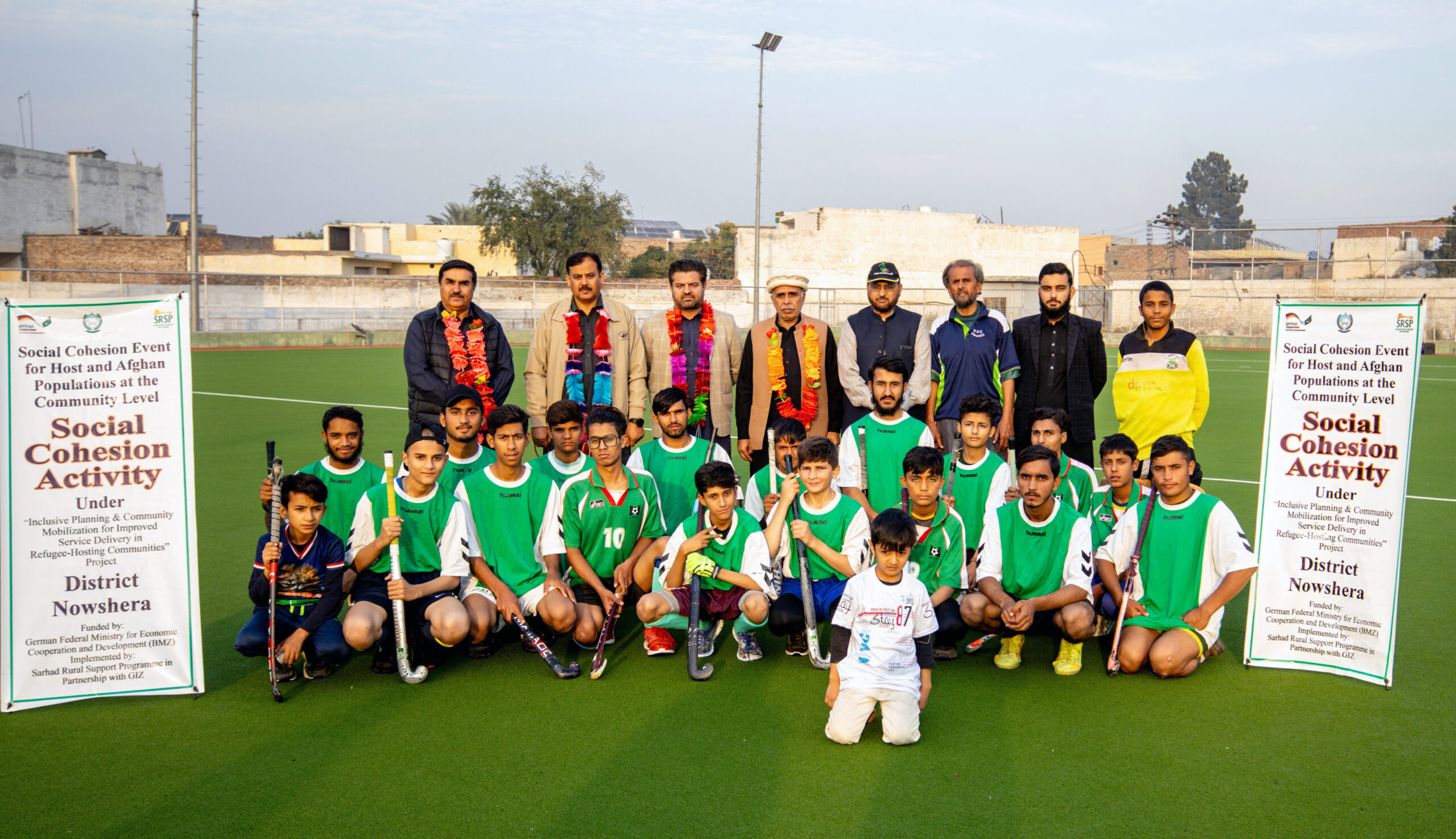
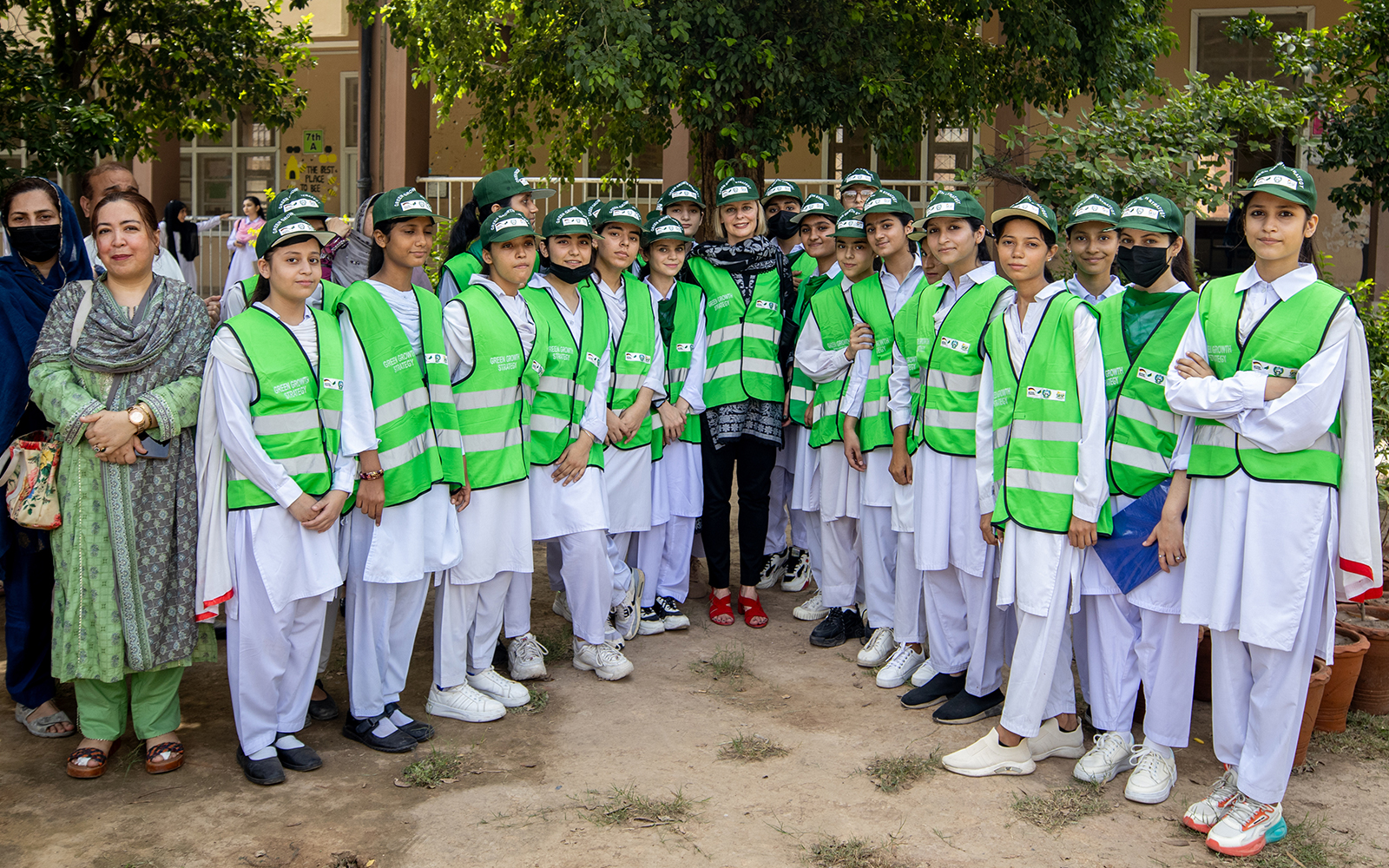
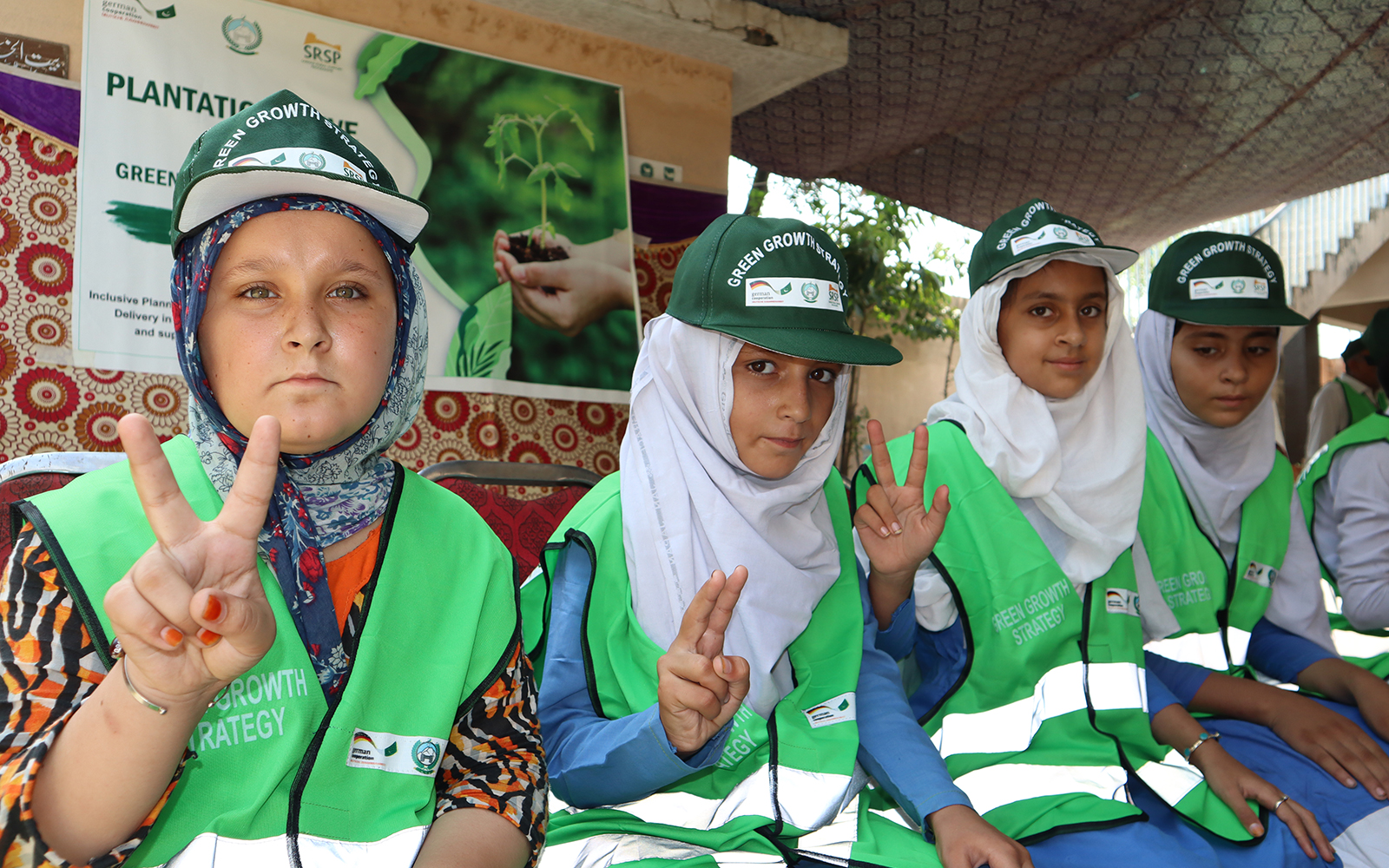
  • Green Clubs and social cohesion activities promoted environmental awareness and inclusive learning cultures.
Health Component
  • 25 health facilities upgraded to be inclusive and accessible.
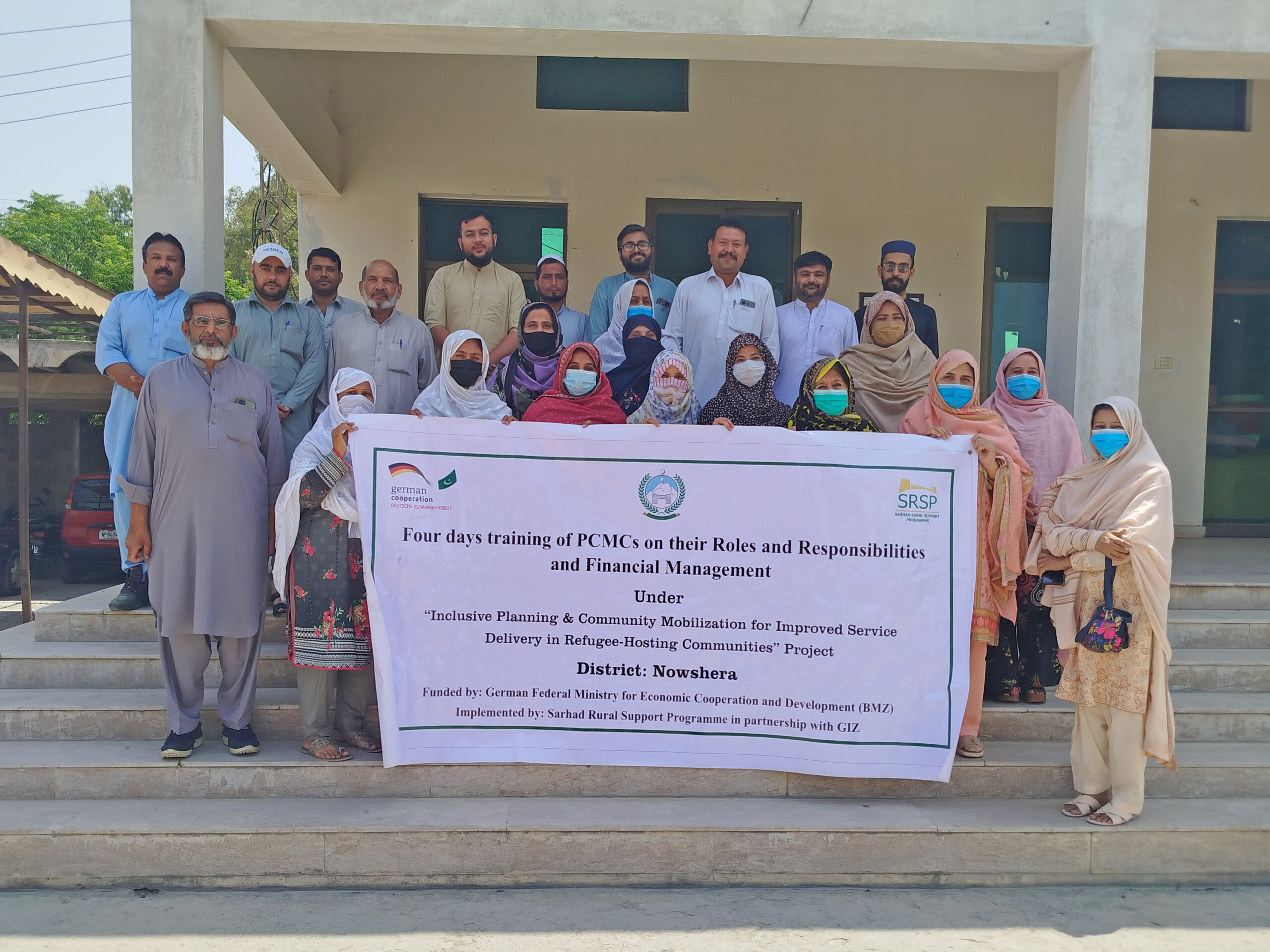
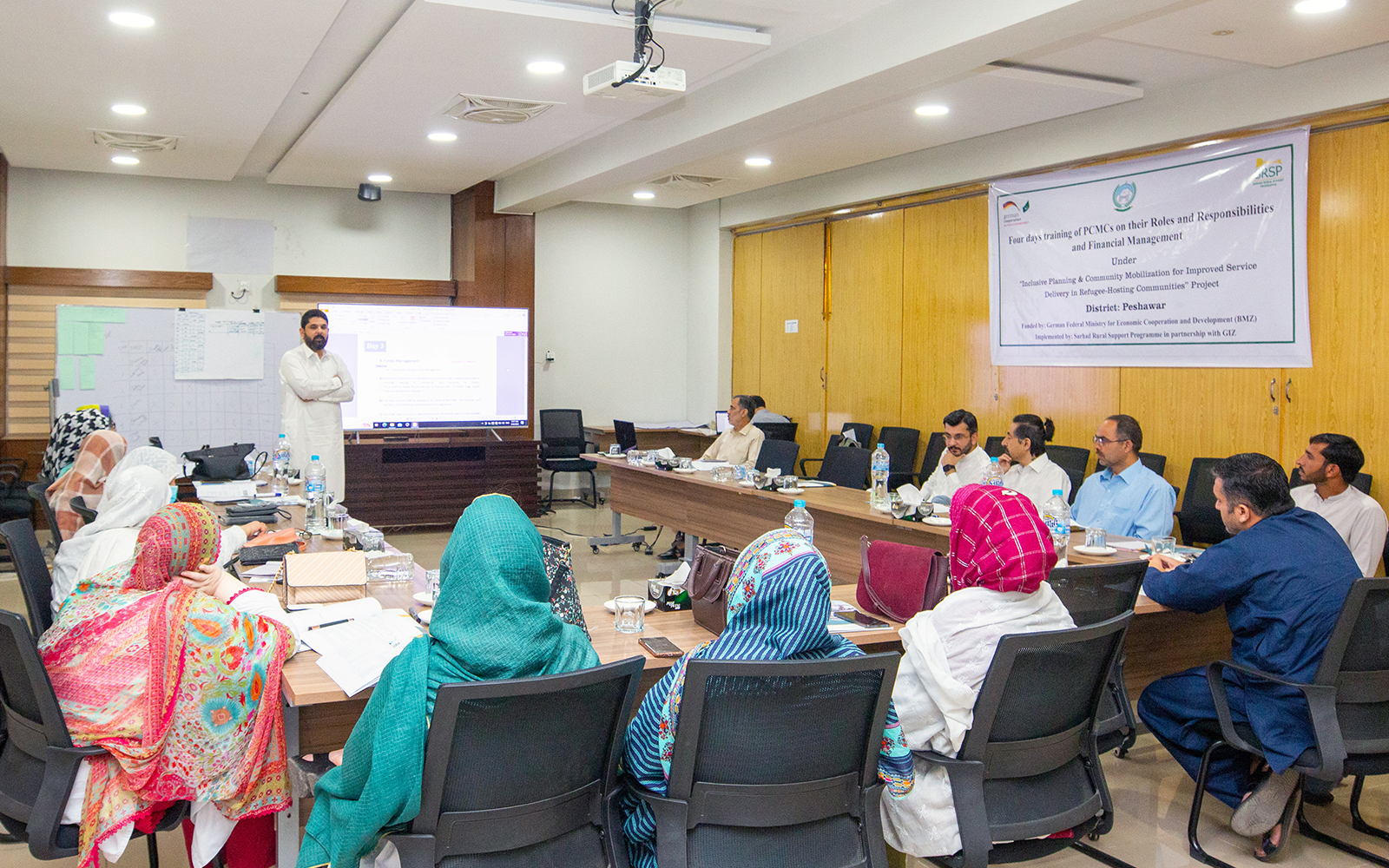
  • 25 PCMCs were established and trained to manage funds, implement Health Improvement Plans (HIPs), and sustain service delivery improvements.
  • Three Inclusive District Health Plans (I-DHPs) were developed, institutionalizing gender equality, disability inclusion, and refugee-sensitive planning within district health systems.
  • 100 community health actors were trained and mobilized to deliver awarenesssessions on MNCH, immunization, GBV prevention, hygiene, and disease prevention.
  • Regular coordination among PCMCs, URSU staff, community institutions, and local authorities strengthened accountability and service-provider linkages.
Cross-Cutting Achievements
  • Gender and disability inclusion were systematically mainstreamed across education and health interventions.
  • Schools and health facilities were upgraded to ensure safe and dignified access for women, girls, persons with disabilities, and Afghan families.
  • Governance actors including PTCs, PCMCs, education officials, and URSU staff were capacitated to ensure marginalized groups were represented in decision-making.
  • Institutional coordination was strengthened with the Commissionerate for Afghan Refugees (CAR), Education and Health Departments, and Urban Refugee Support Units (URSUs), enhancing sustainability beyond the project period.

Impract

The EHS Project (Phase II) significantly strengthened inclusive governance and improved access to quality education and health services in refugee-hosting communities of Khyber Pakhtunkhwa. By embedding equity-focused planning within community institutions and public systems, the project contributed to more inclusive, accountable, and sustainable service delivery, ensuring that women, refugees, and persons with disabilities had a stronger voice in shaping services that affect their lives.
Project gallery