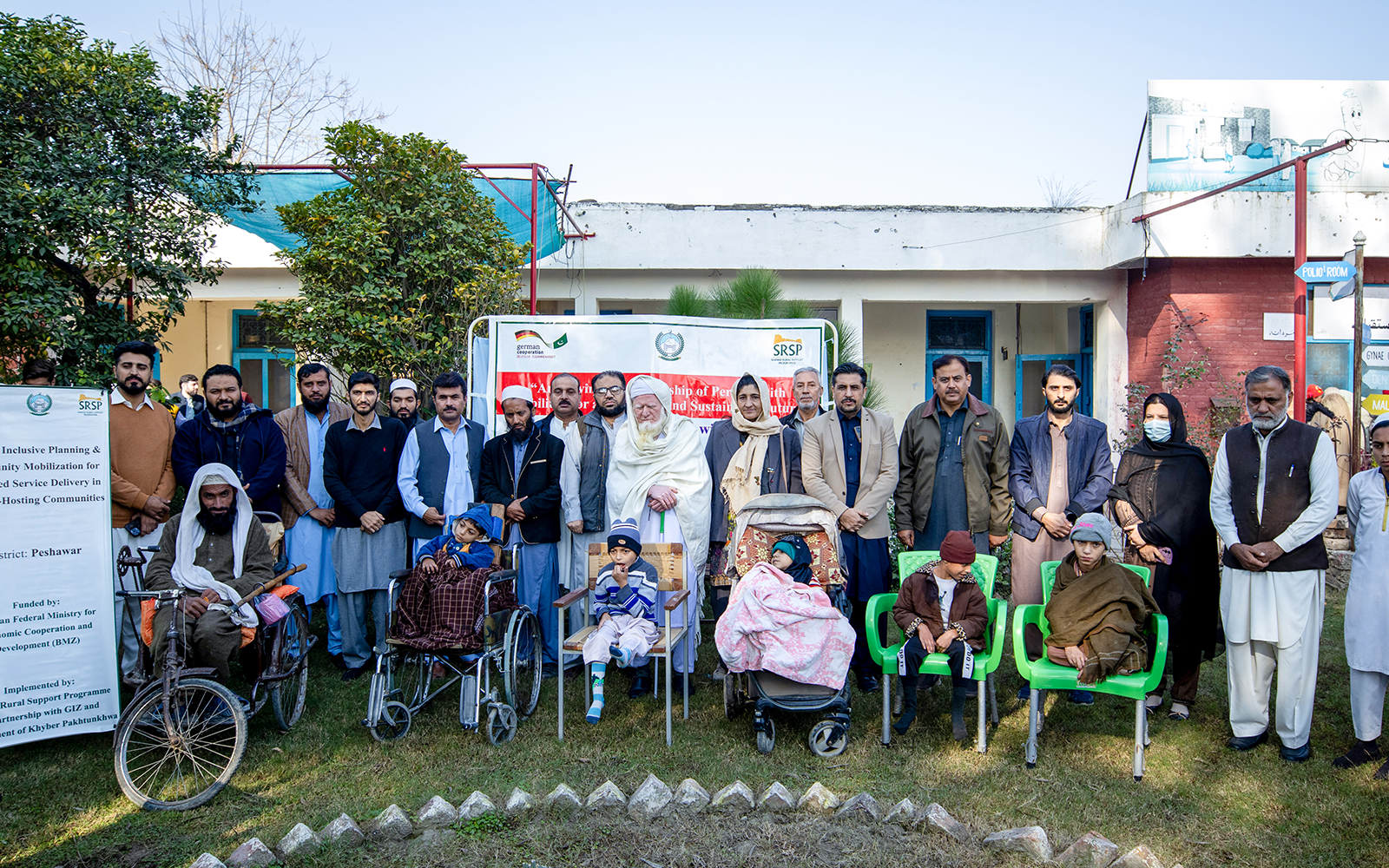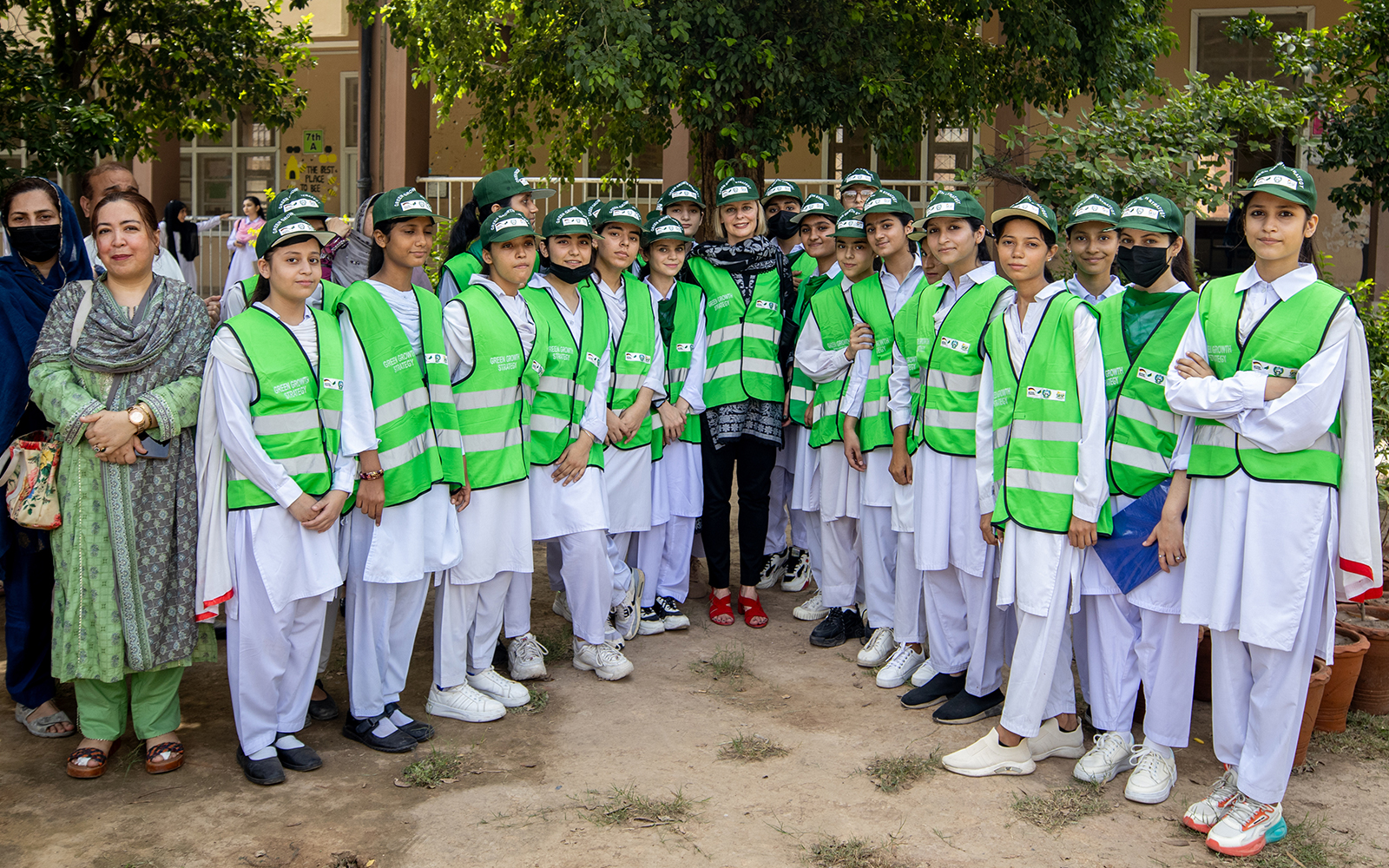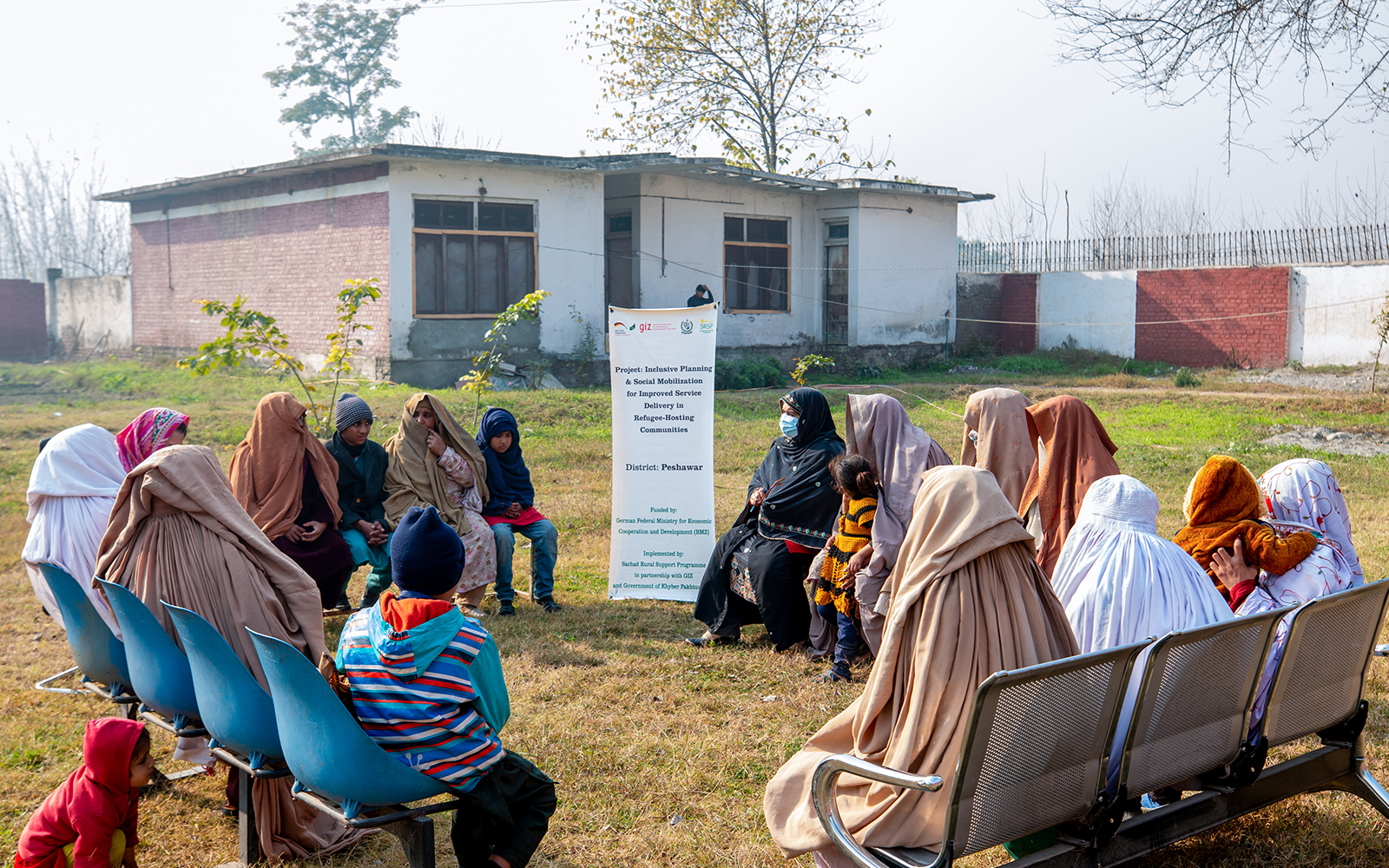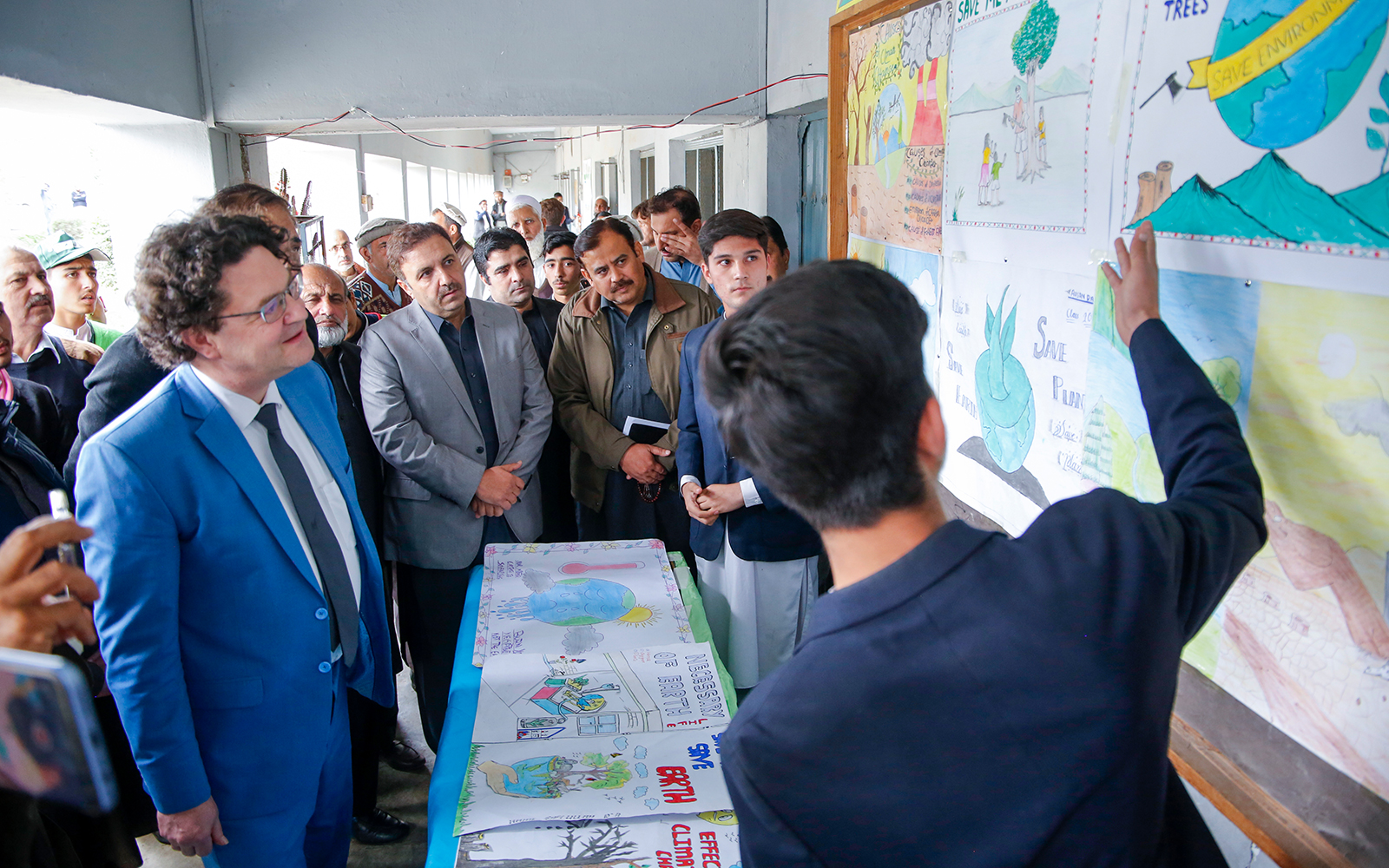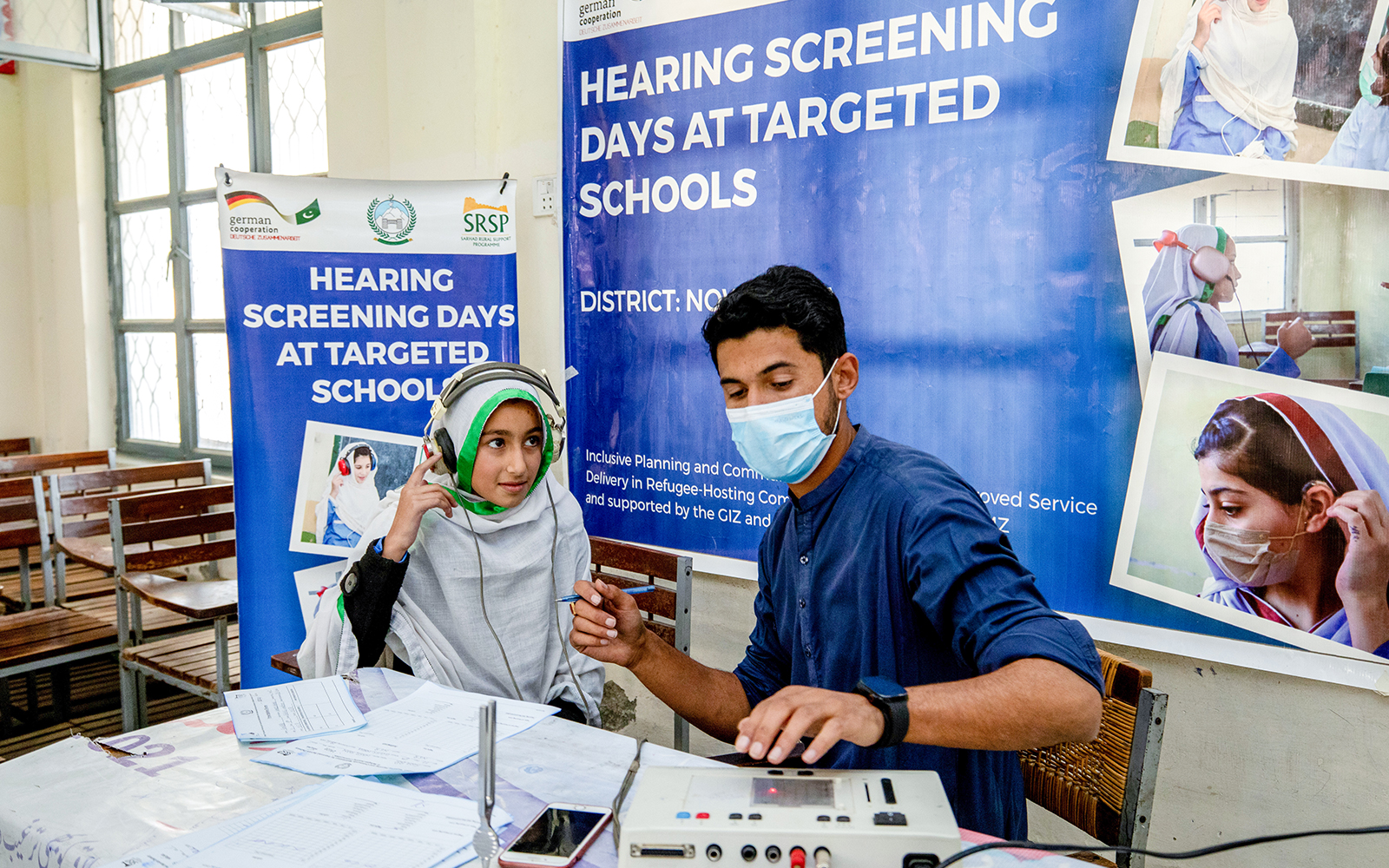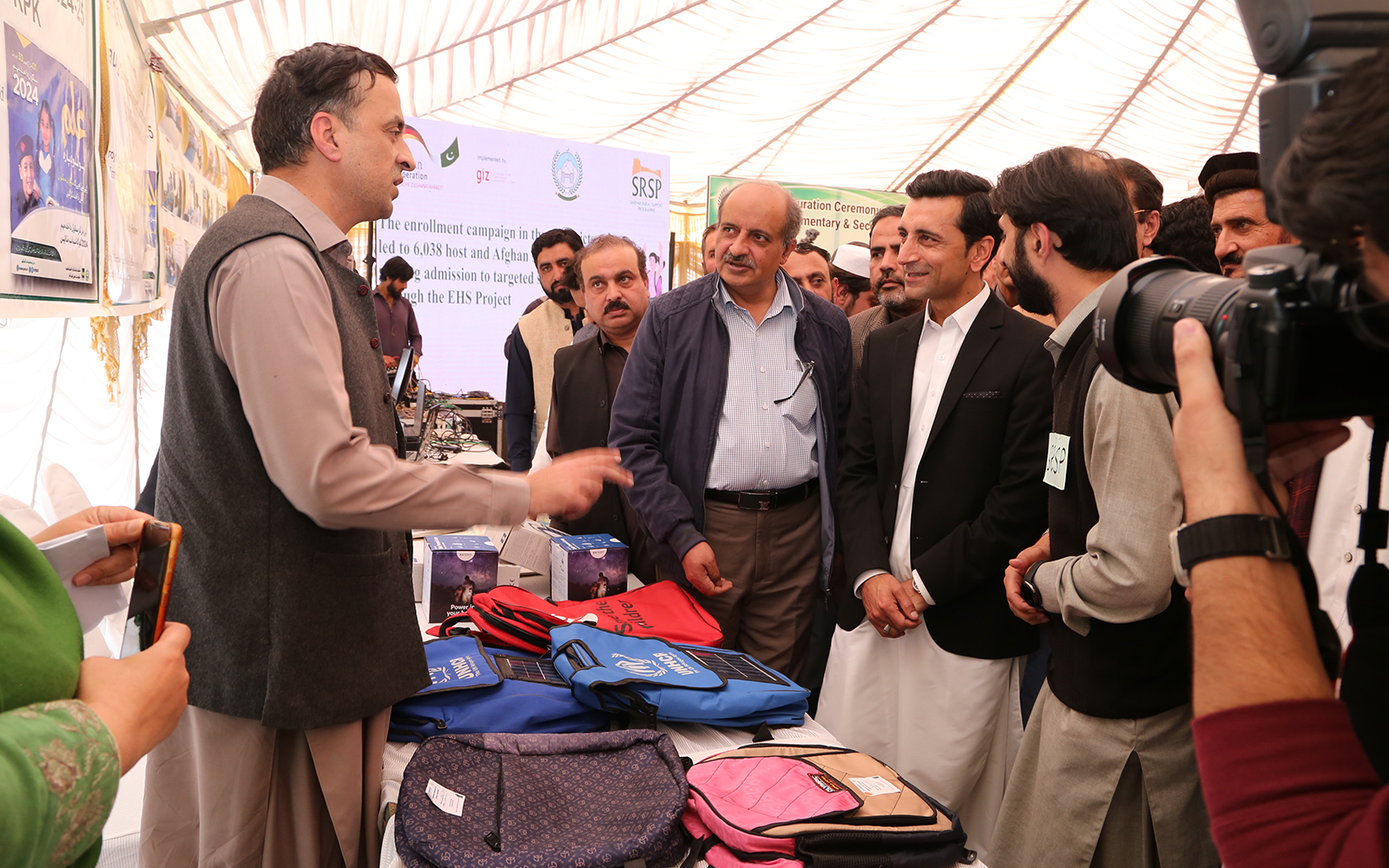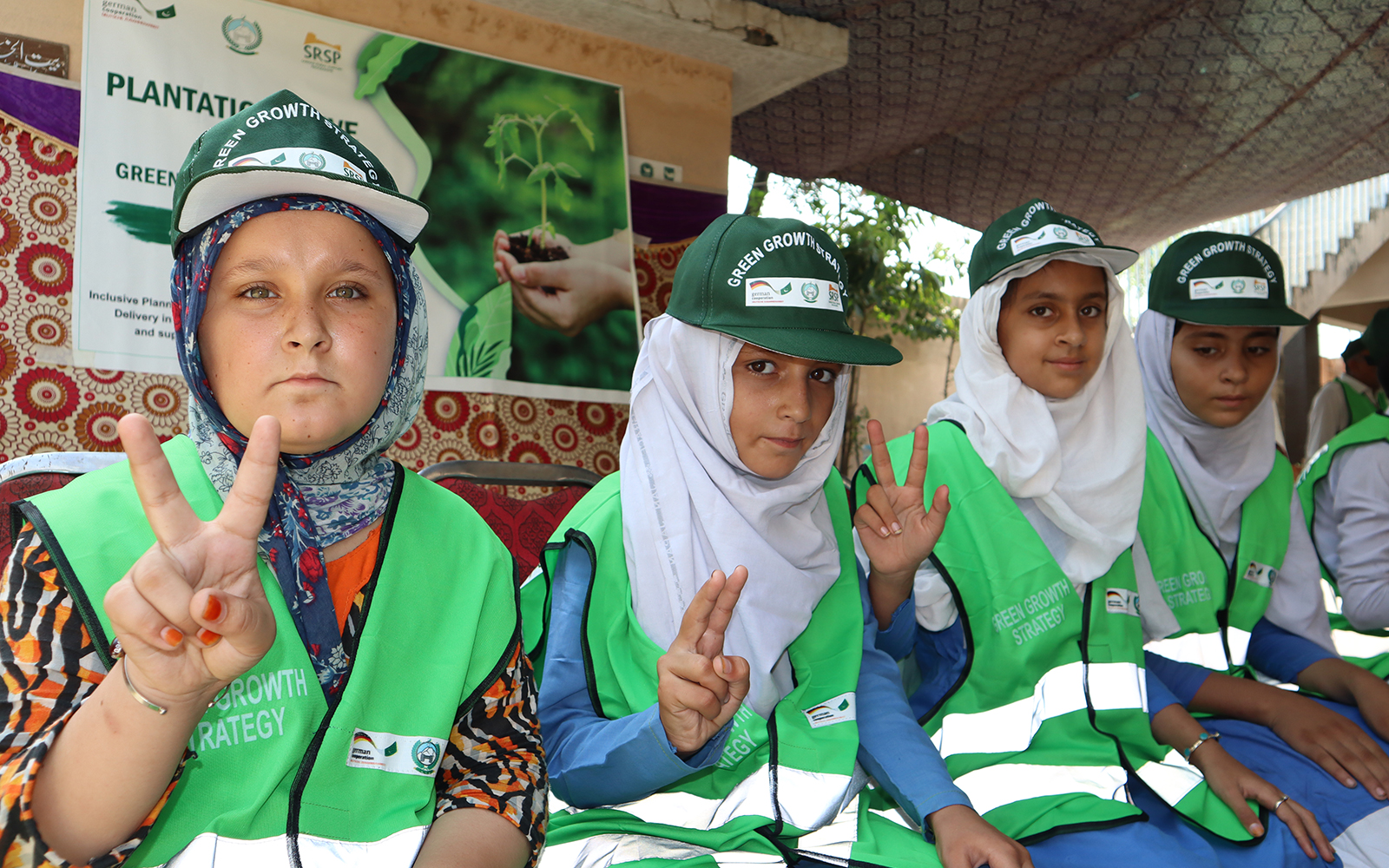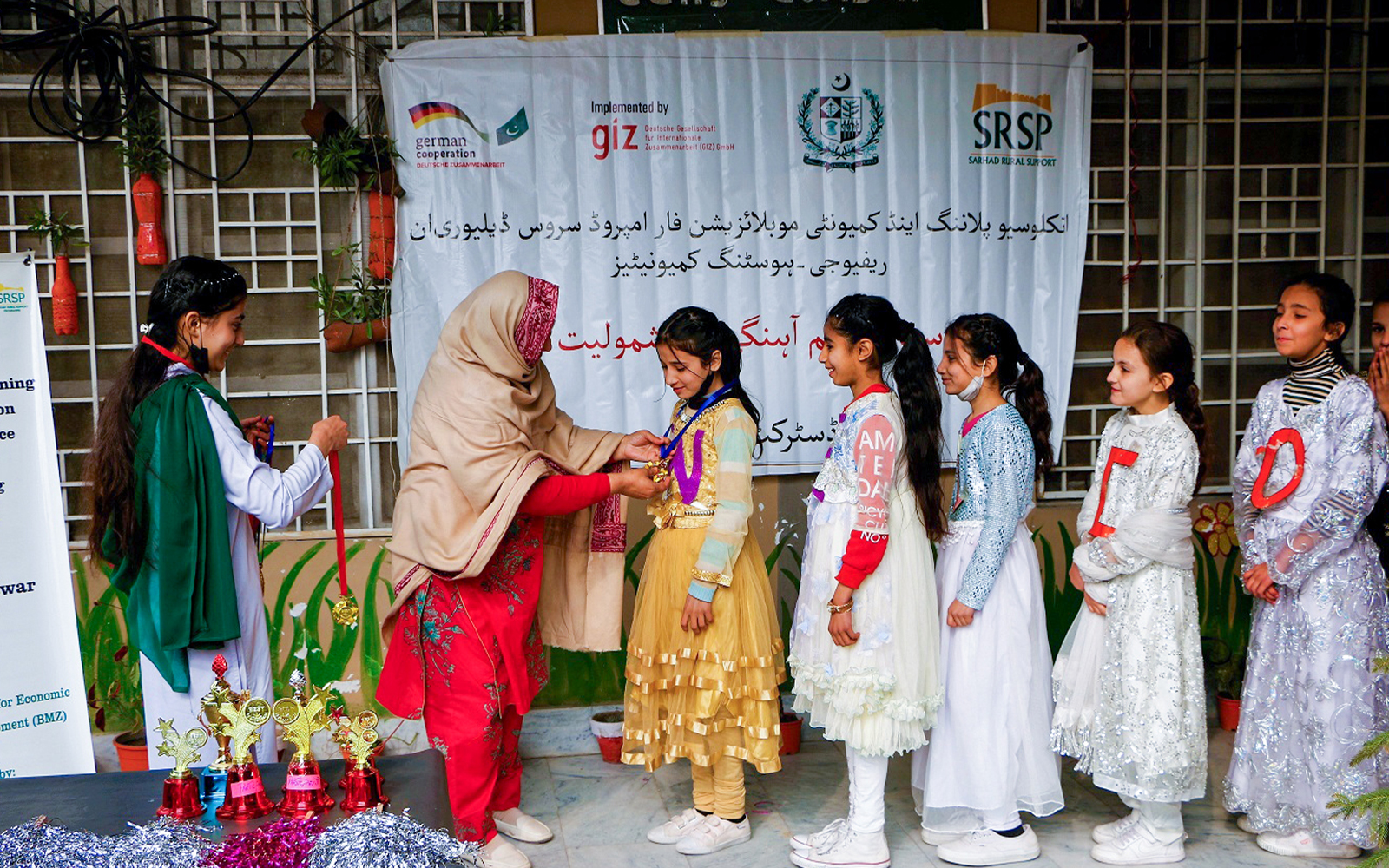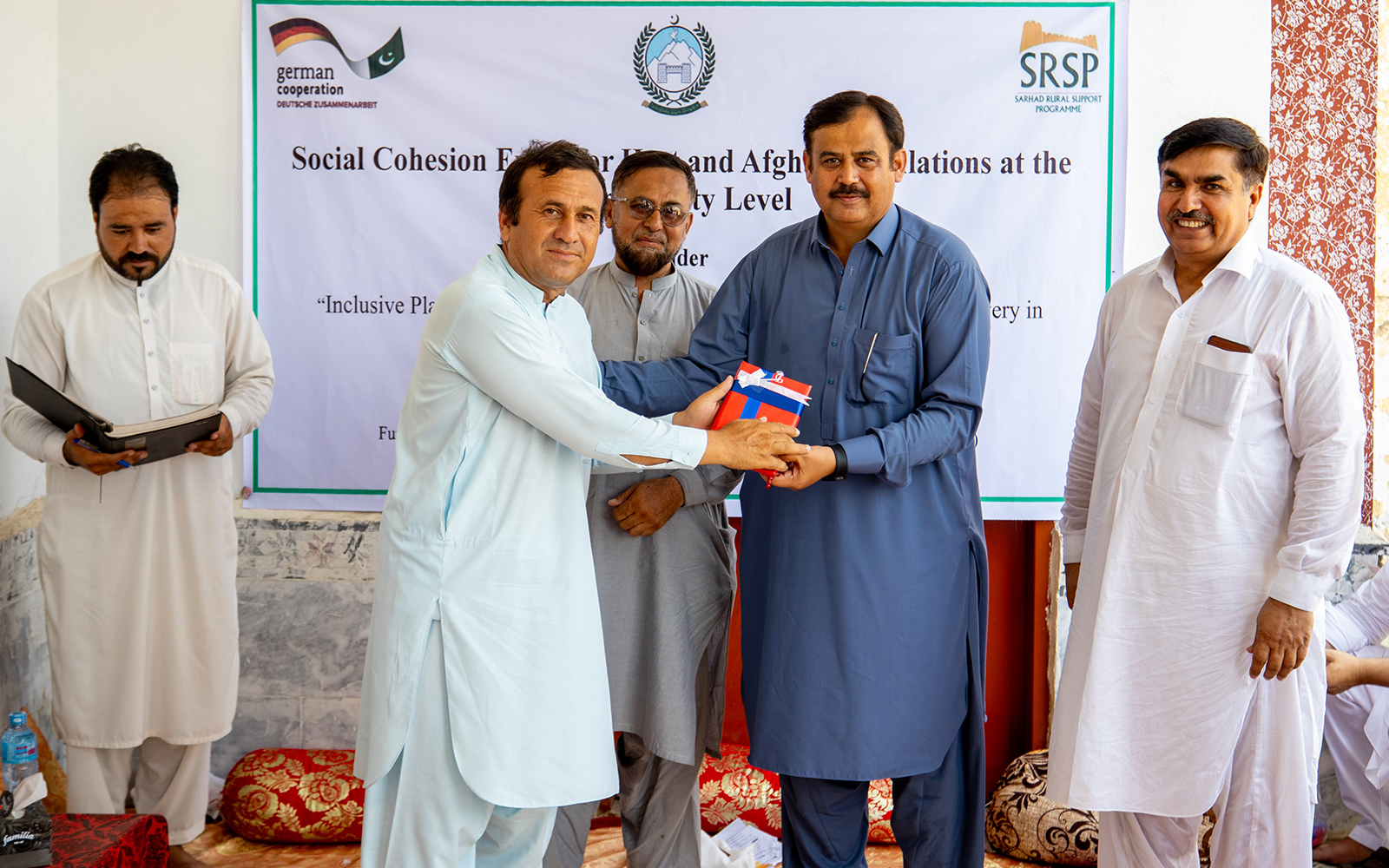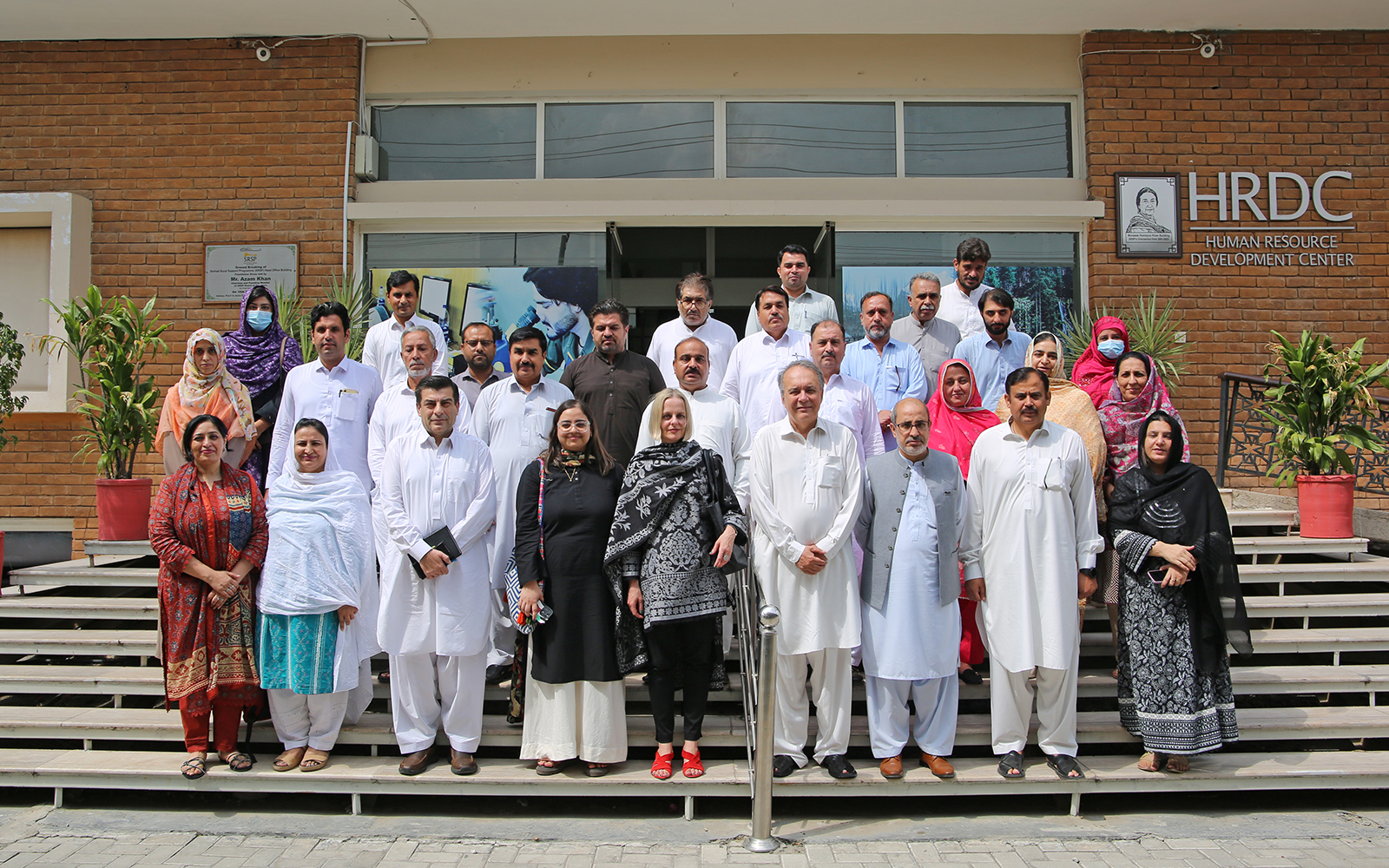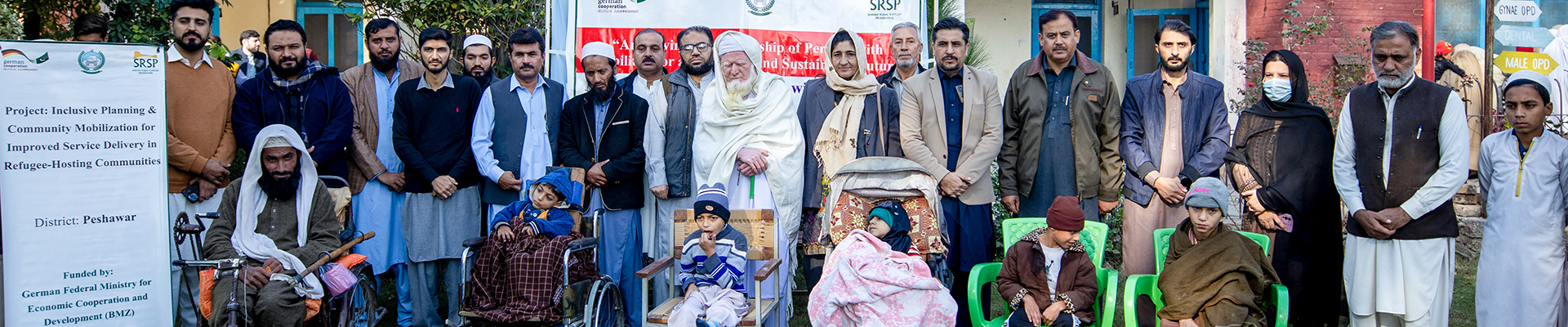

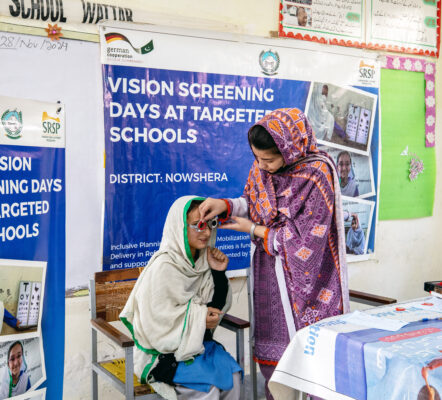
The Sarhad Rural Support Programme (SRSP), in collaboration with Deutsche Gesellschaft für Internationale Zusammenarbeit (GIZ) and funded by the German Federal Ministry for Economic Cooperation and Development (BMZ), successfully implemented the Education and Health Services (EHS) Project – Phase II in refugee-hosting communities of Khyber Pakhtunkhwa.
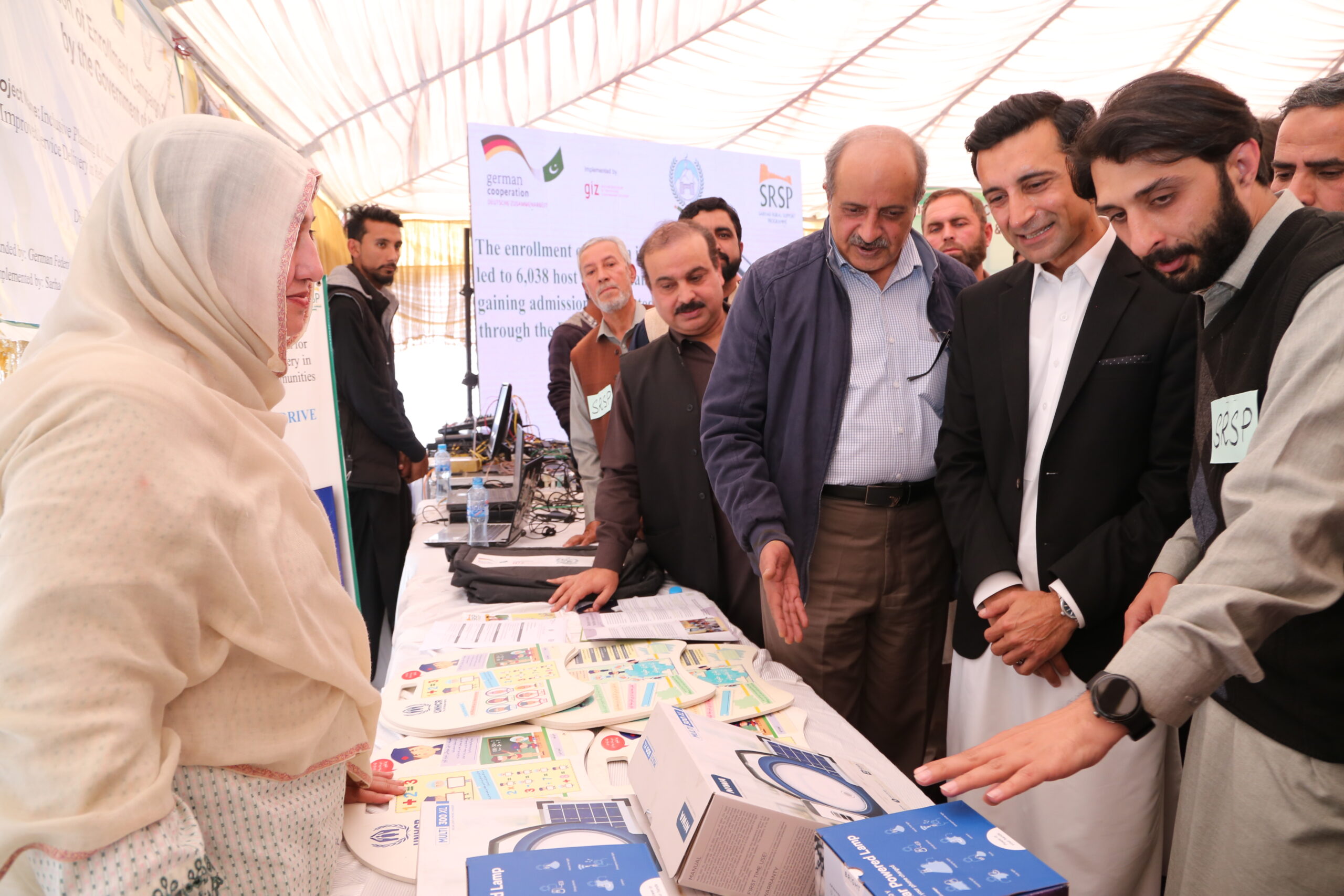
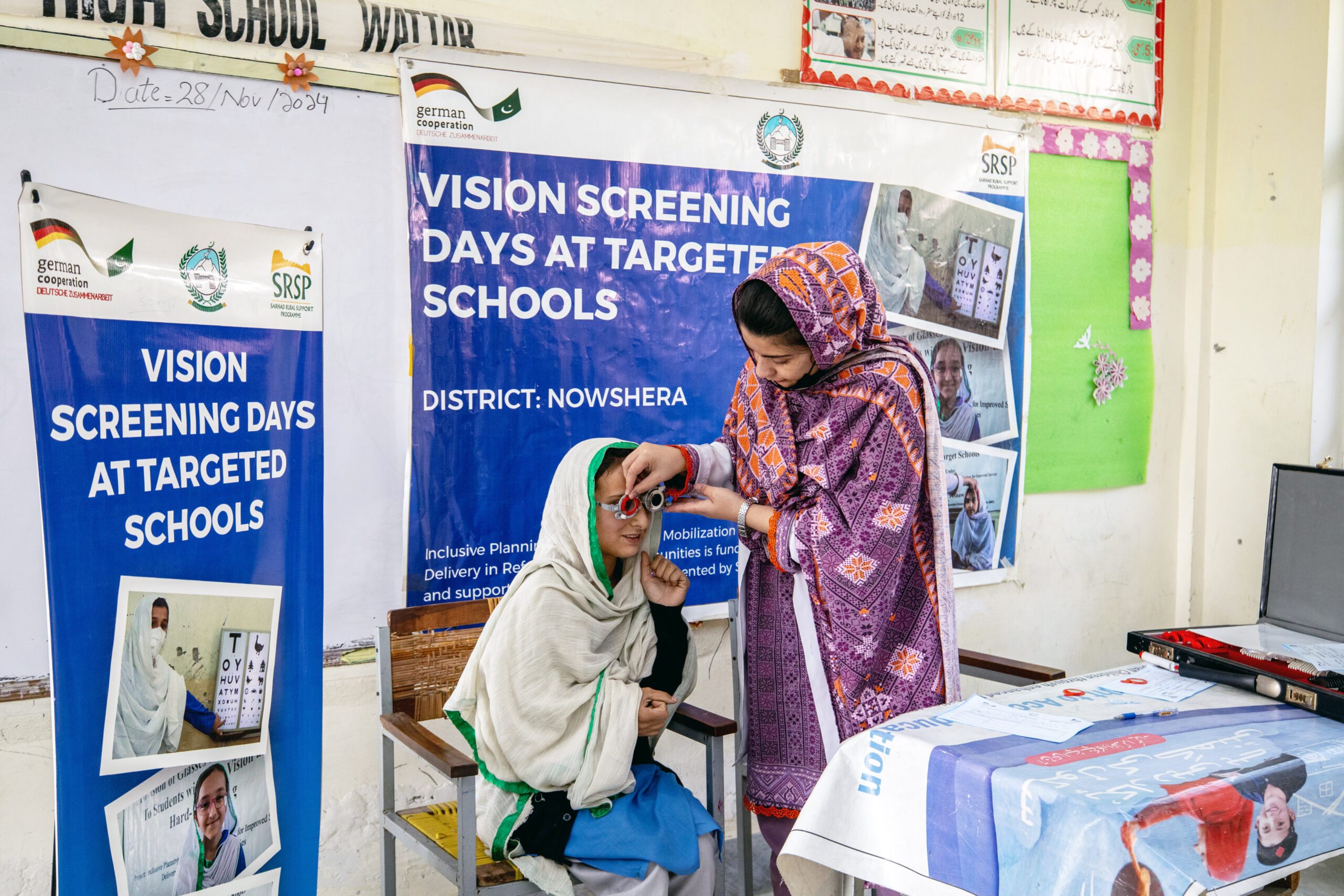
The project aimed to improve equitable access to quality education and healthcare for Afghan refugees and host communities by strengthening inclusive governance systems, upgrading public facilities, and empowering community institutions to sustainably manage and oversee service delivery reforms.
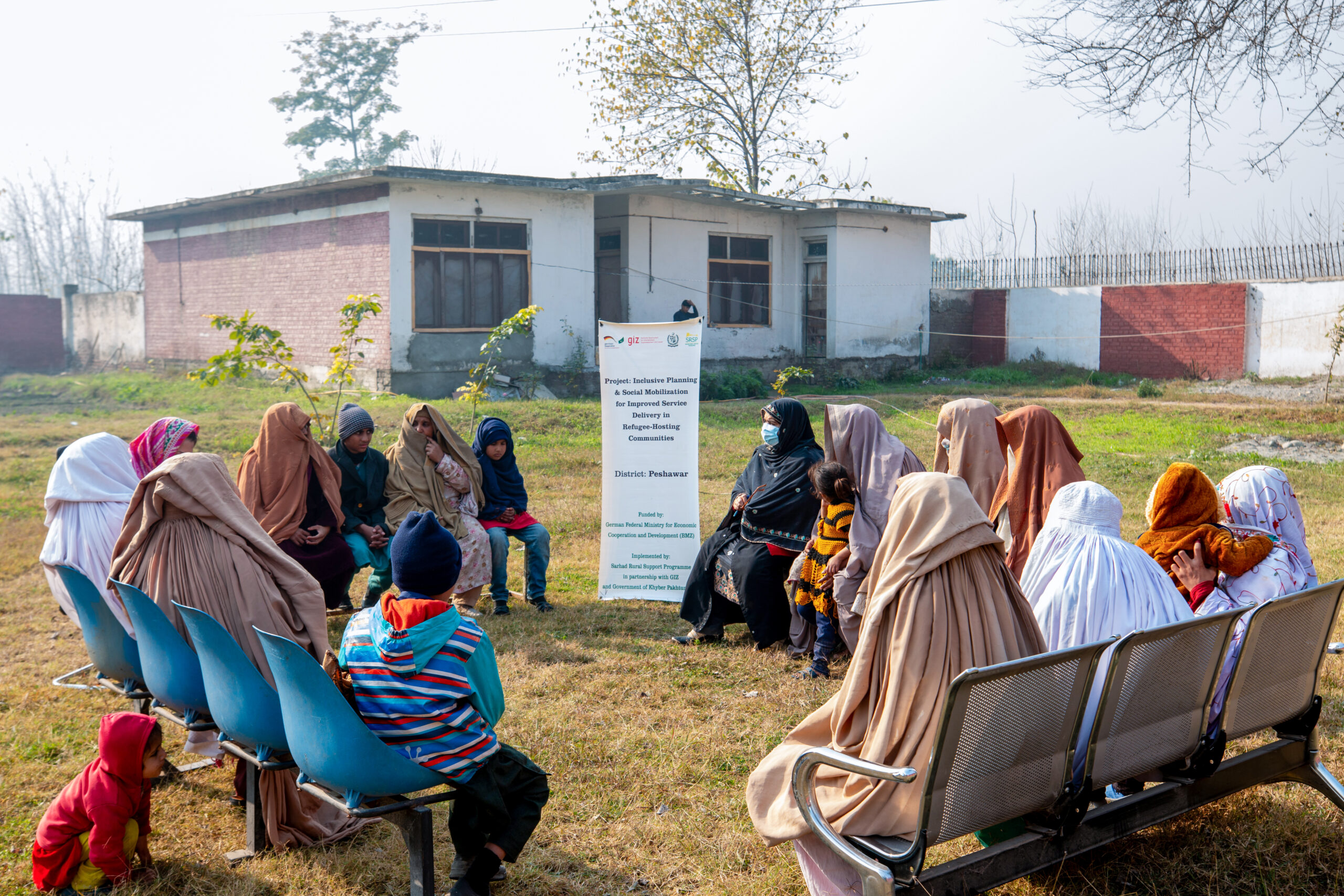
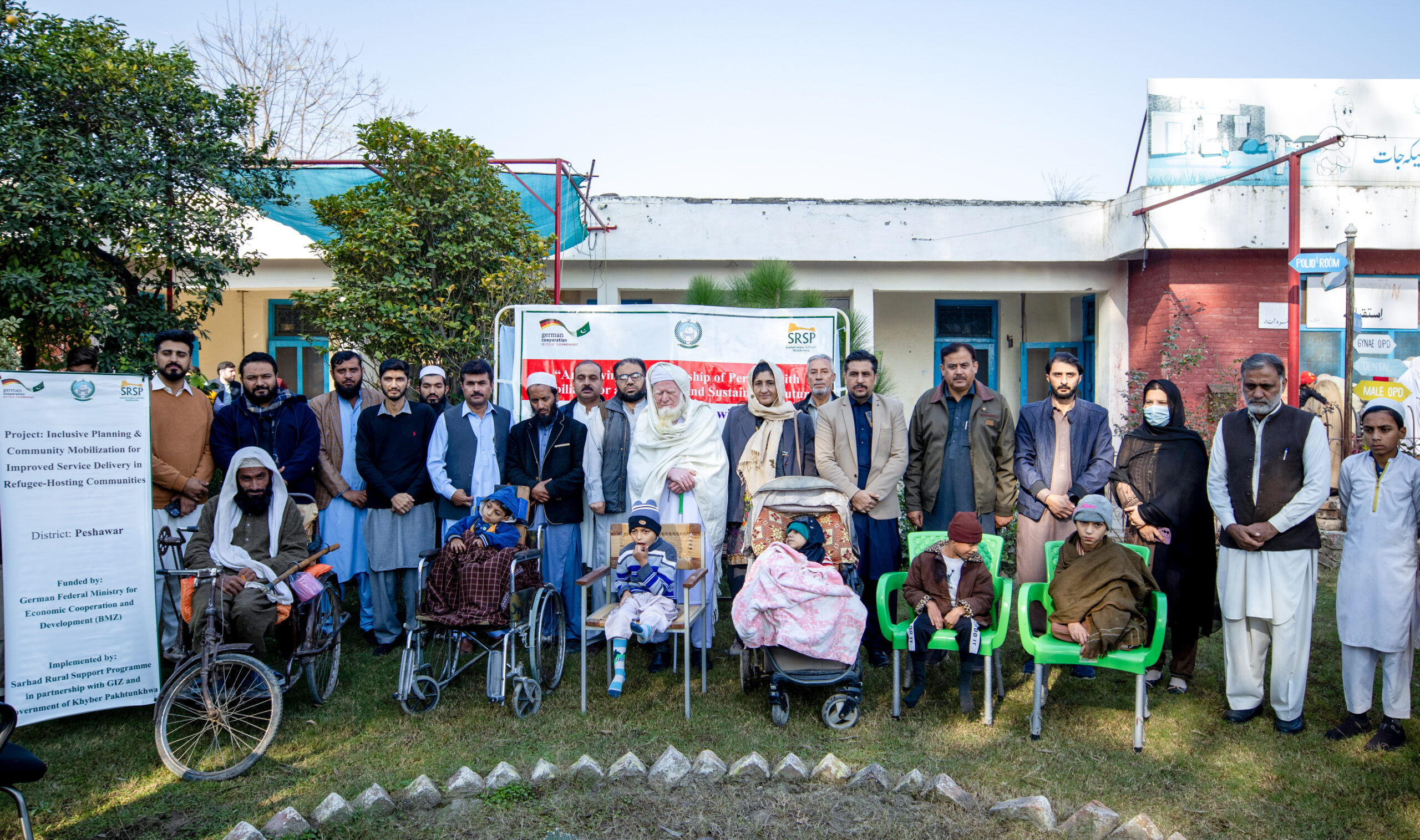
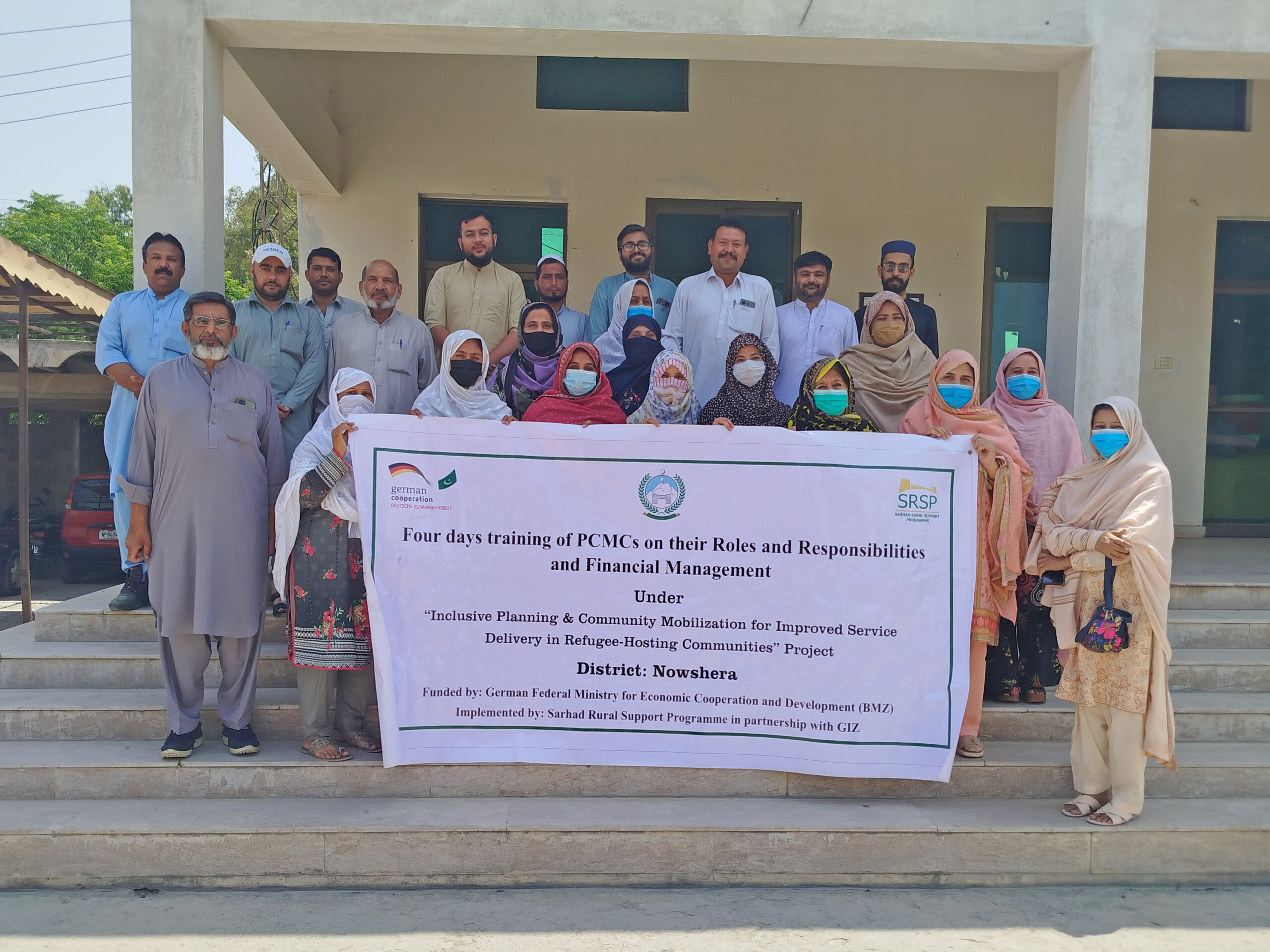
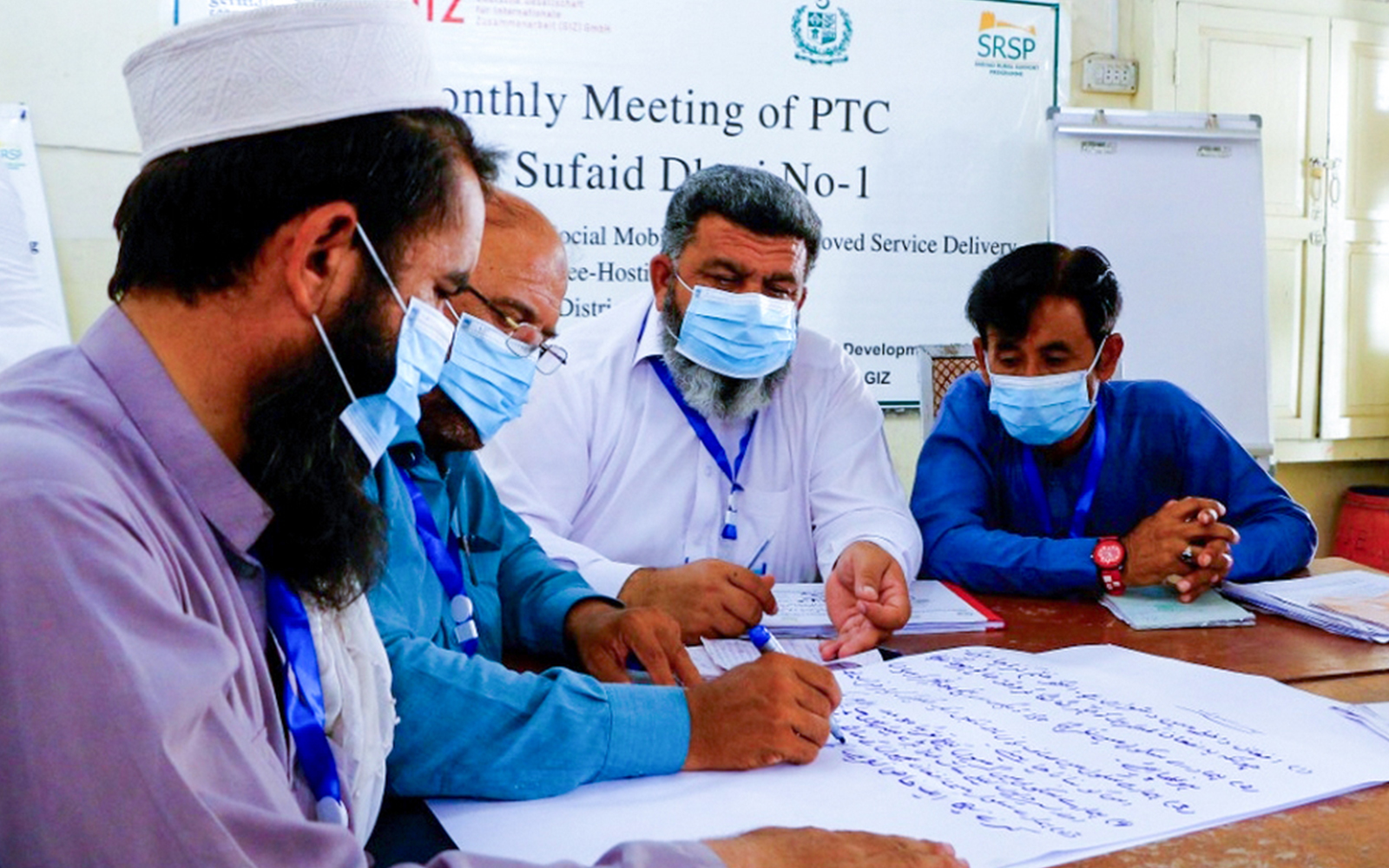
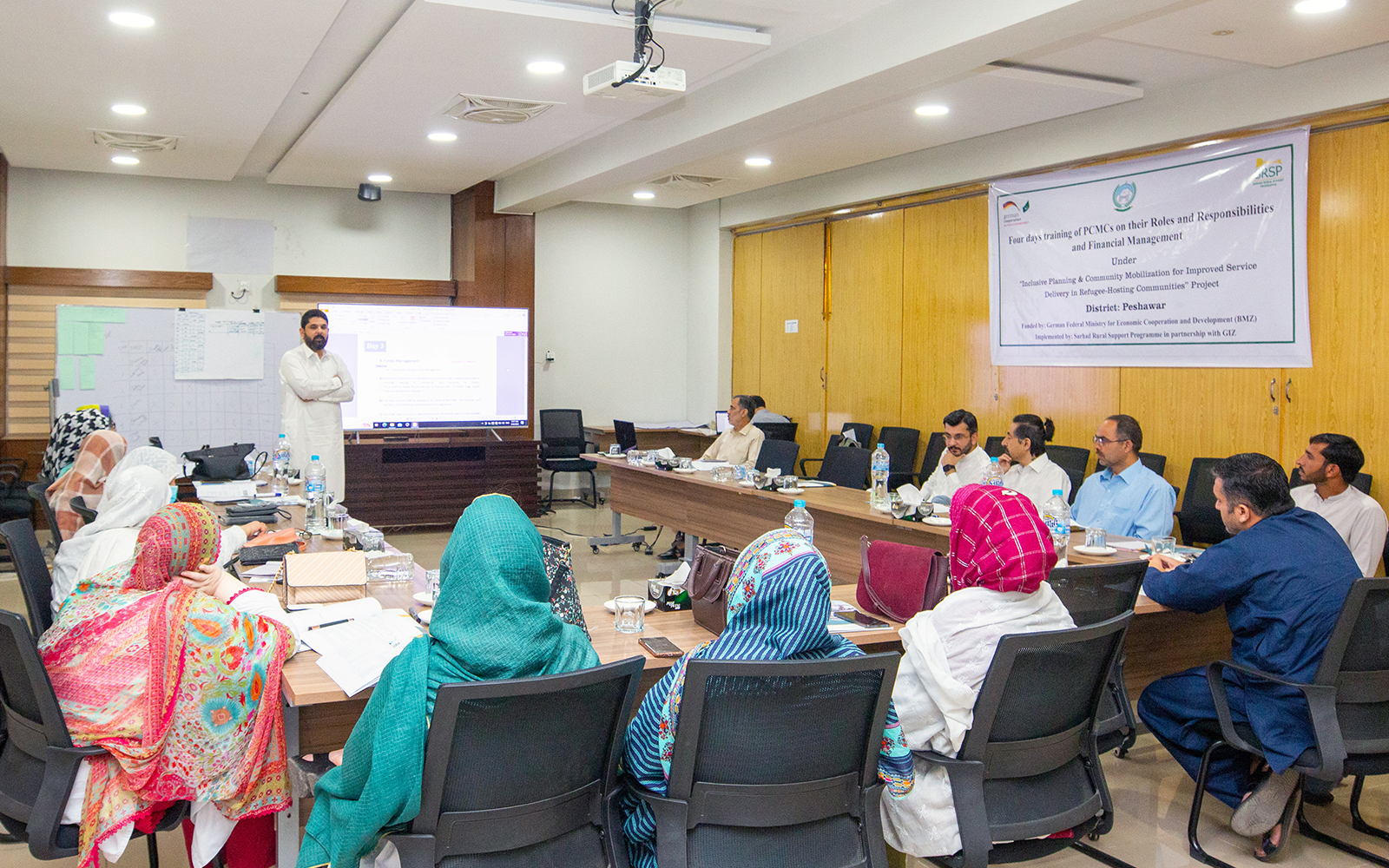
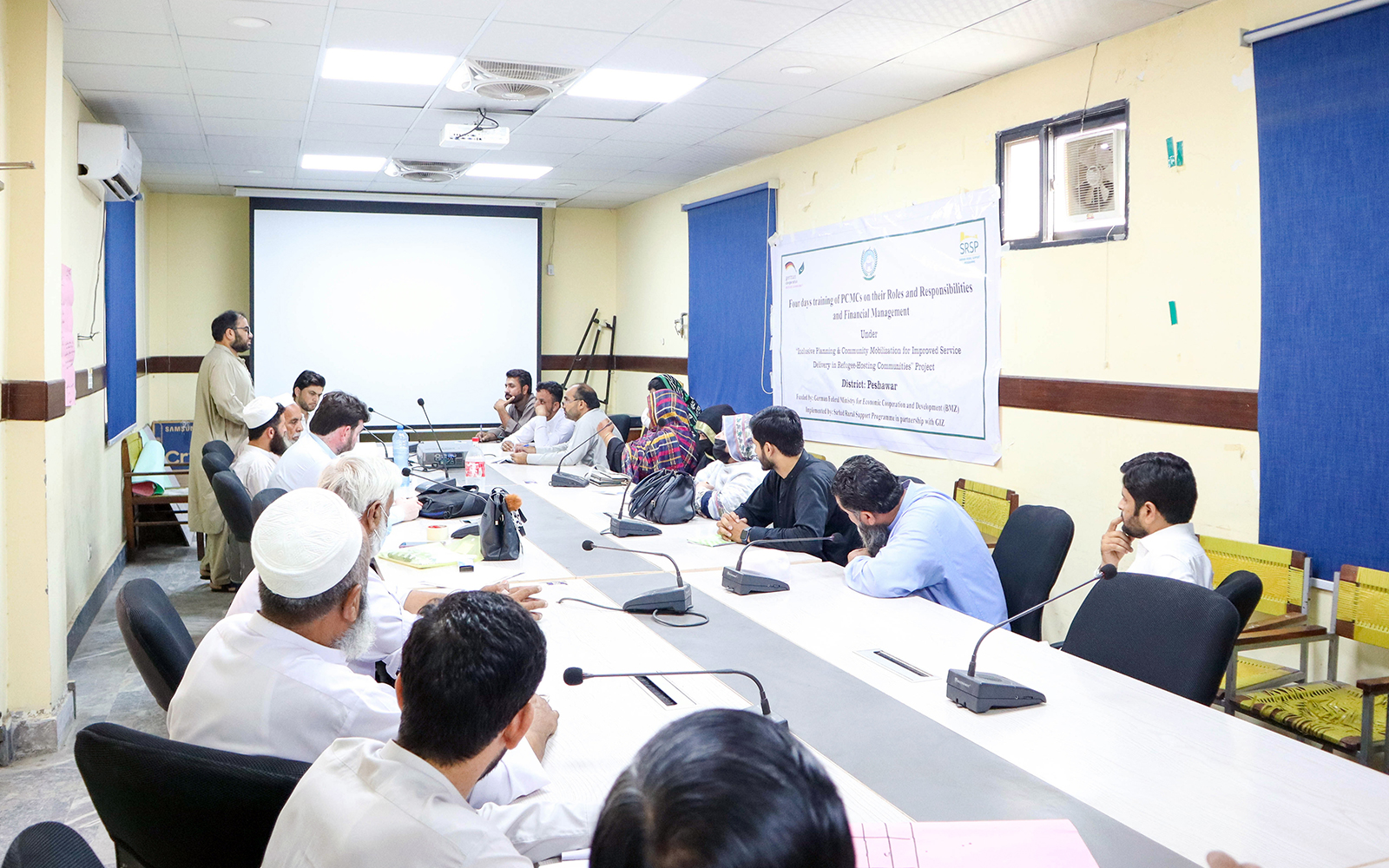
A community-driven and inclusive governance modelwas adopted, placingParent Teacher Councils (PTCs)and Primary Care Management Committees (PCMCs) at the center of planning, decision-making, and accountability. Special emphasis was placed on the meaningful participation of women, Afghan refugees, and persons with disabilities in local governance processes.
To strengthen inclusive planning and community mobilization mechanisms that improve access to quality education and health services in refugee-hosting communities, while institutionalizing gender equality, disability inclusion, and refugee-sensitive approaches within public service delivery systems.
The EHS Project (Phase II) significantly strengthened inclusive governance and improved access to quality education and health services in refugee-hosting communities of Khyber Pakhtunkhwa. By embedding equity-focused planning within community institutions and public systems, the project contributed to more inclusive, accountable, and sustainable service delivery, ensuring that women, refugees, and persons with disabilities had a stronger voice in shaping services that affect their lives.