December 2019-June 2025
Education / School Infrastructure / Community Engagement


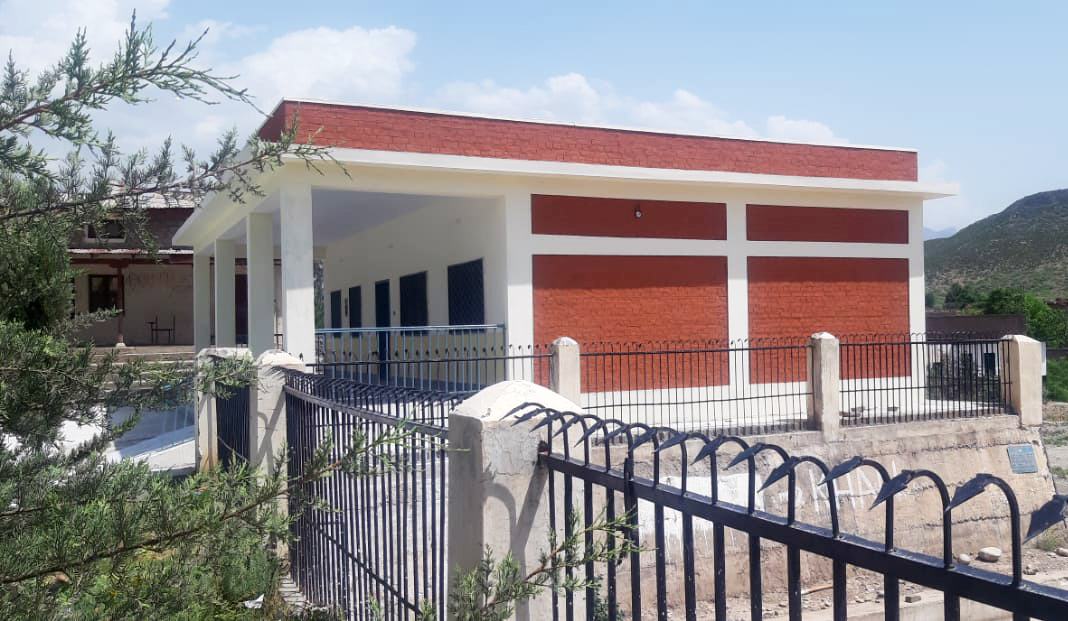
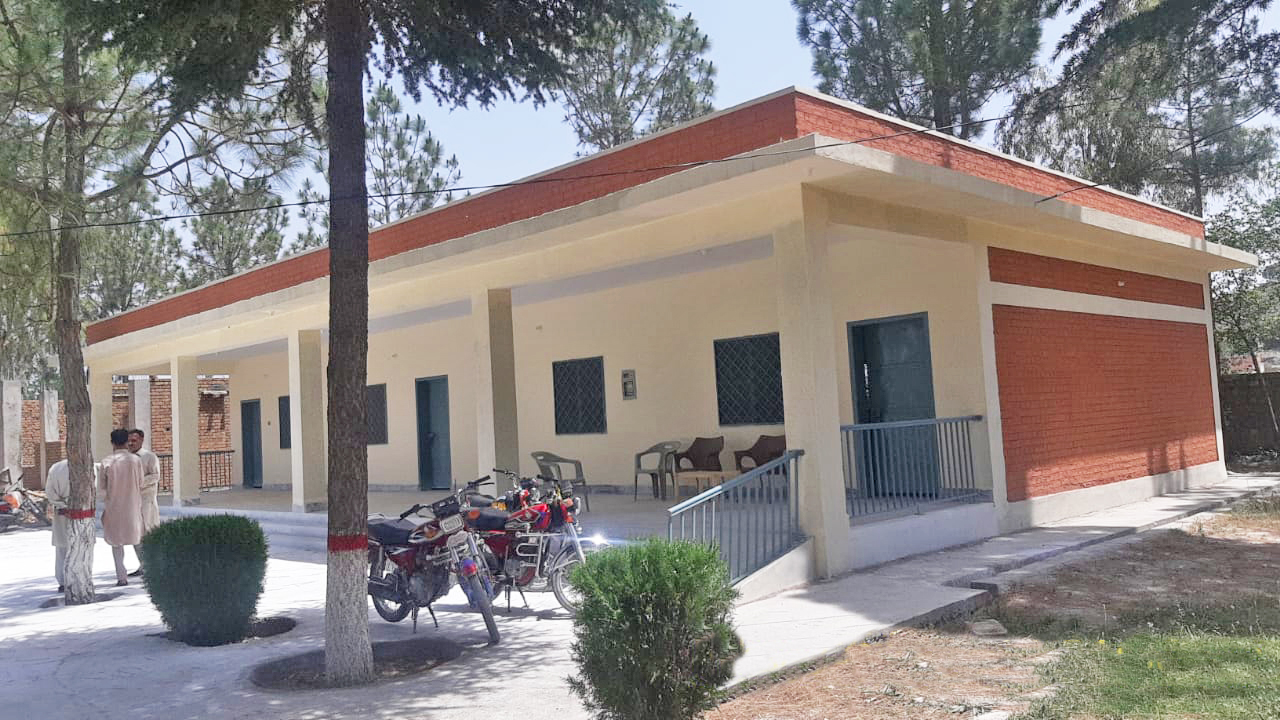
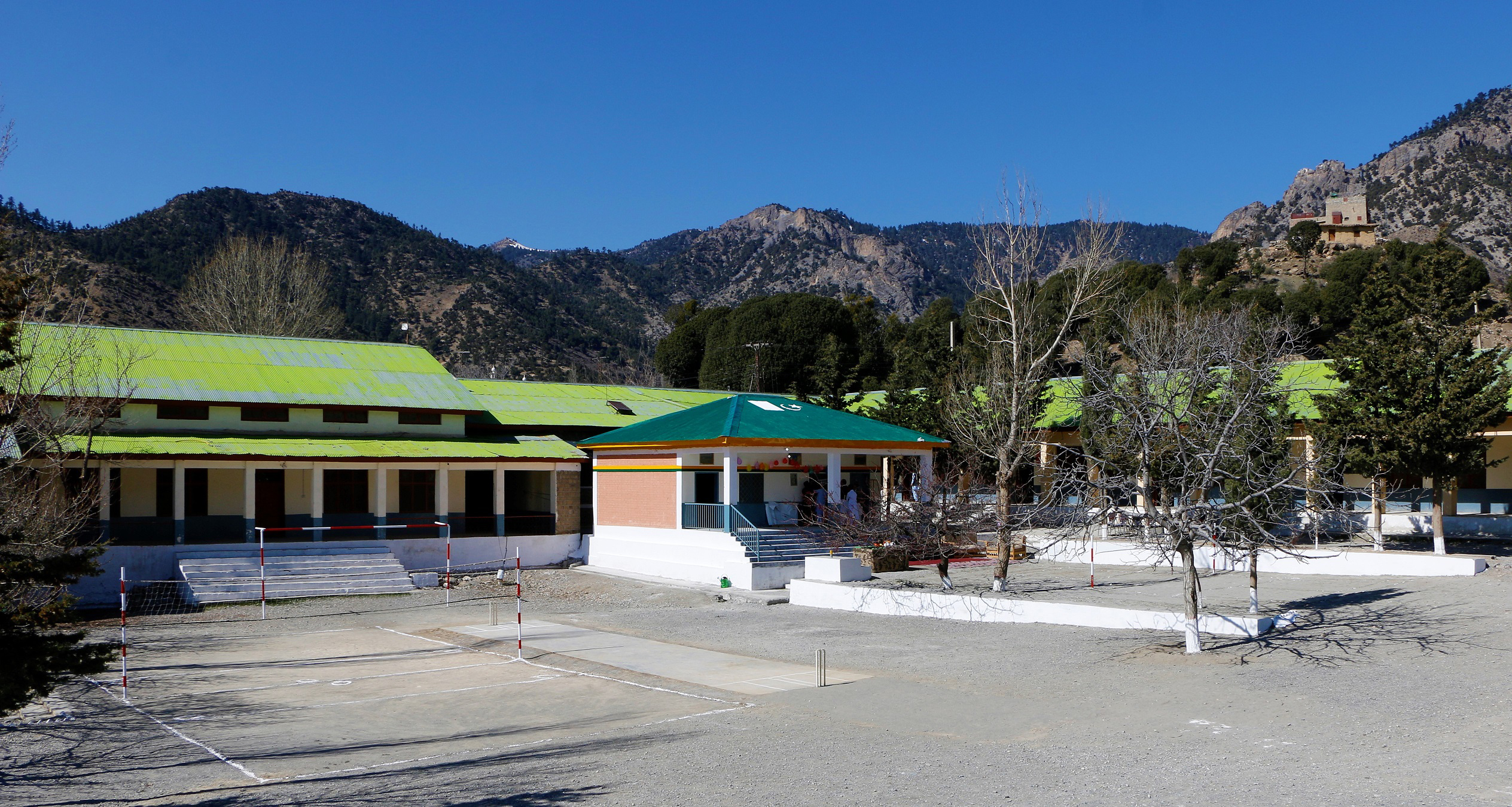
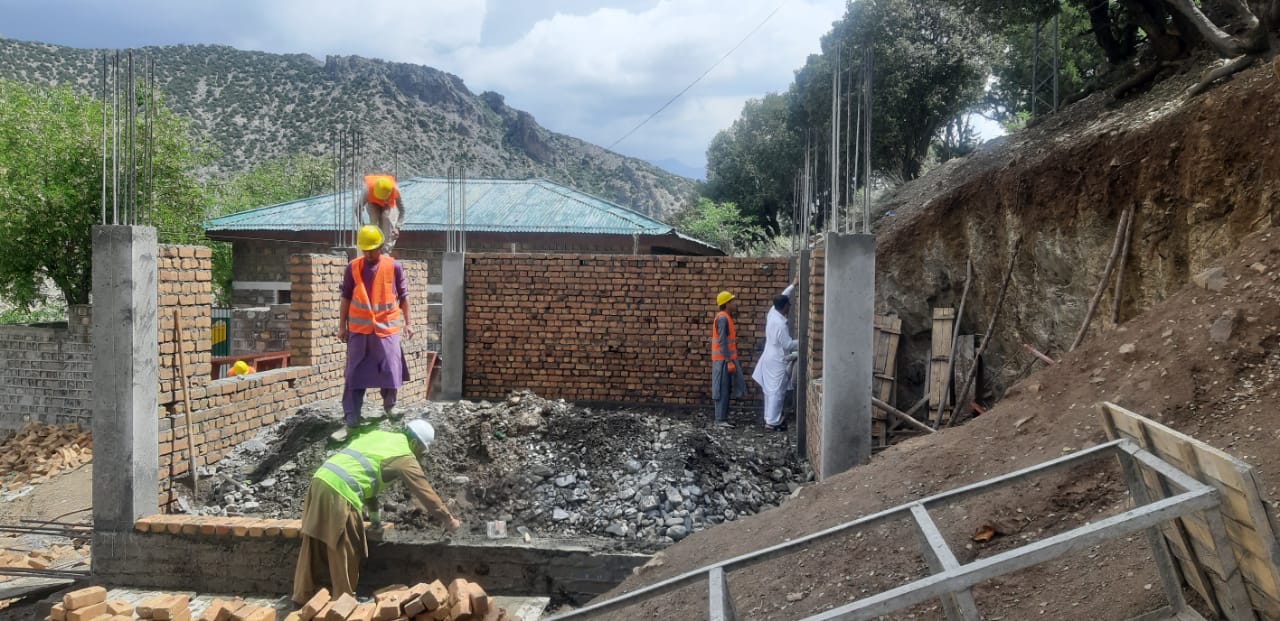
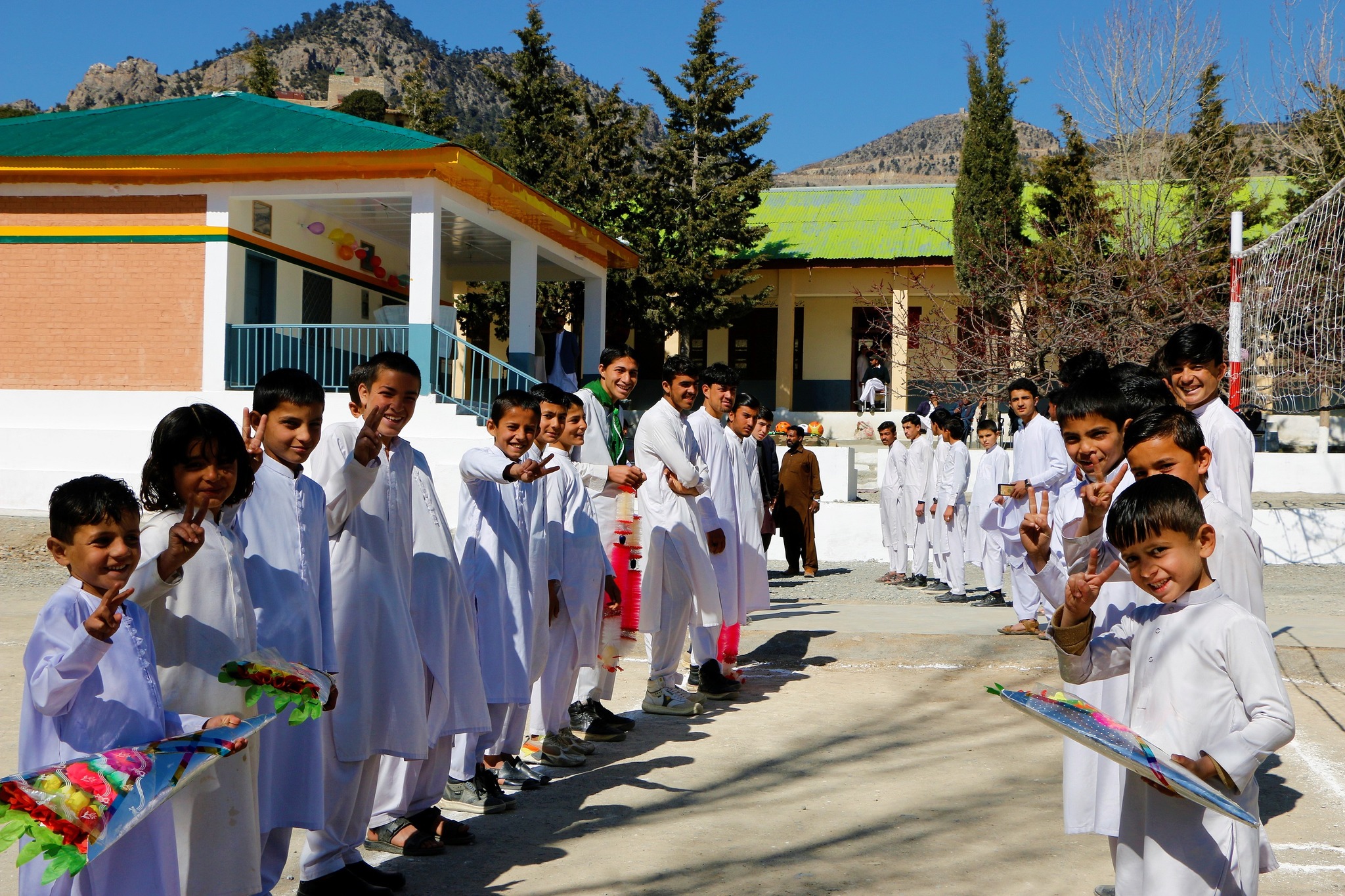
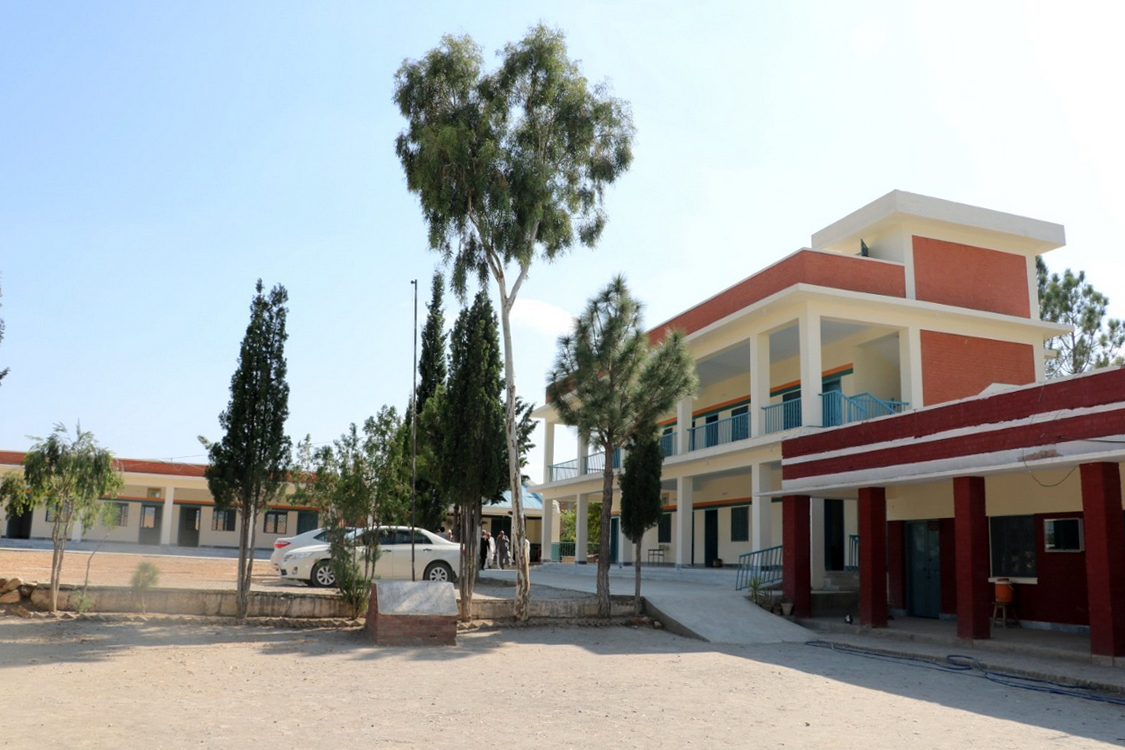
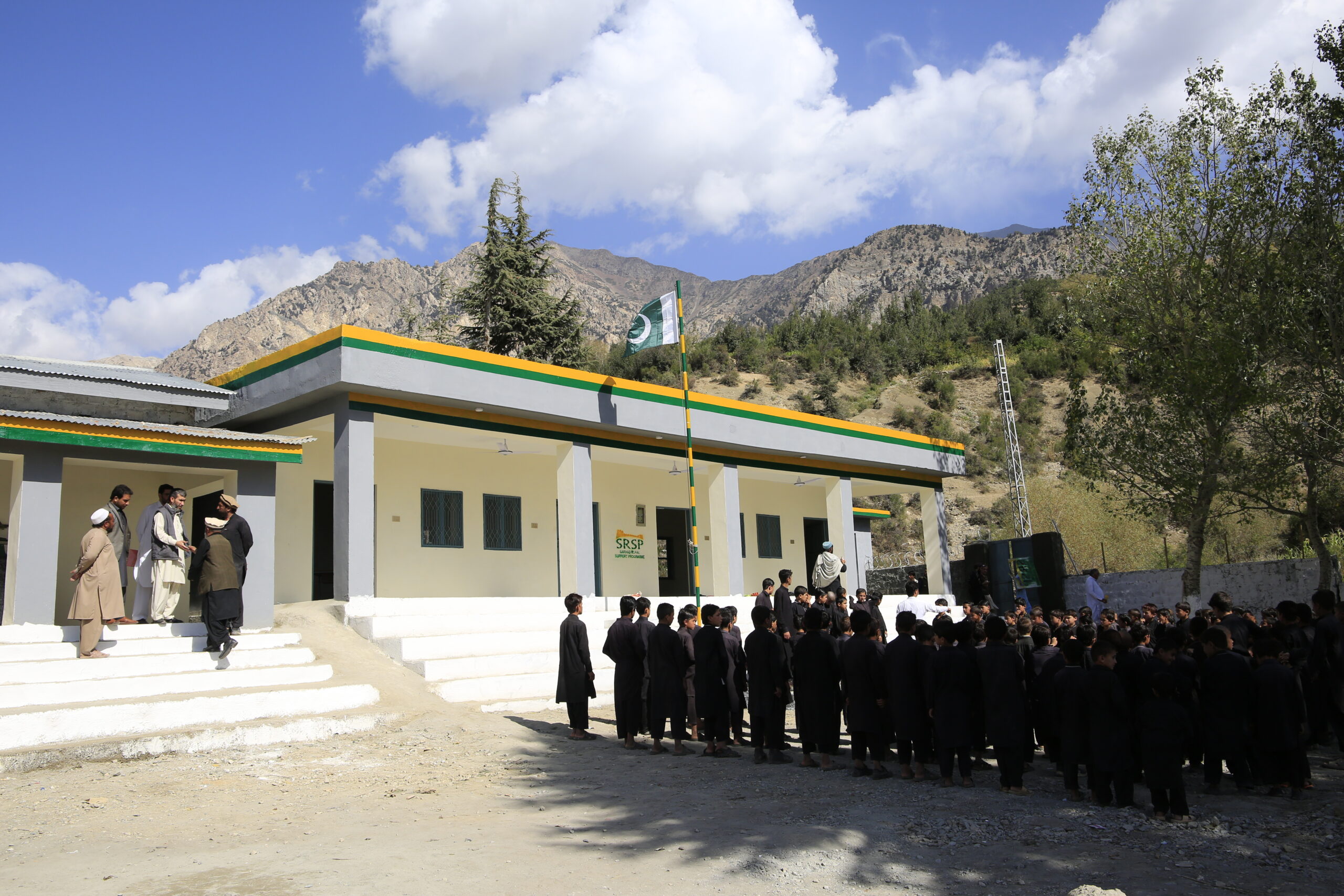
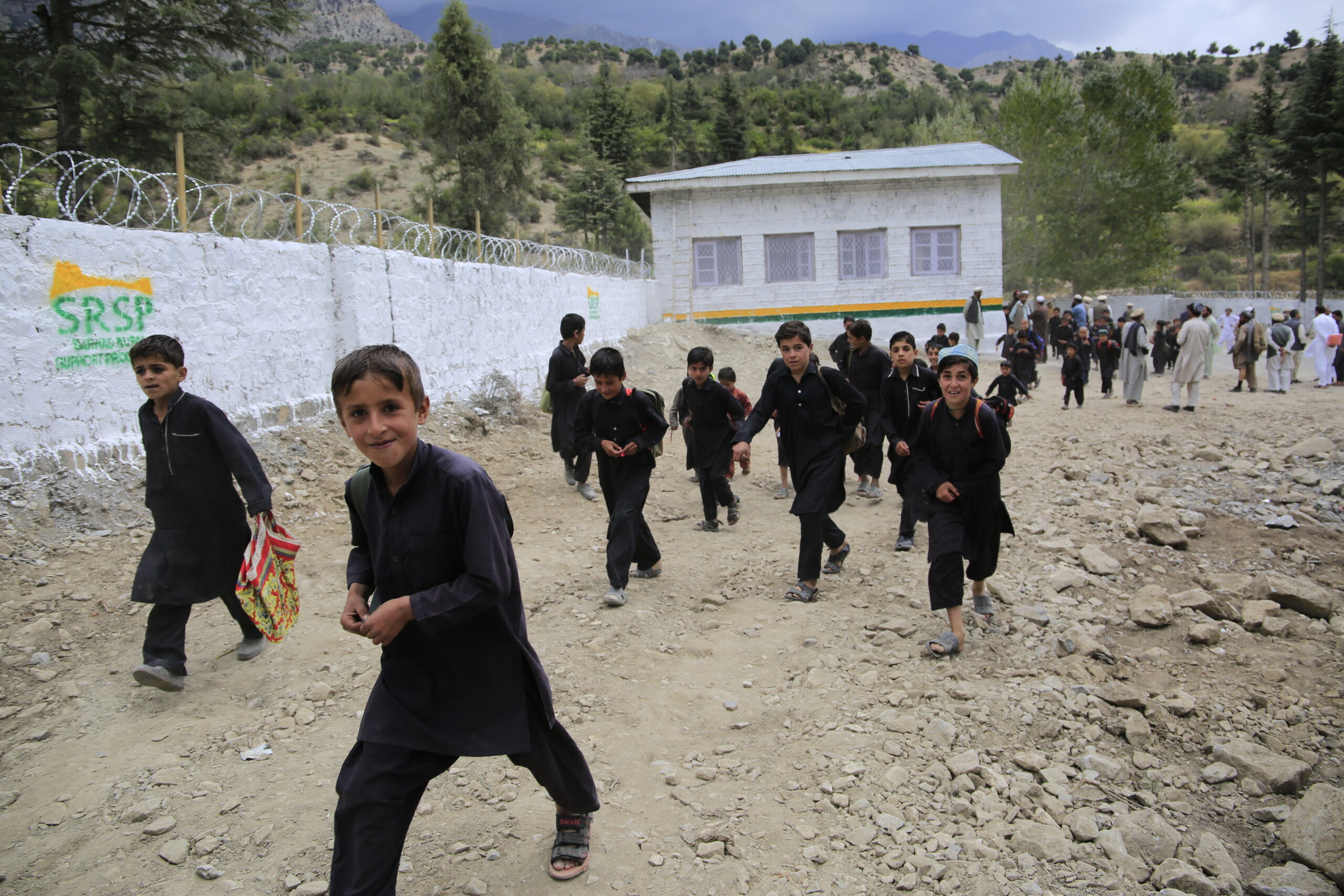
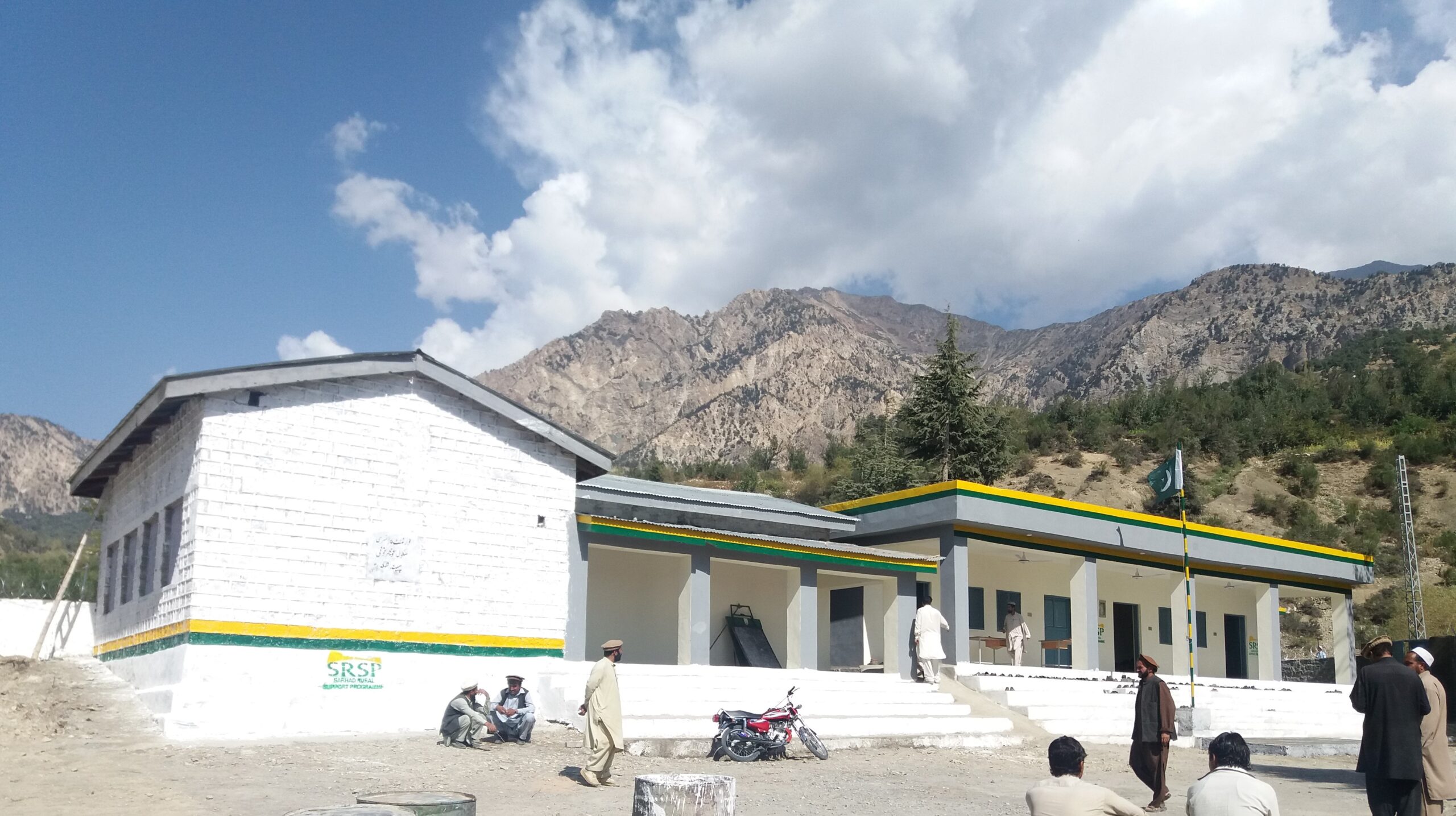
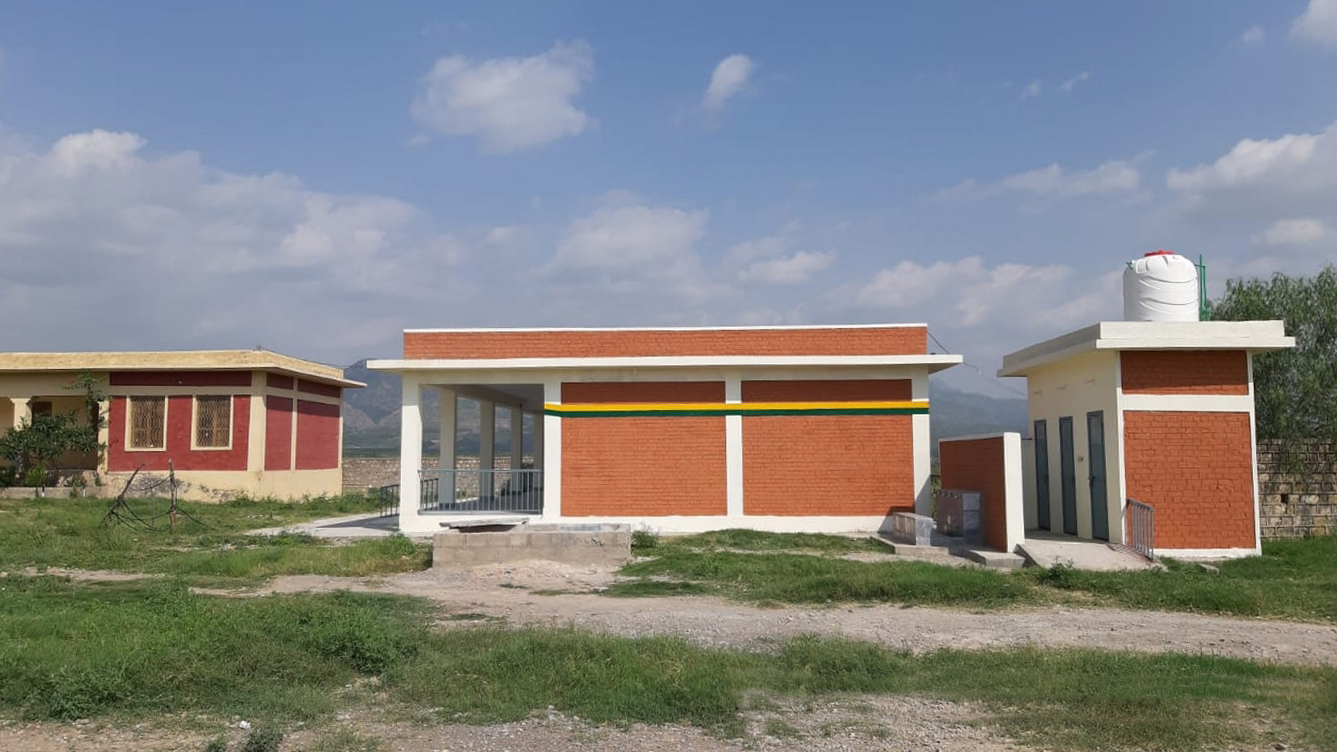
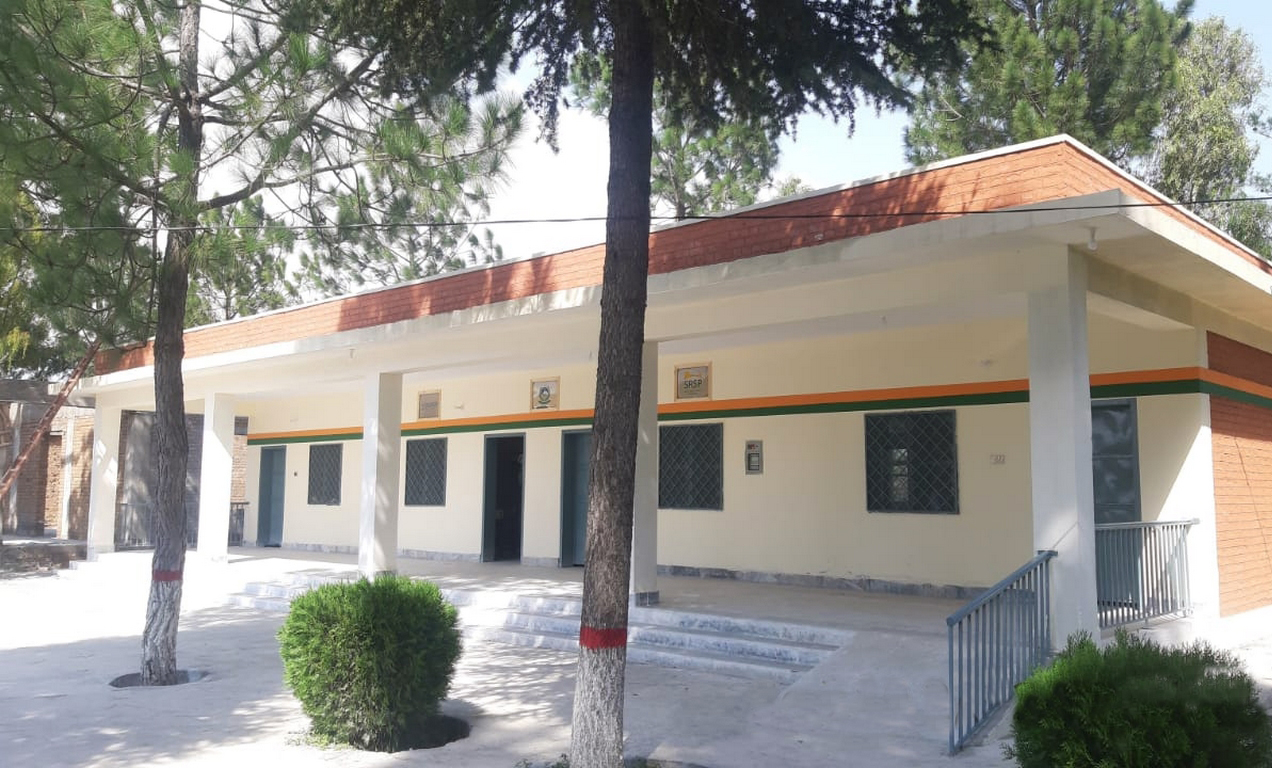
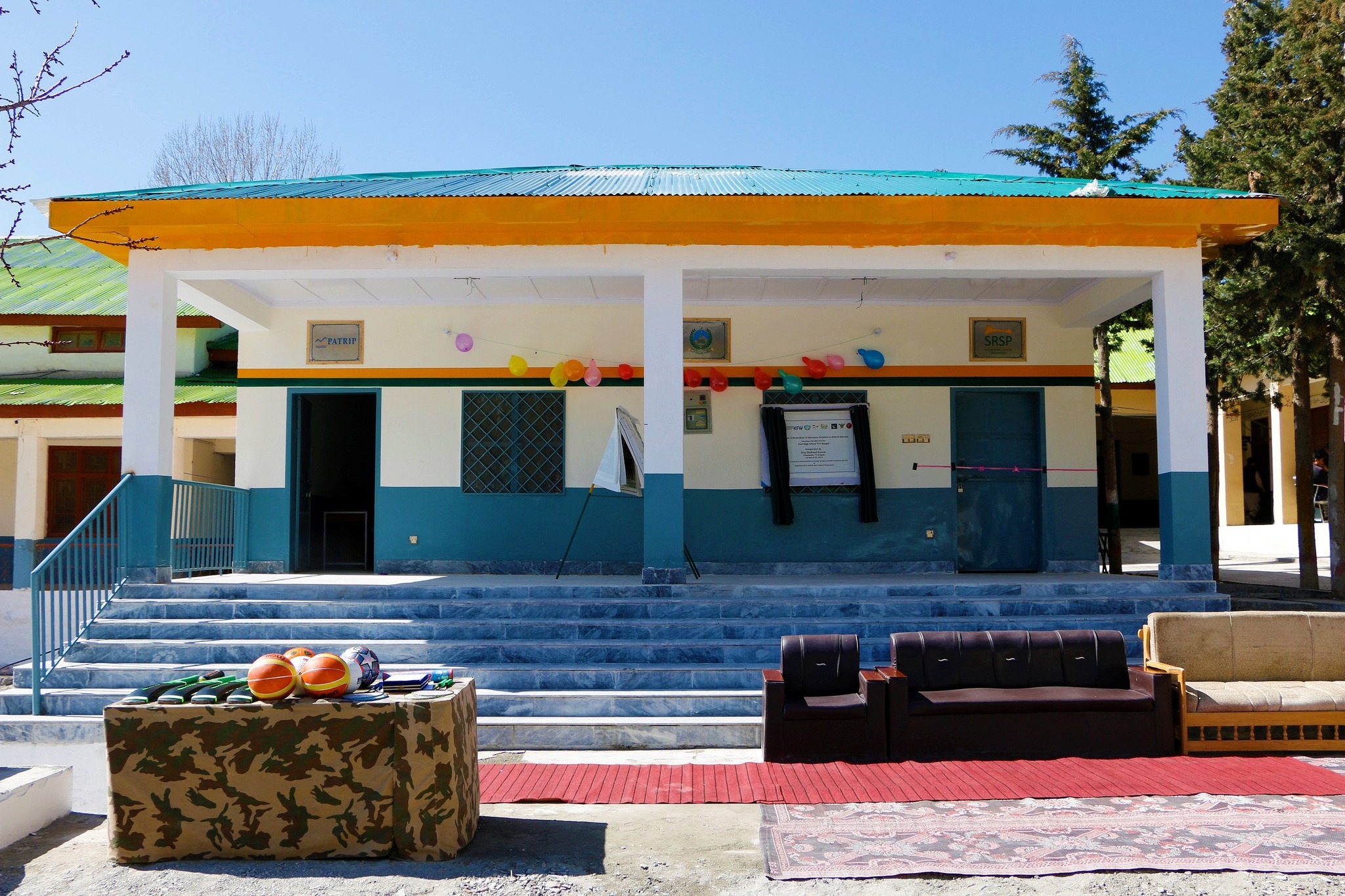
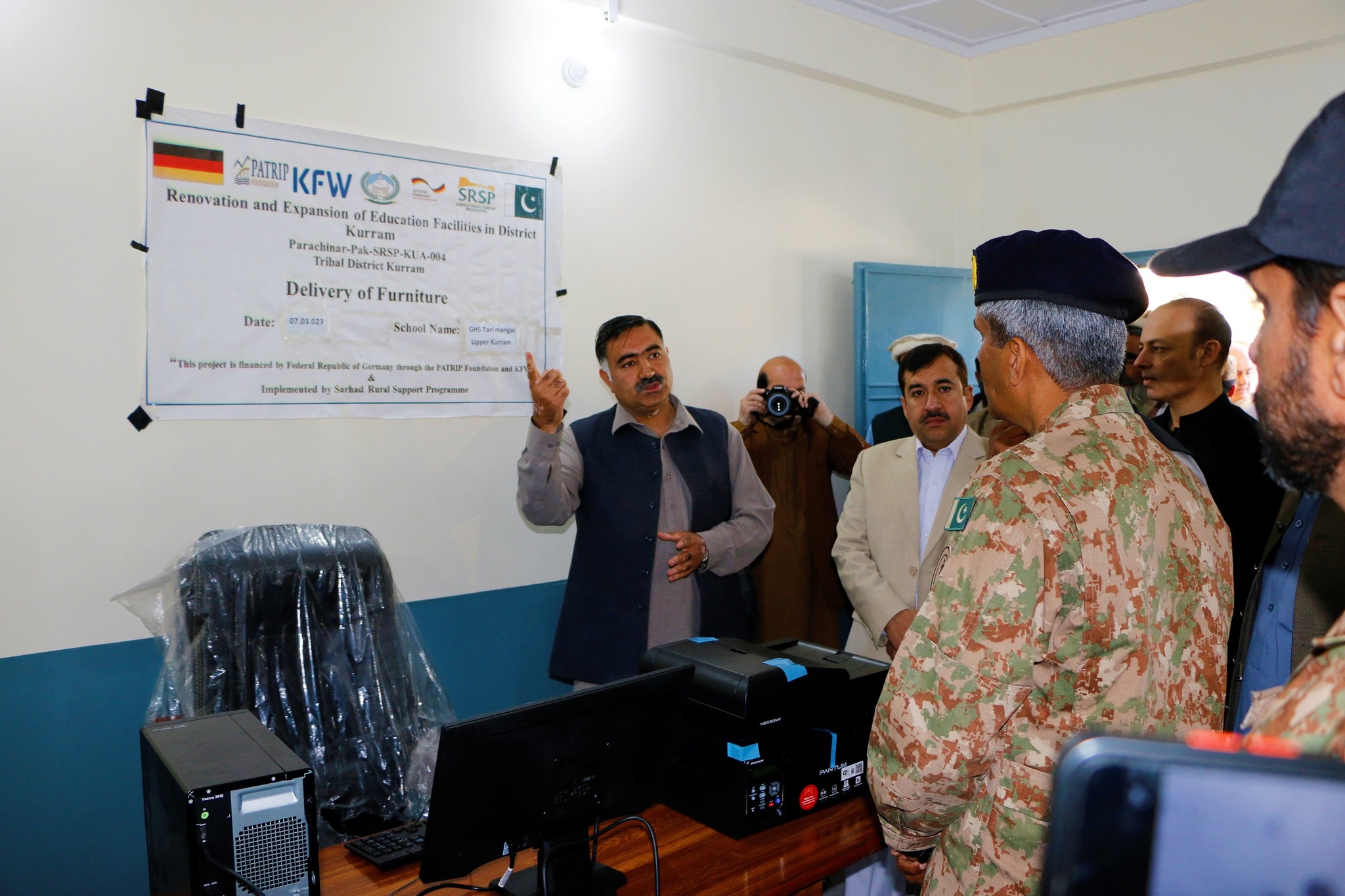
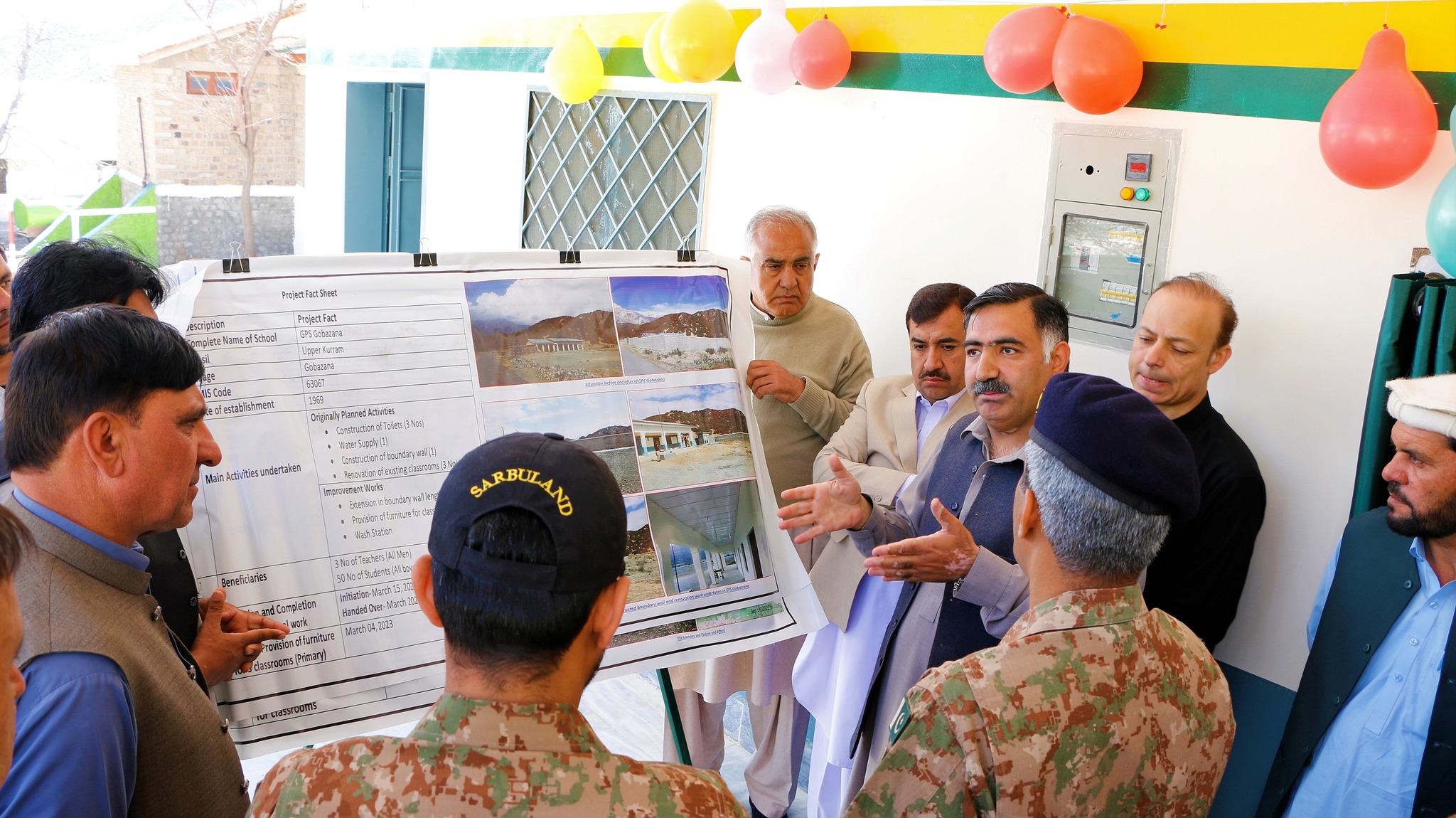
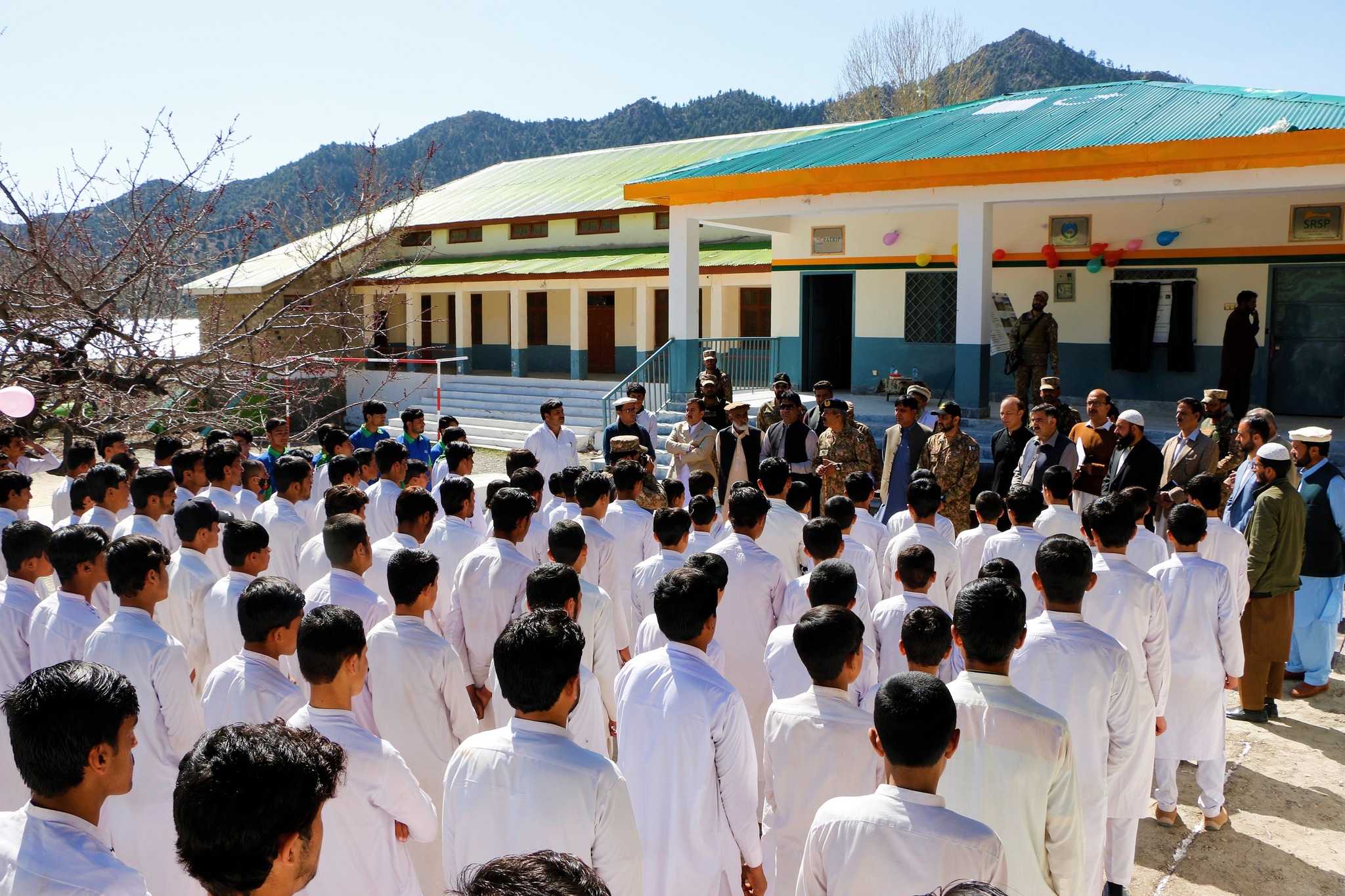
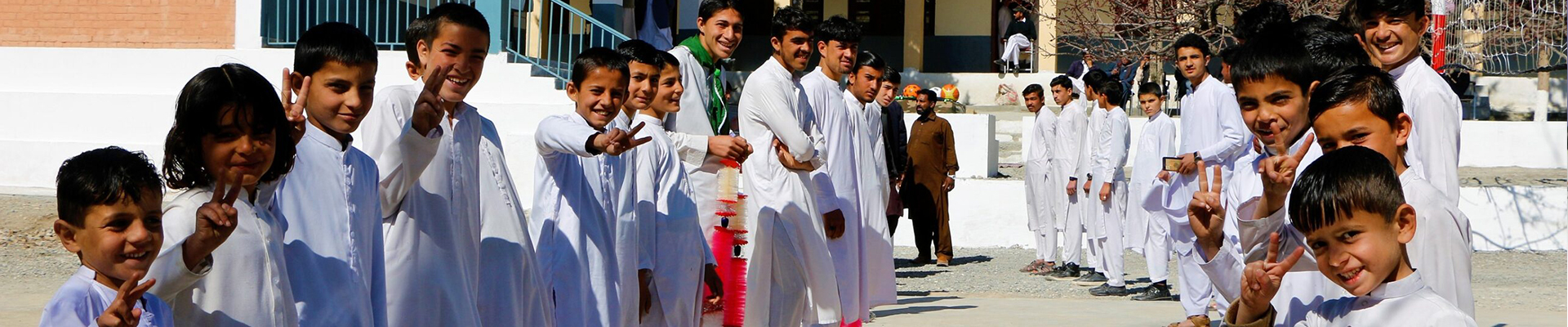
The Sarhad Rural Support Programme (SRSP) successfully implemented the Rehabilitation, Renovation and Expansion of Education Facilities Project in District Kurram, a conflict-affected border region along the Pak–Afghan frontier.
The project aimed to improve access to quality education by addressing severe infrastructure gaps, enhancing school safety, and strengthening community engagement in school governance. Despite security constraints that affected a planned cost-extension phase, the project delivered substantial improvements in learning environments and institutional capacity.
To create safe, inclusive, and well-equipped learning environments in conflict-affected border areas by upgrading school infrastructure, strengthening community-led governance structures, and promoting health and hygiene practices.
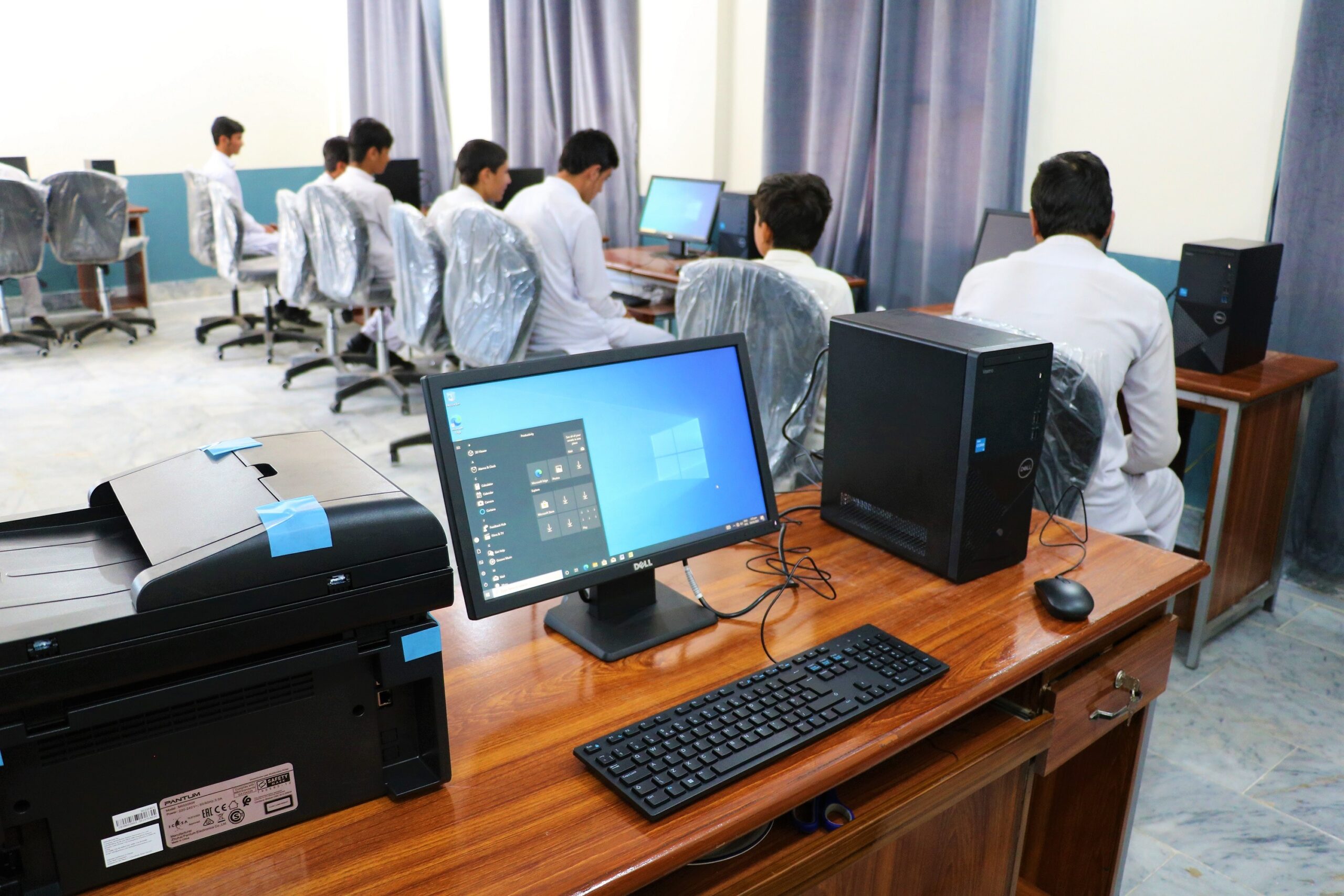
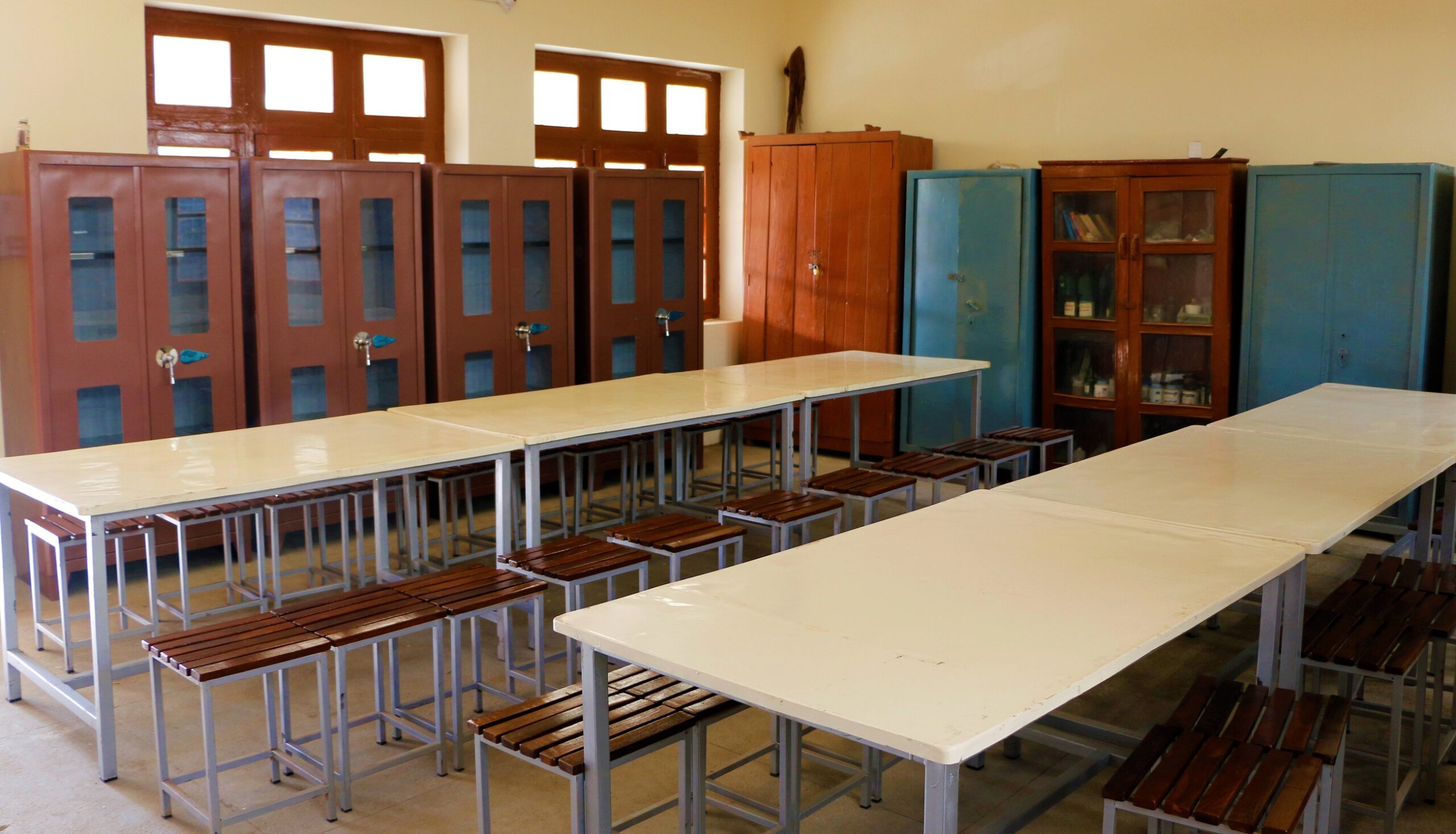
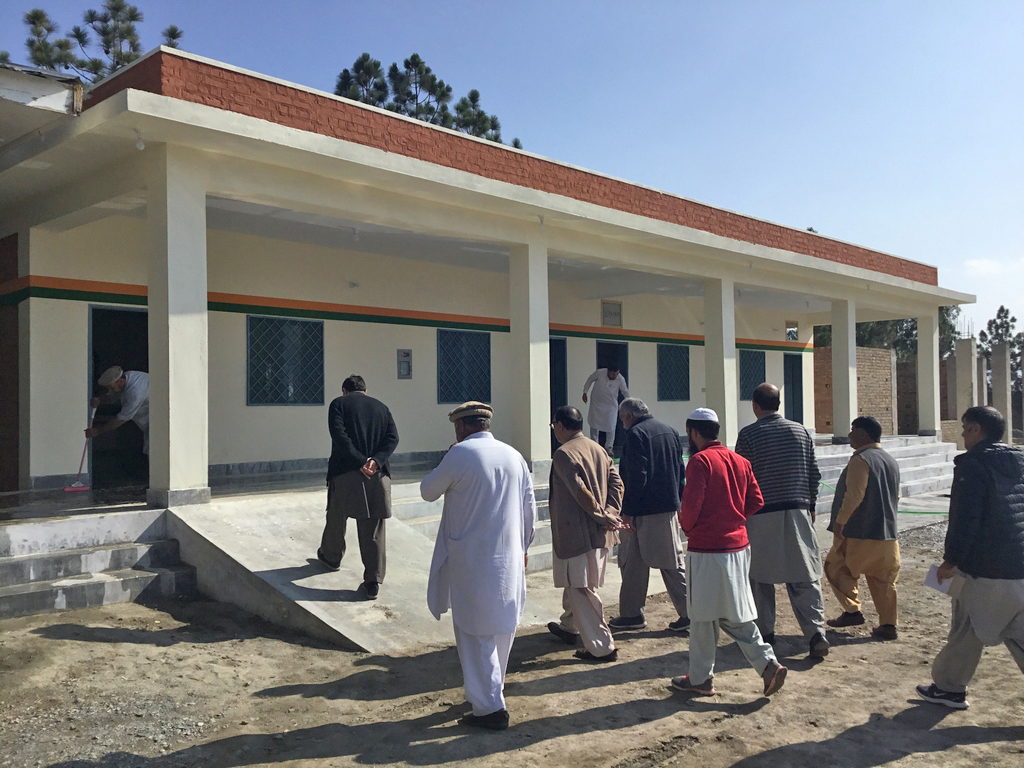
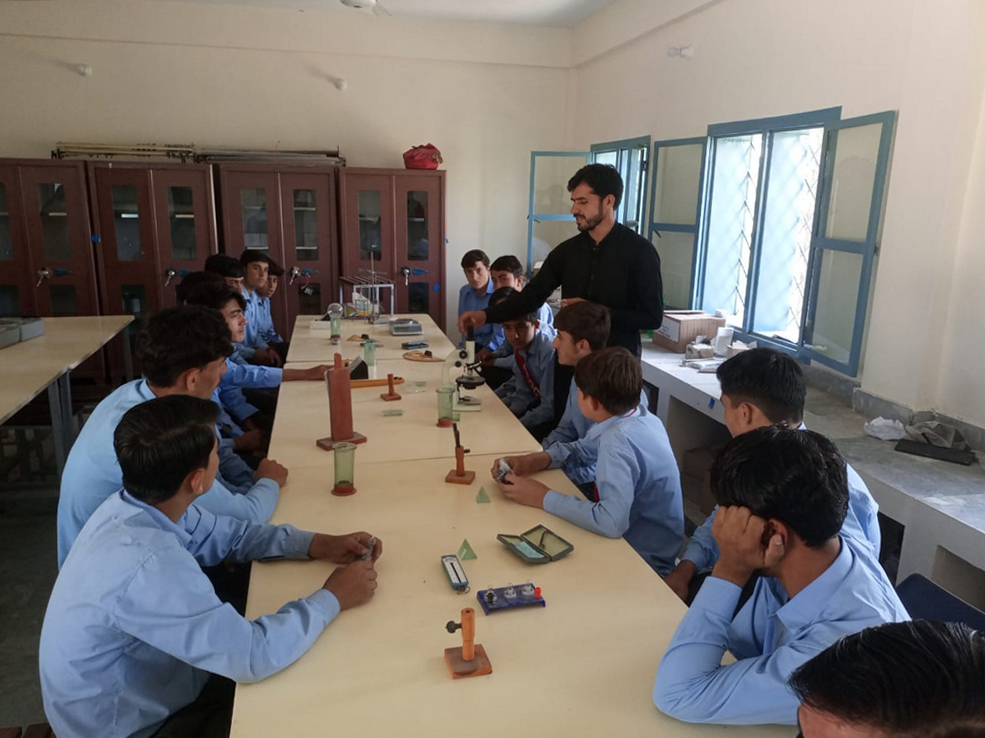
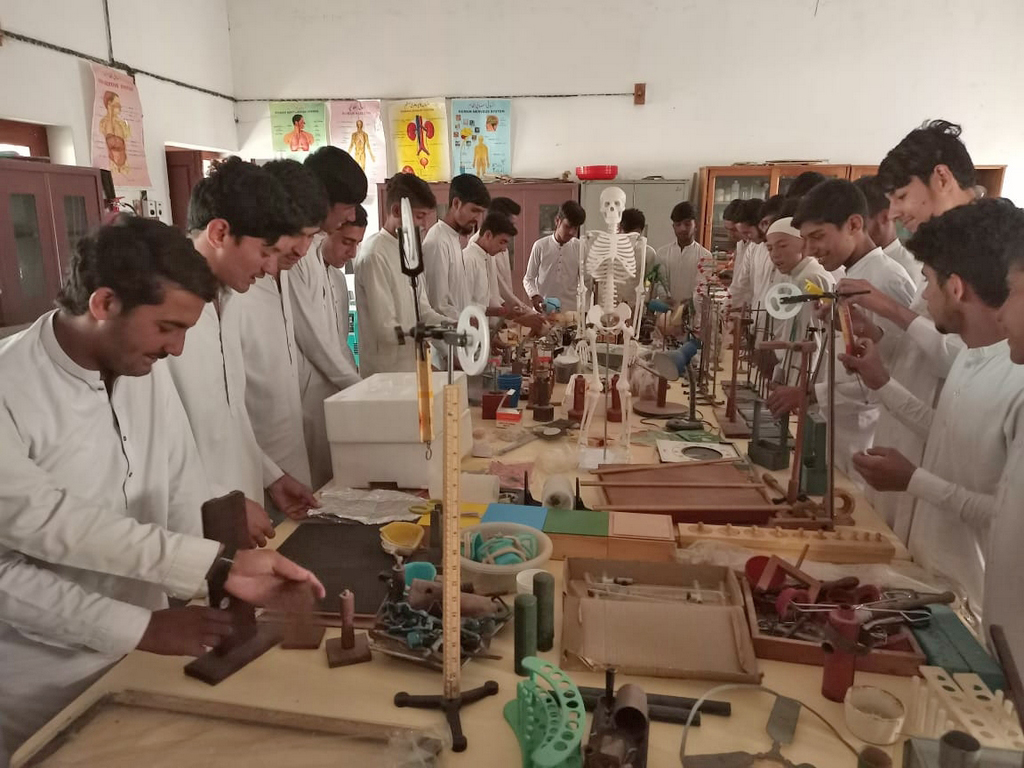
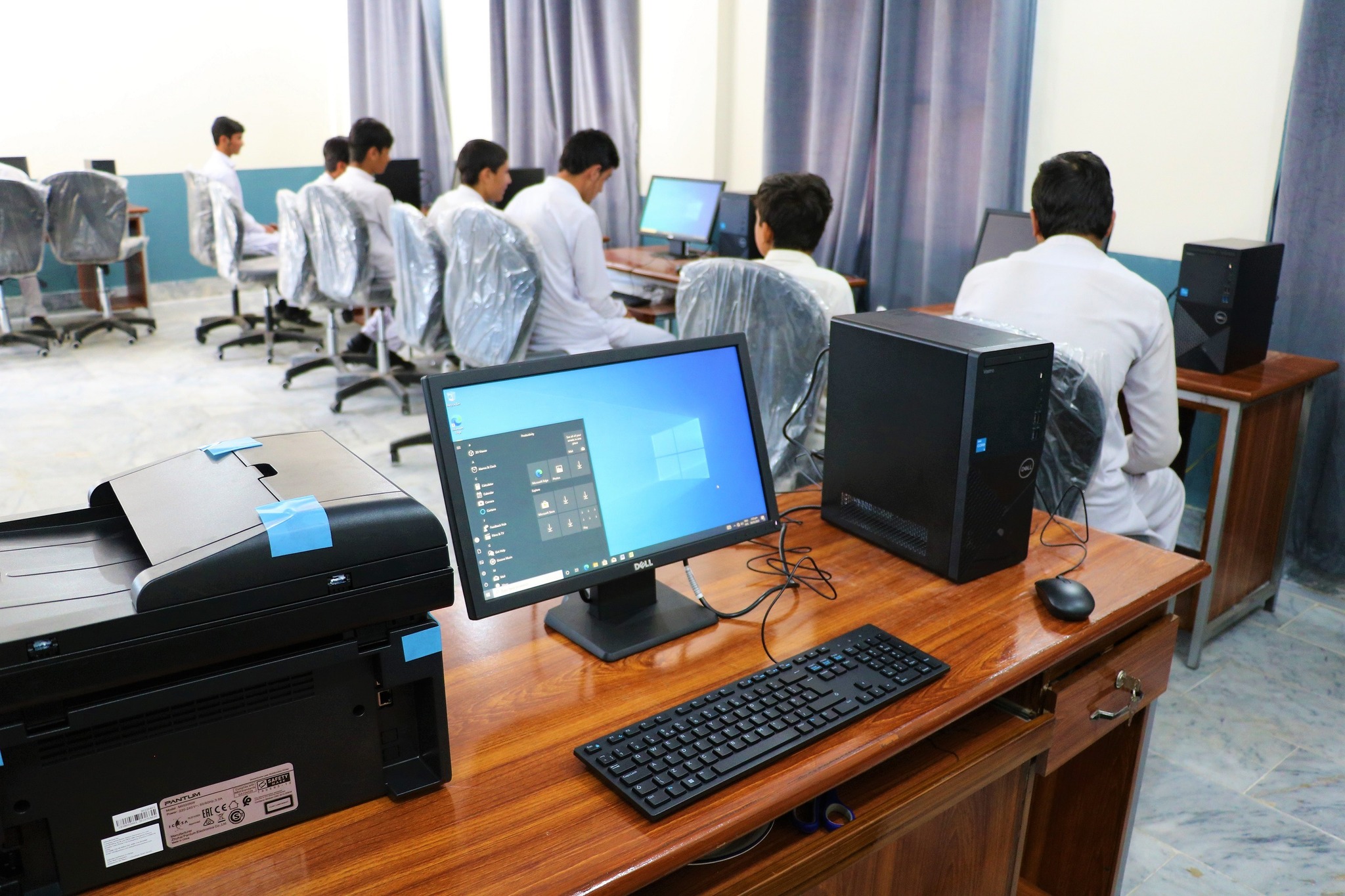
Infrastructure and Facility Upgrades:
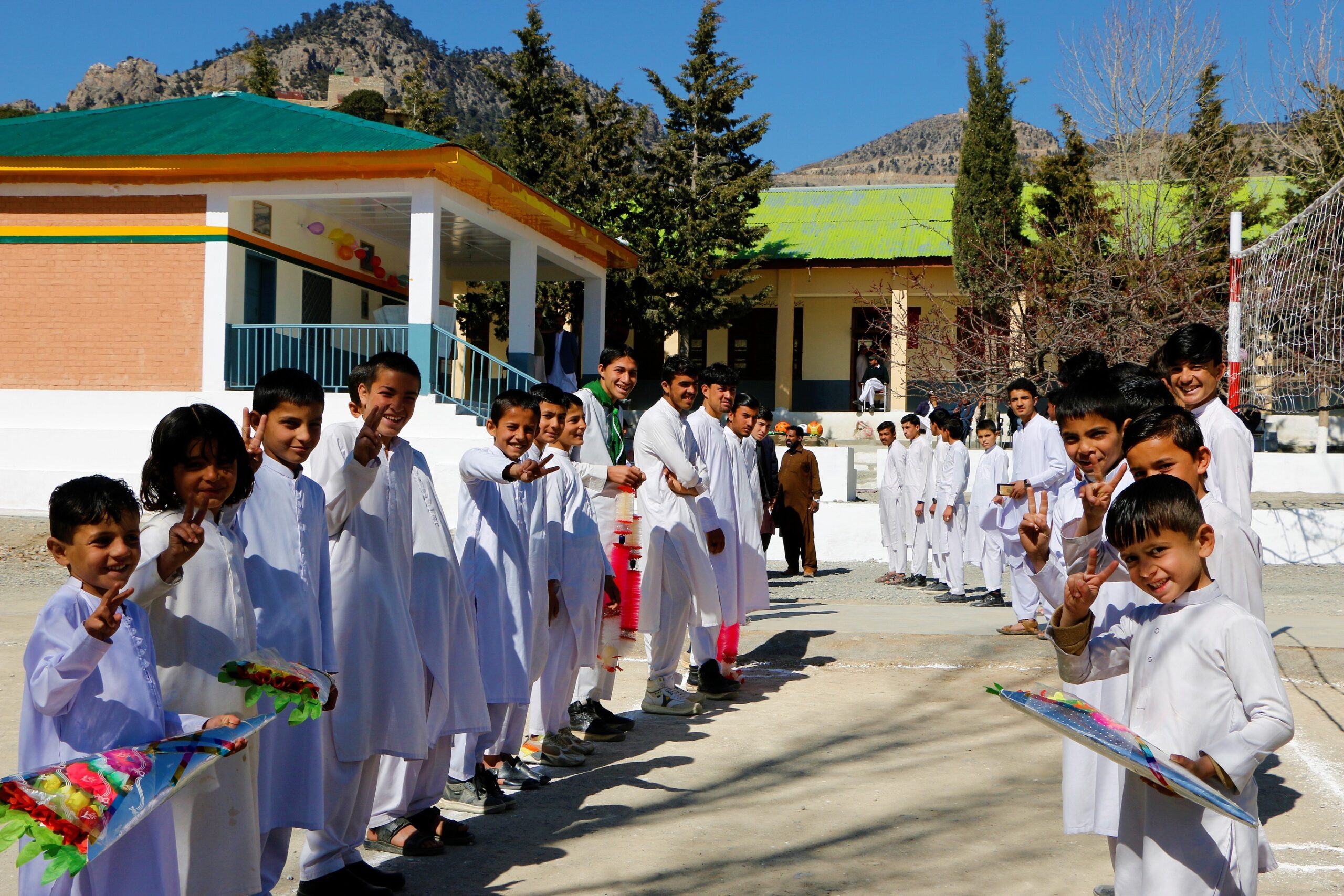
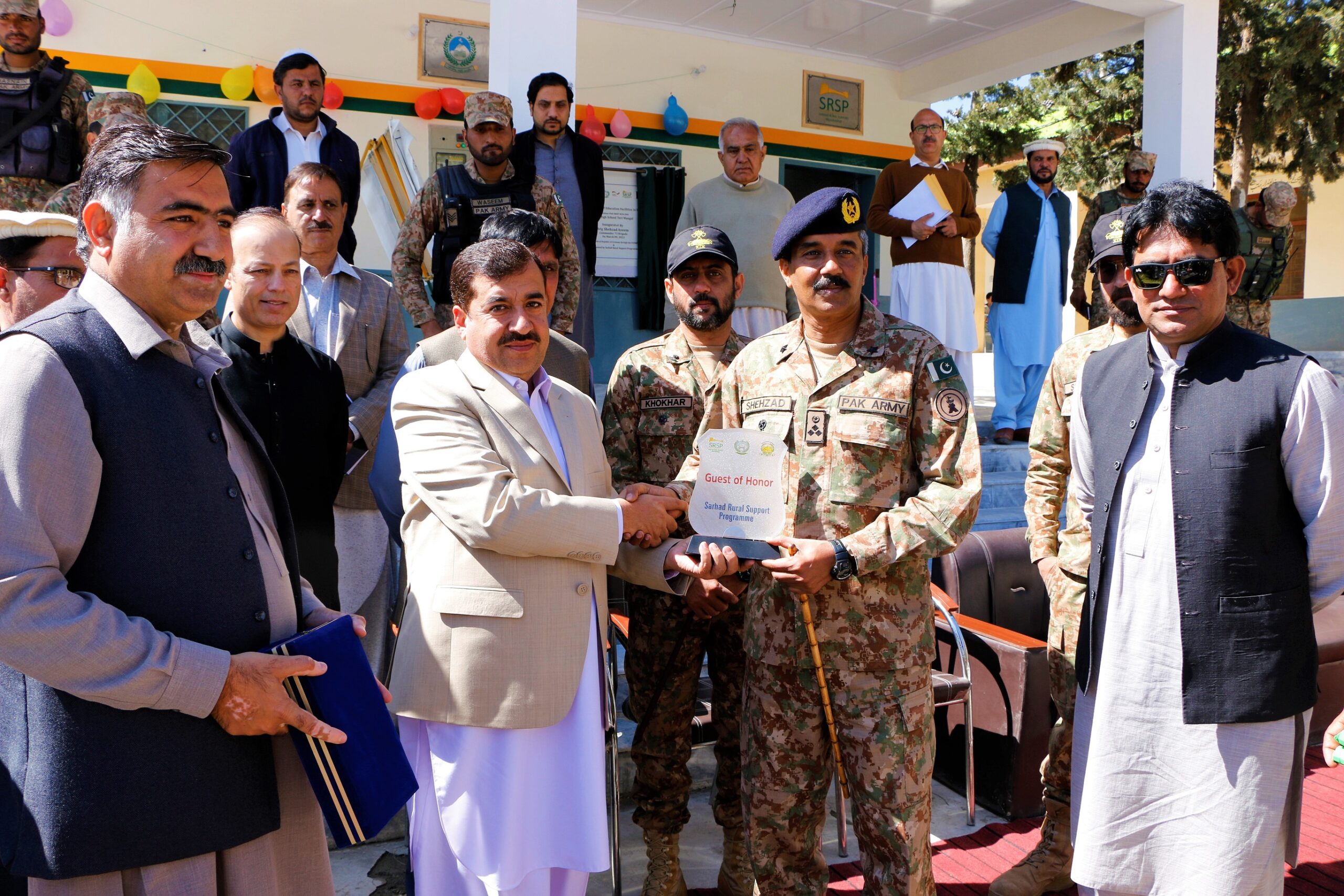
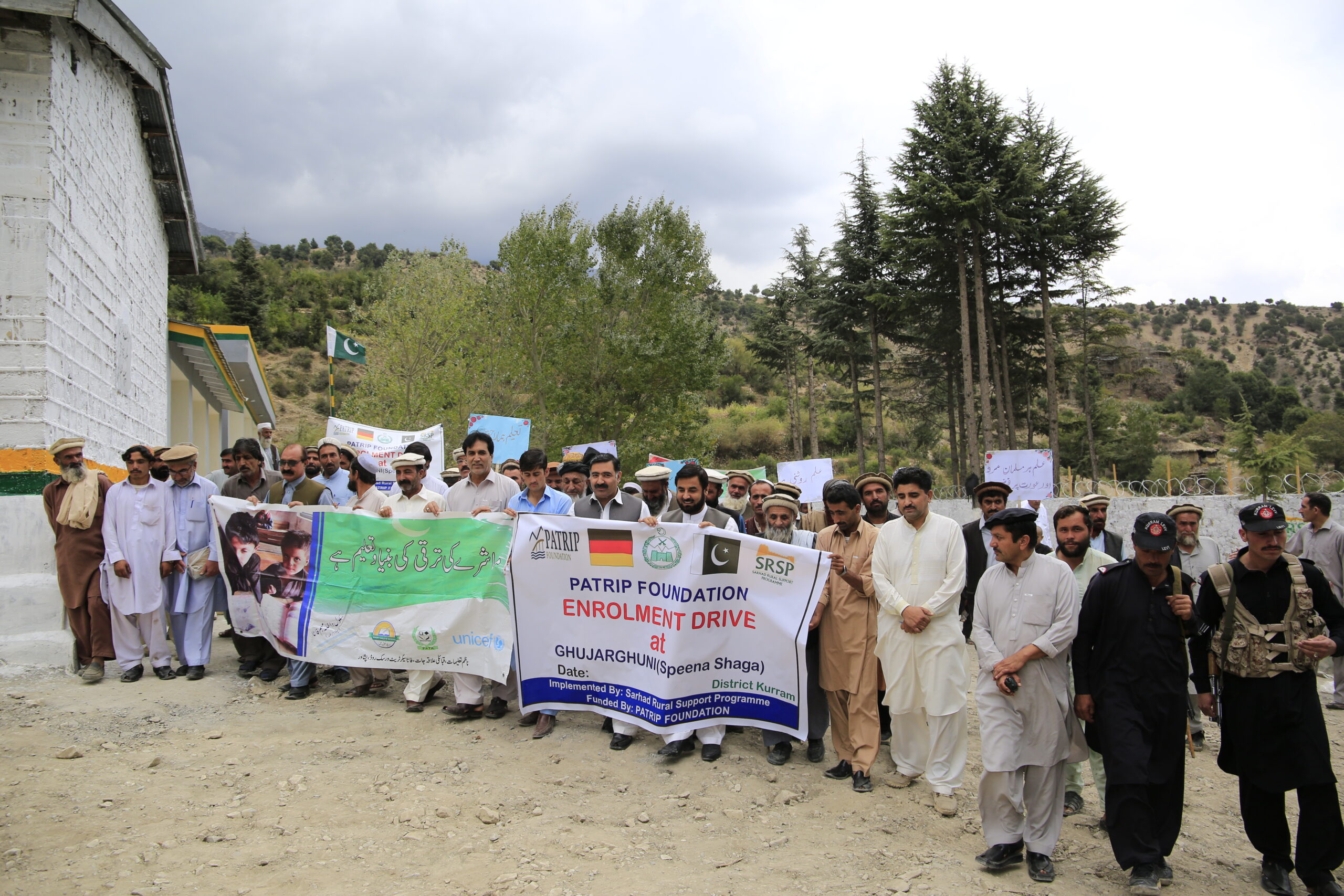
Community Engagement and School Governance:
The project significantly improved learning conditions in District Kurram by transforming insecure and under-resourced schools into safer, better-equipped educational spaces. Strengthened community governance structures enhanced local ownership and accountability, while improved facilities supported higher enrolment, improved retention, and better learning outcomes. Overall, the initiative contributed to education access, social inclusion, and stabilization in a sensitive conflict-affected border region.