January 2021- September 2024
Education / School Infrastructure / Community Engagement

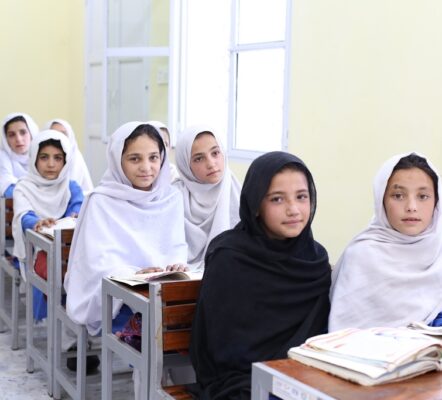
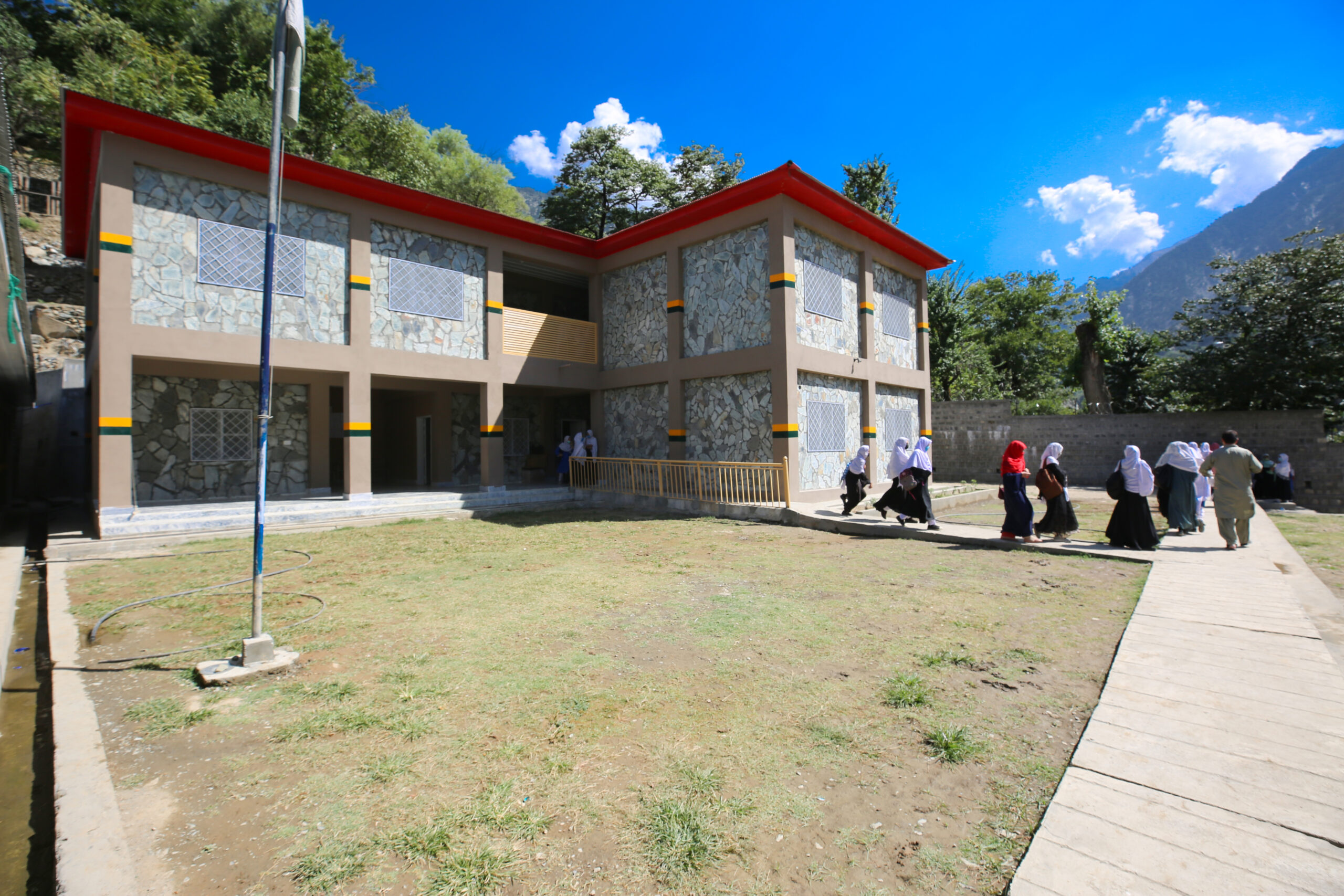
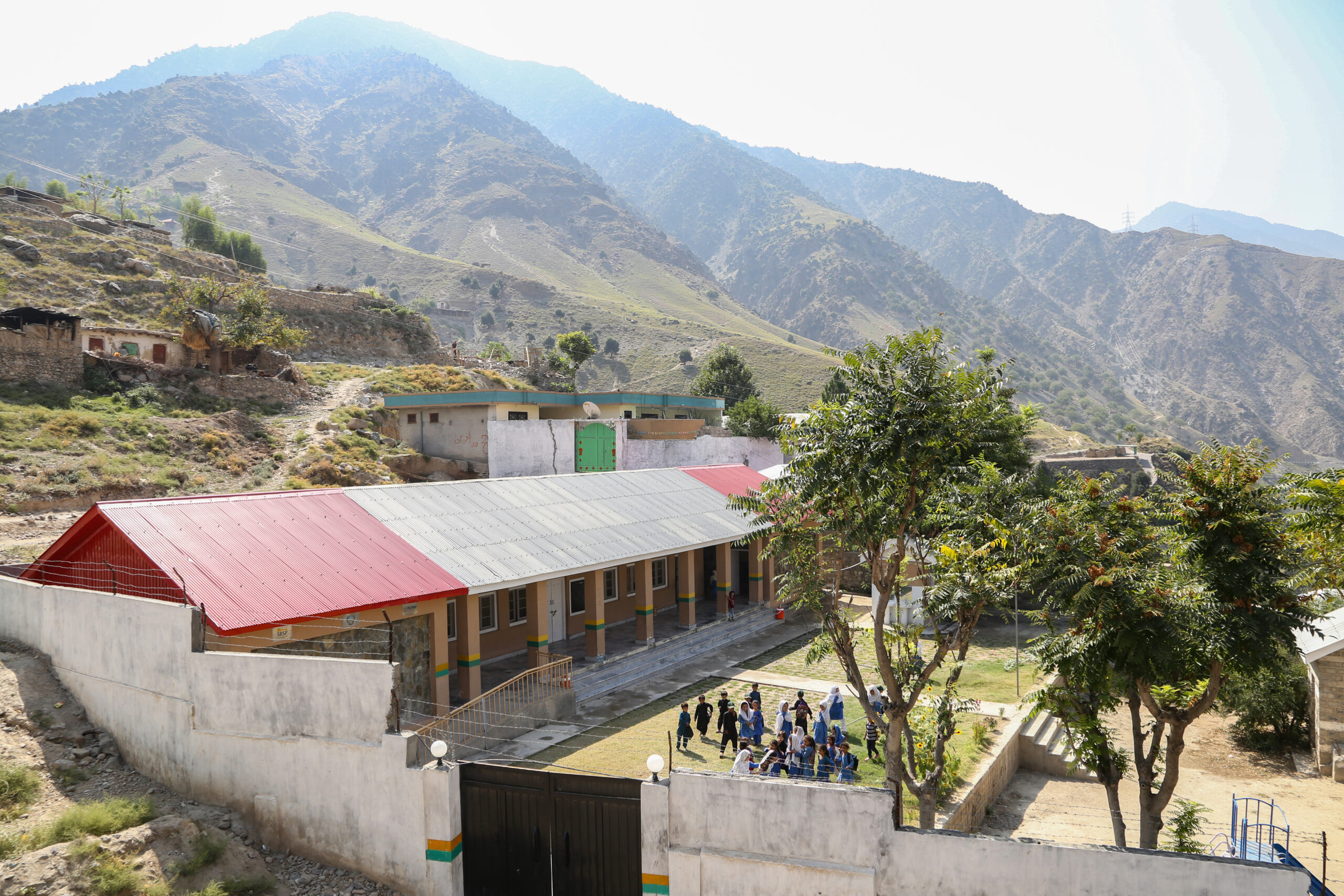
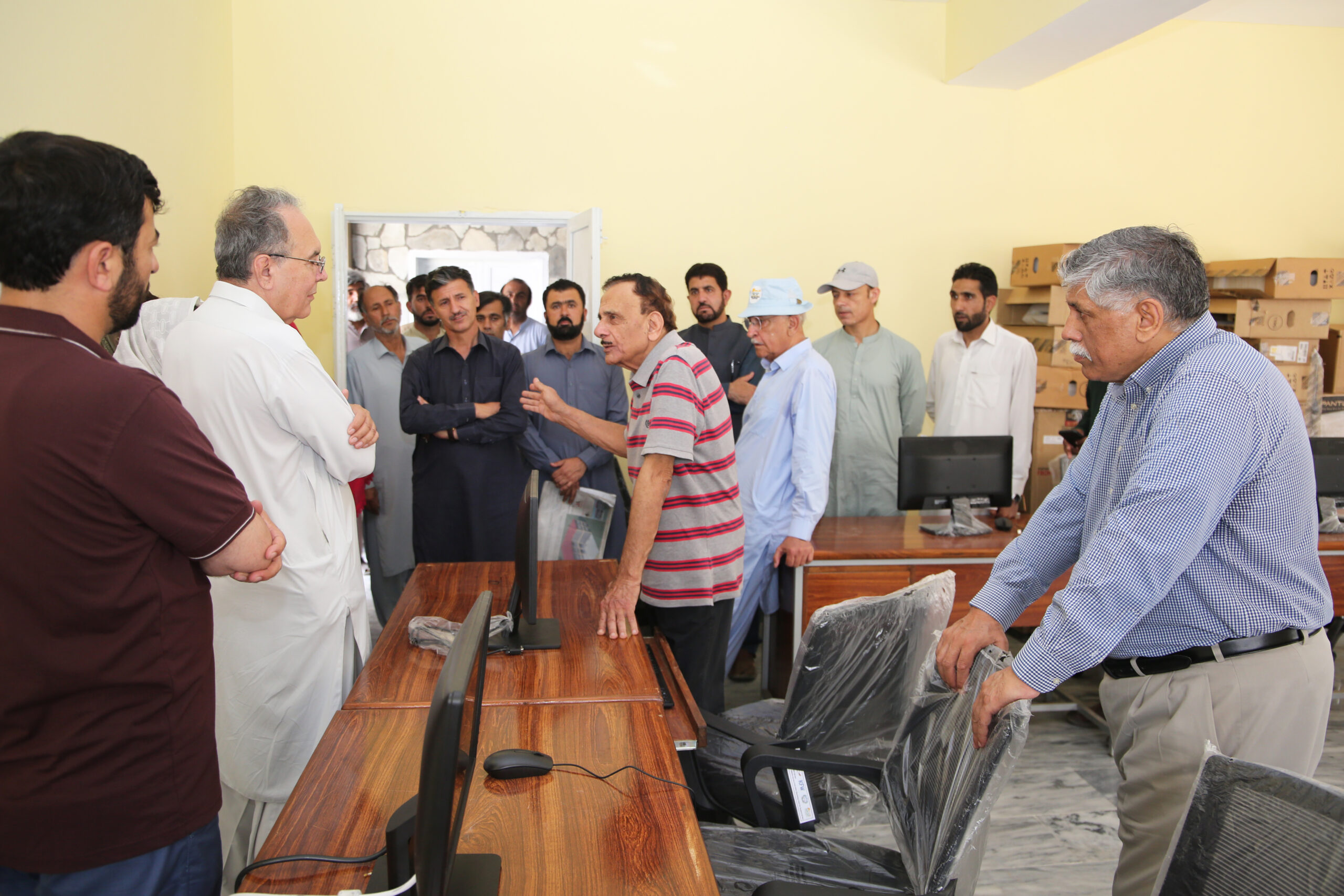
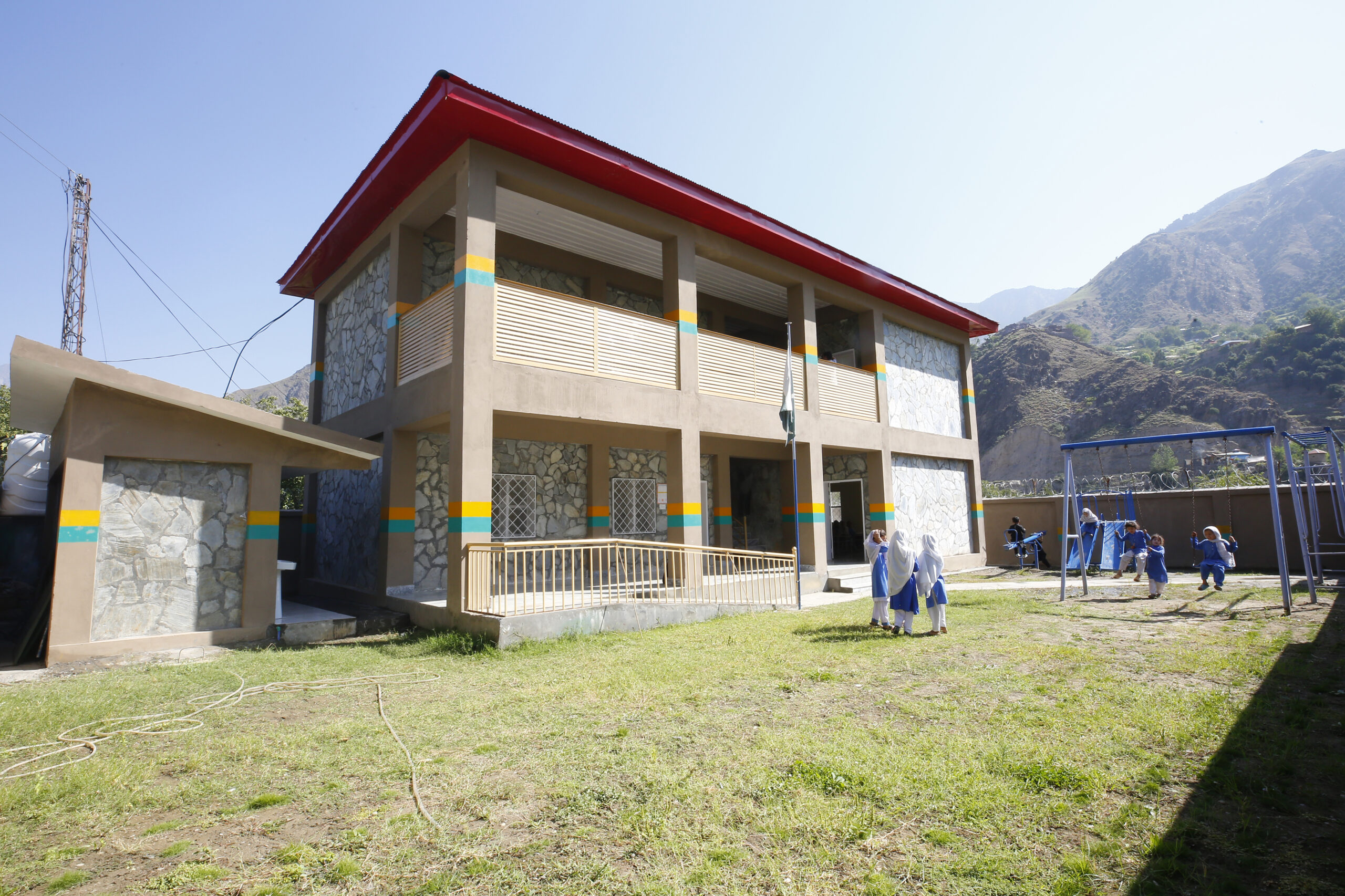
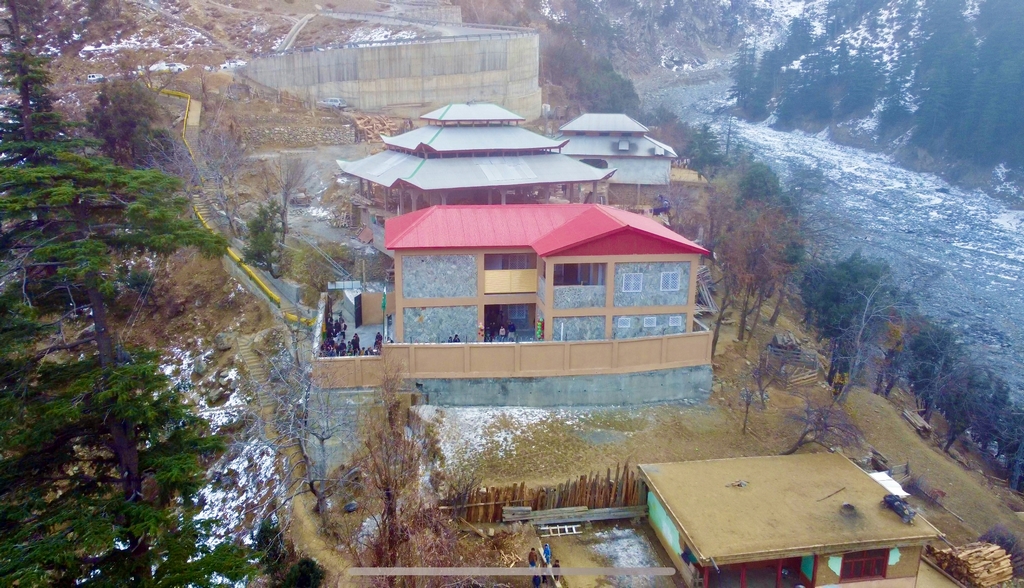
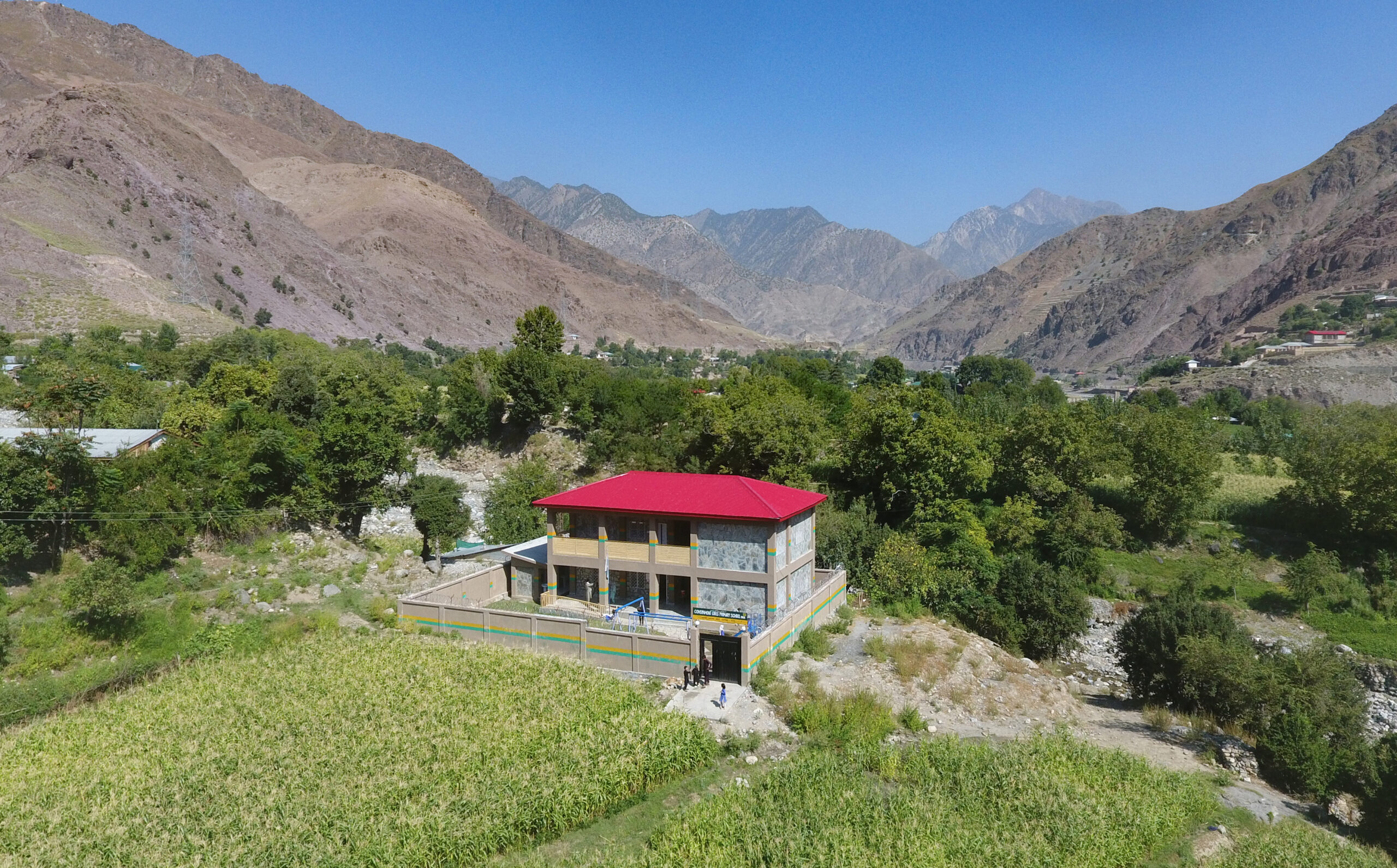
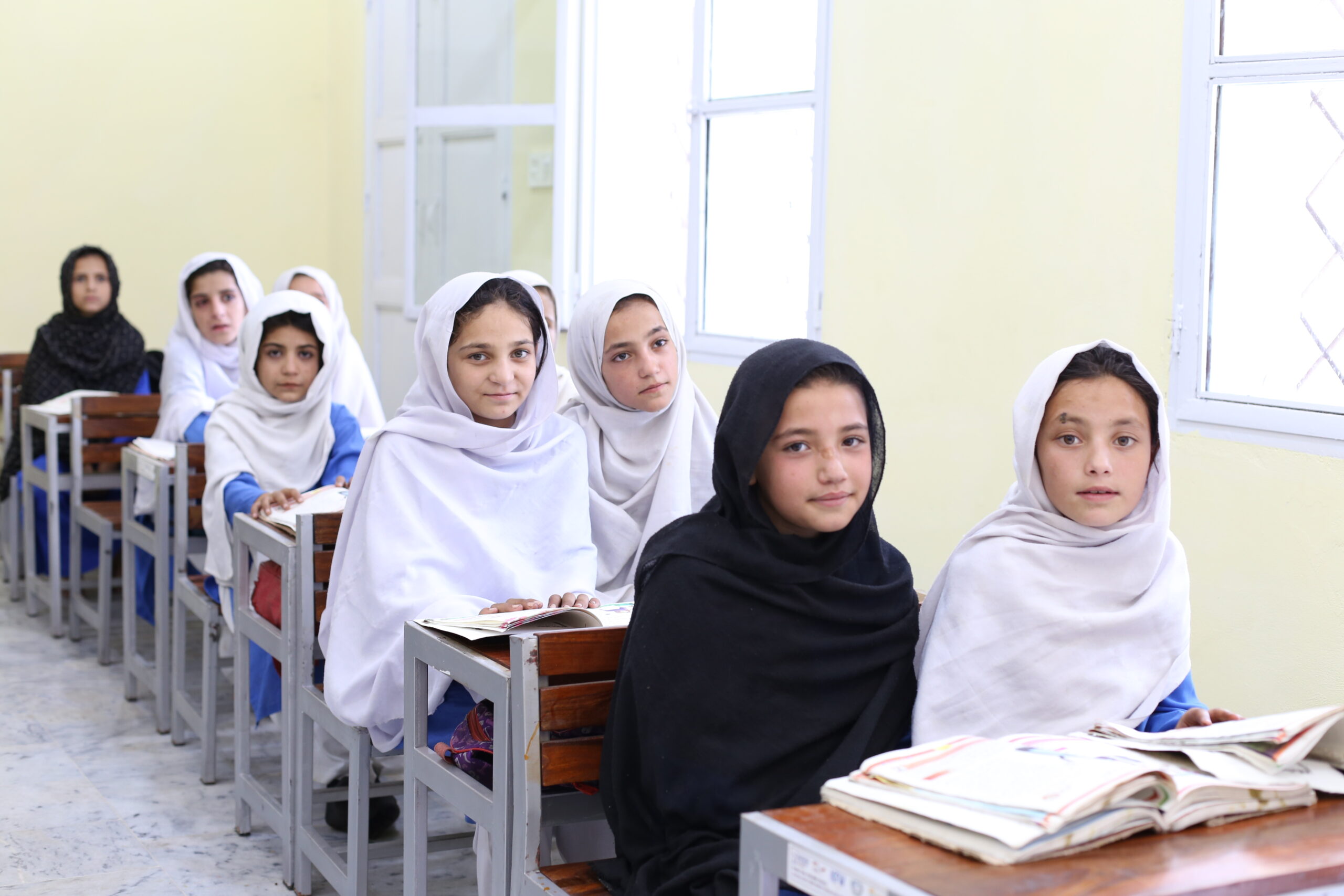
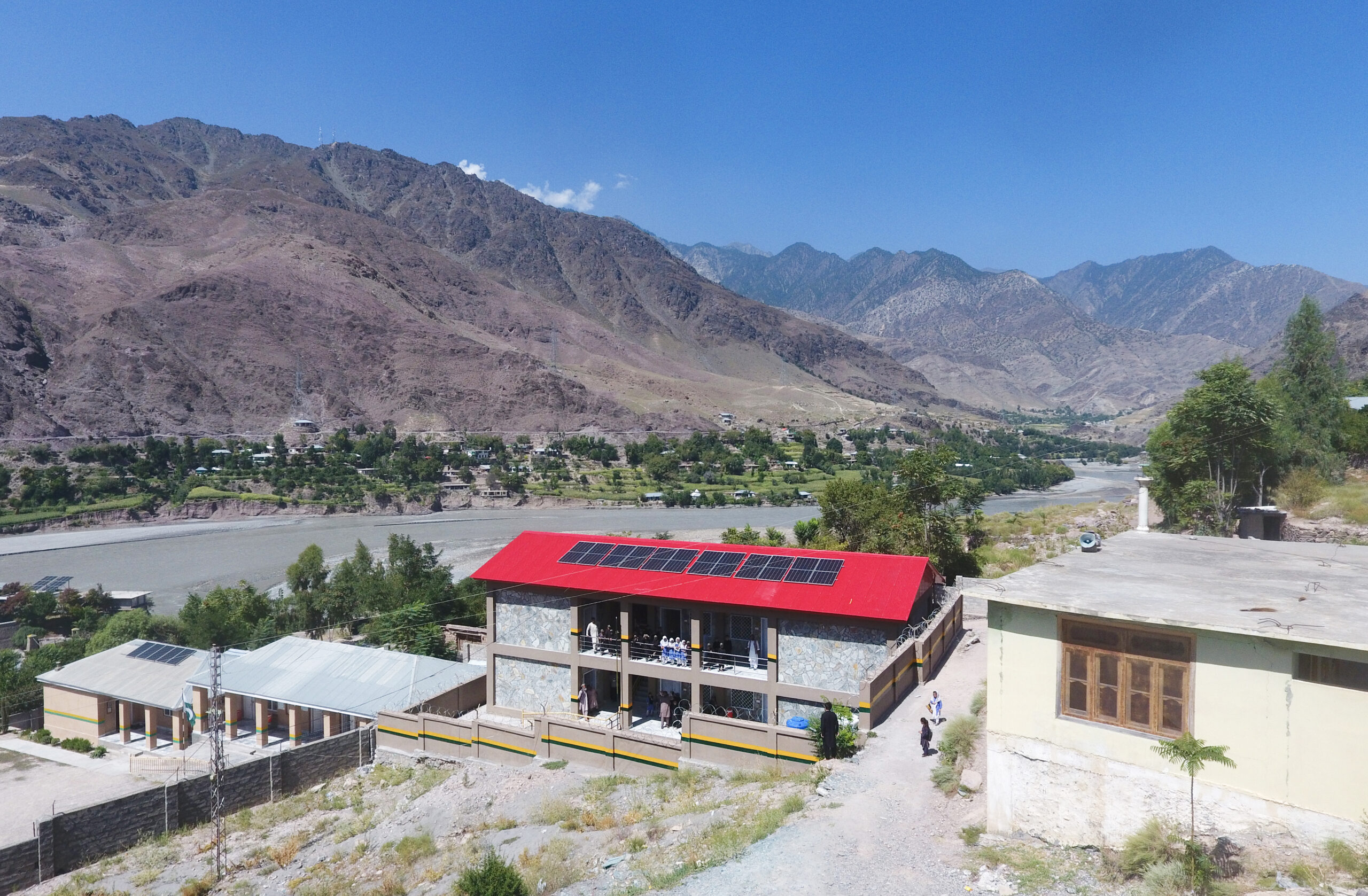
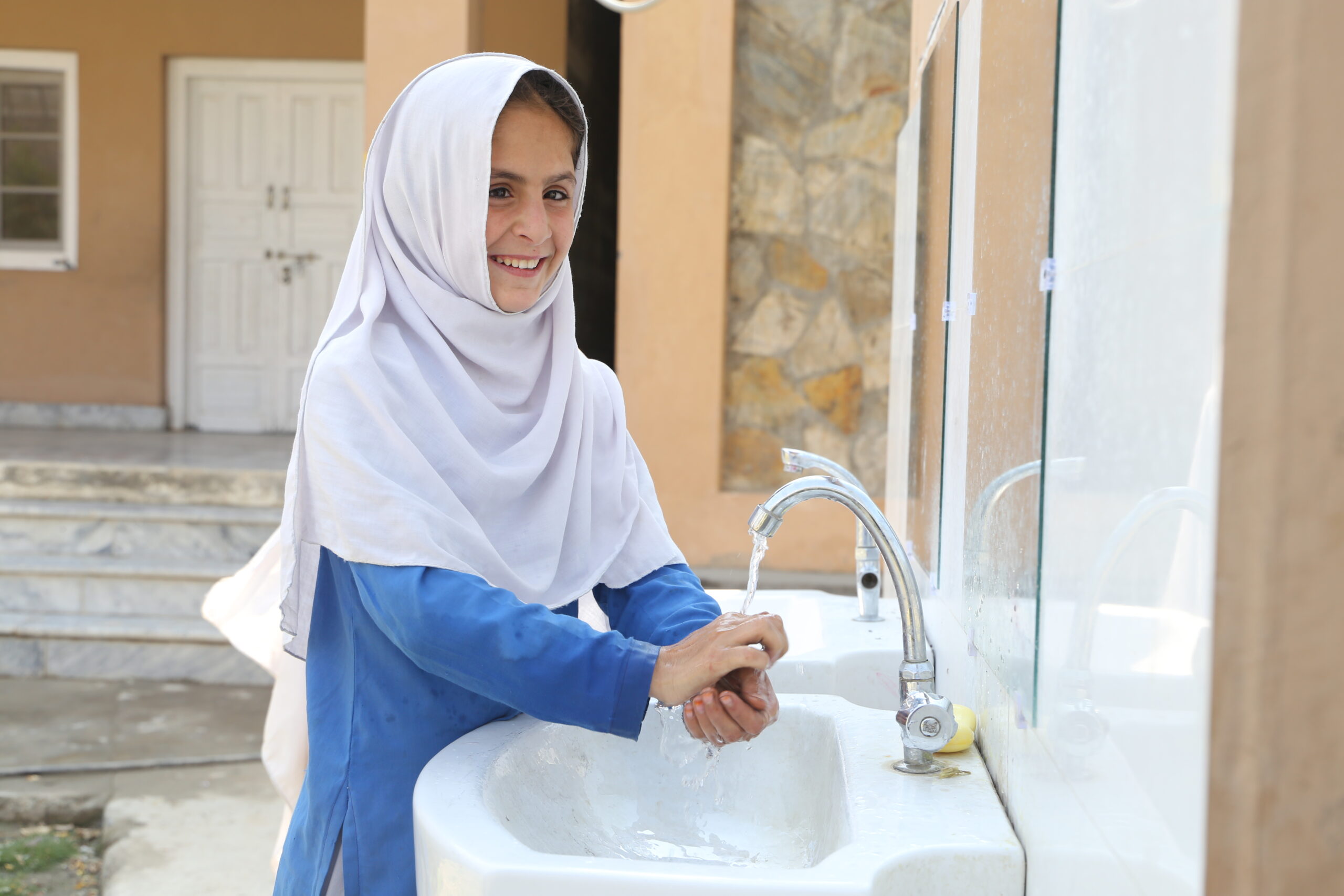
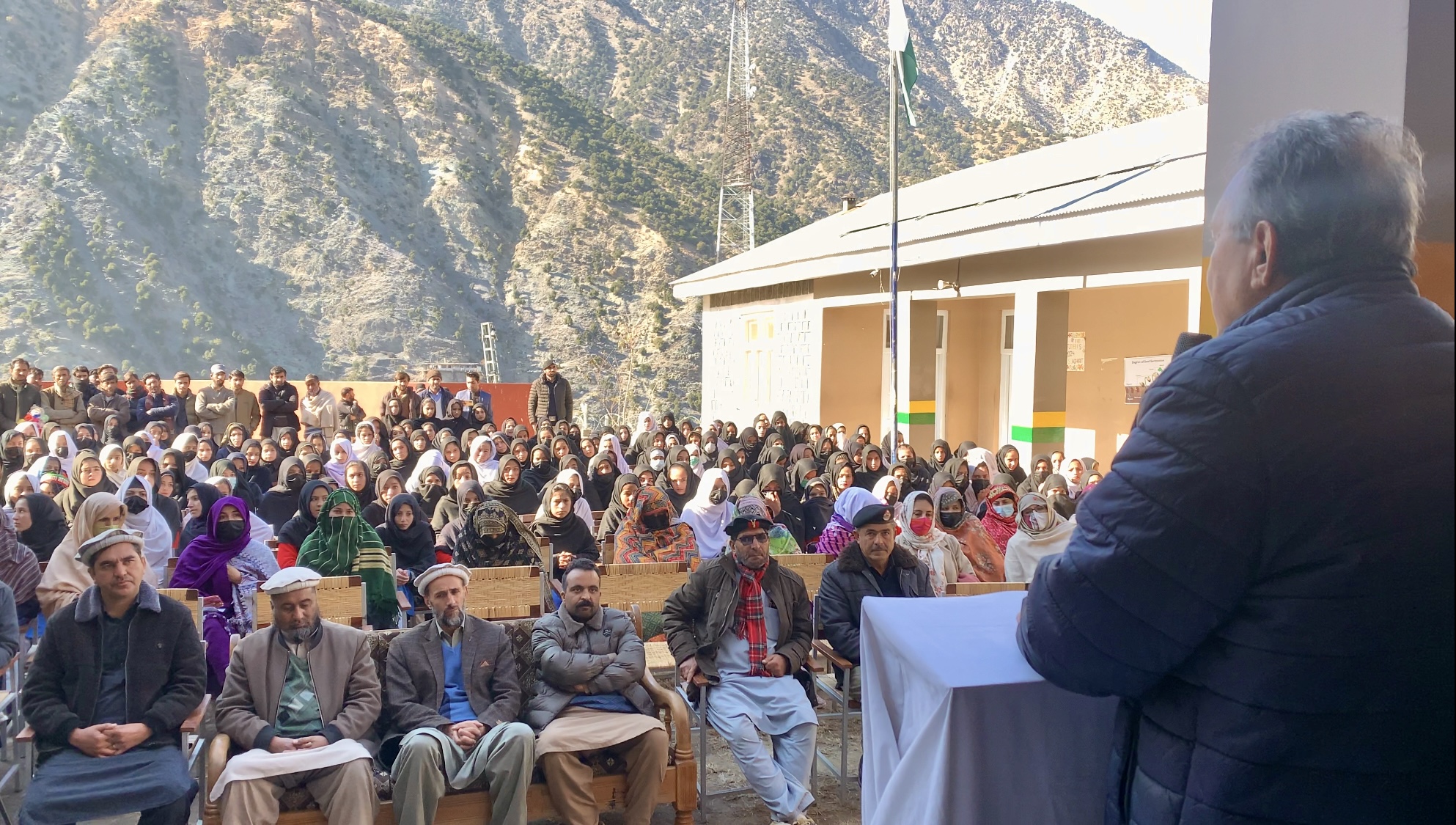
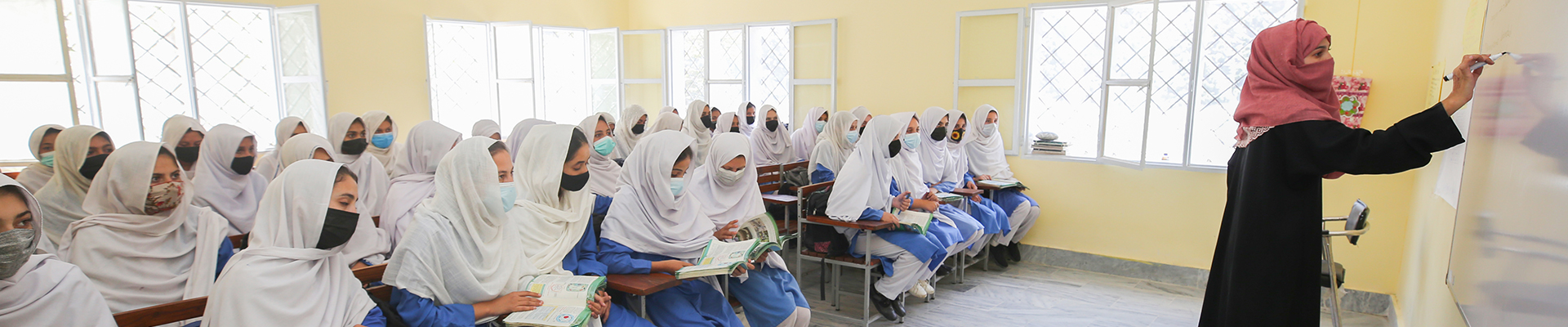
As part of the PATRIP Foundation–supported portfolio, SRSP successfully implemented the Improvement of 13 Government Schools Project in UC Ashiret, a remote border area near Afghanistan in District Chitral. Furthermore, the project aimed to improve access to quality education by upgrading physical infrastructure, strengthening school governance, and promoting community ownership in an area facing geographic isolation, harsh climatic conditions, and limited public services.
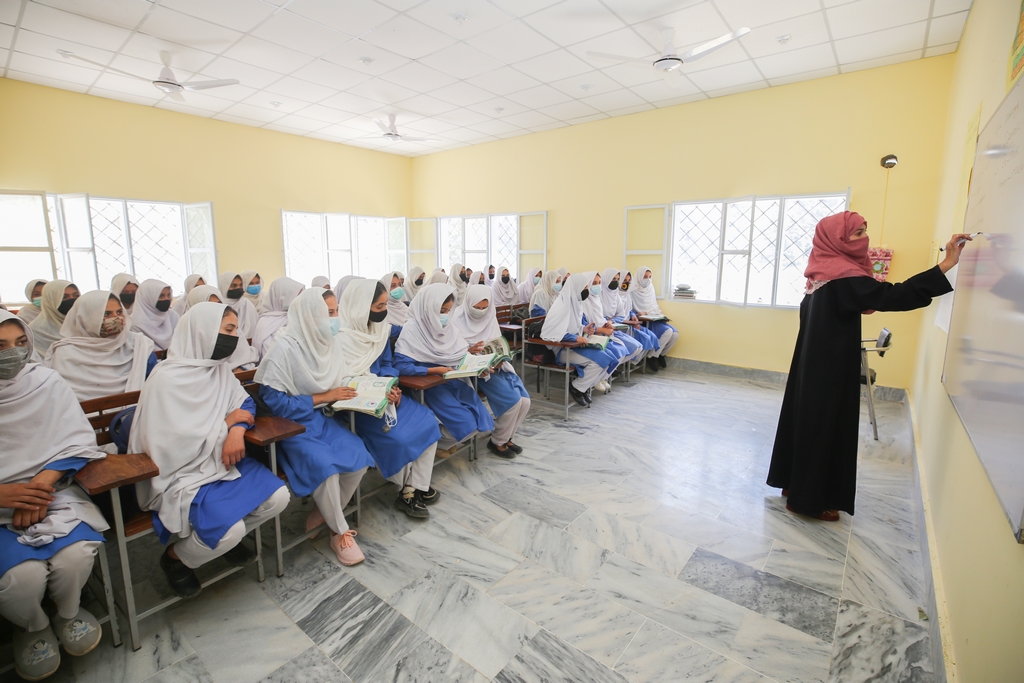
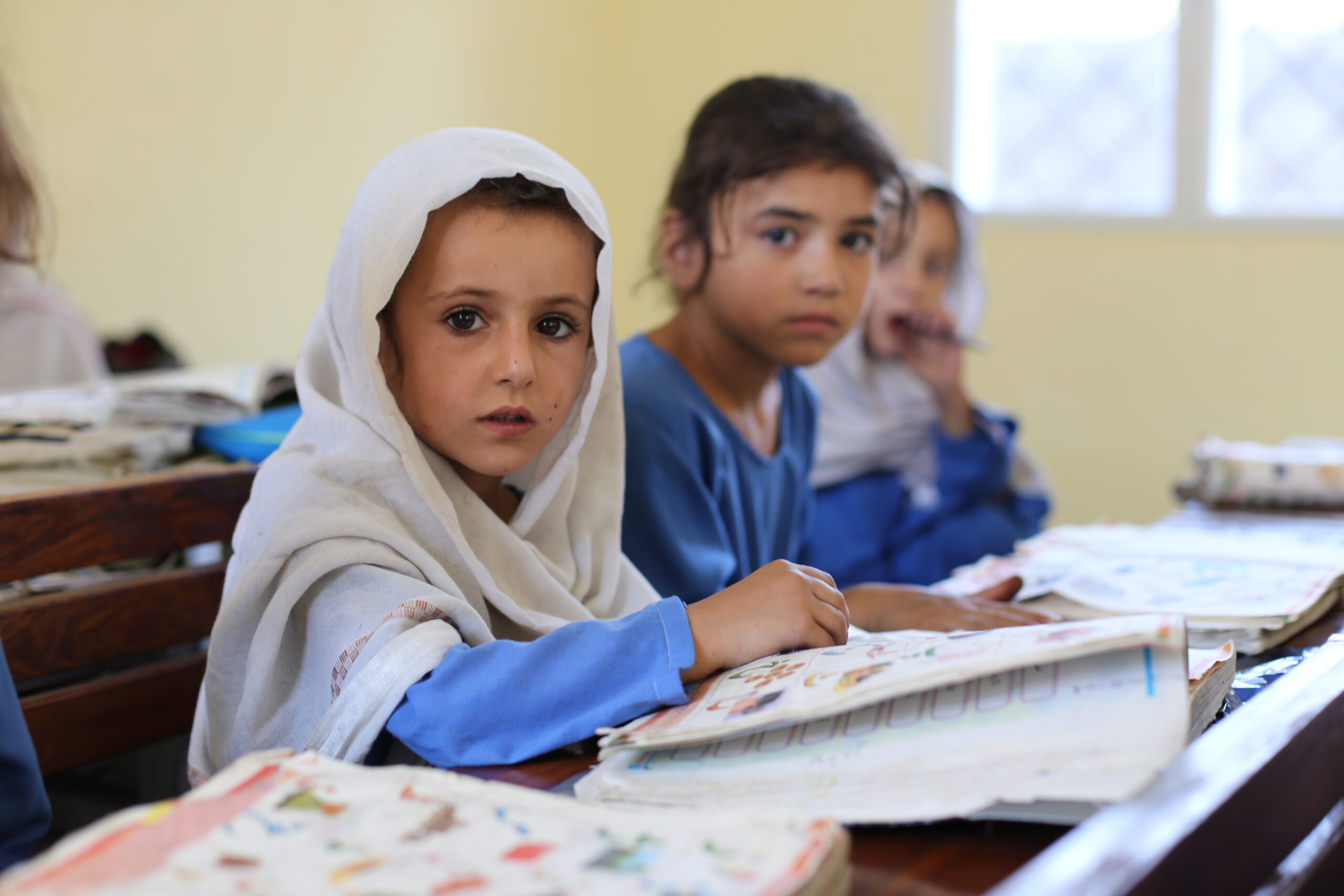
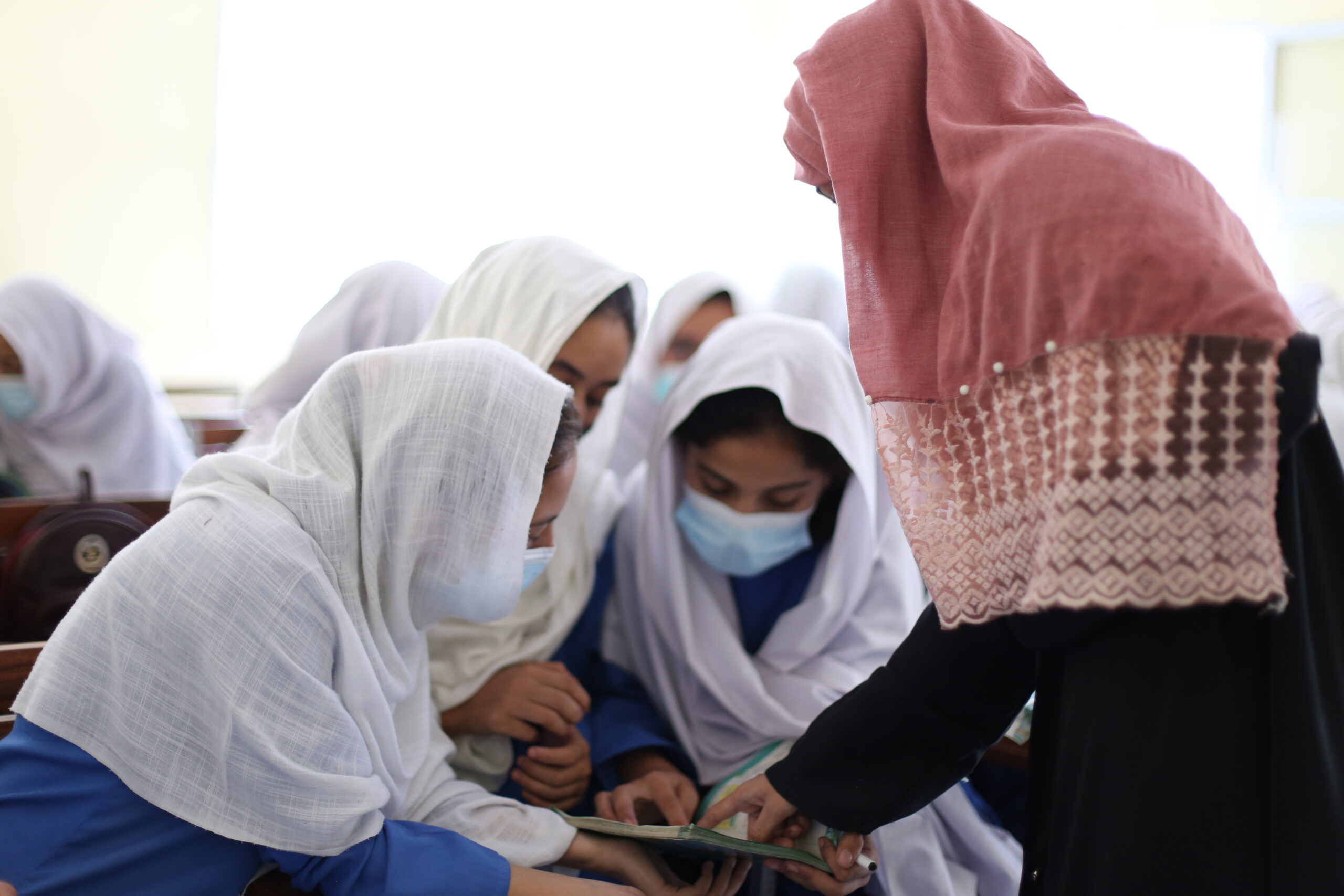
To create safe, inclusive, and child-friendly learning environments by rehabilitating and upgrading government schools while strengthening community engagement and school management systems
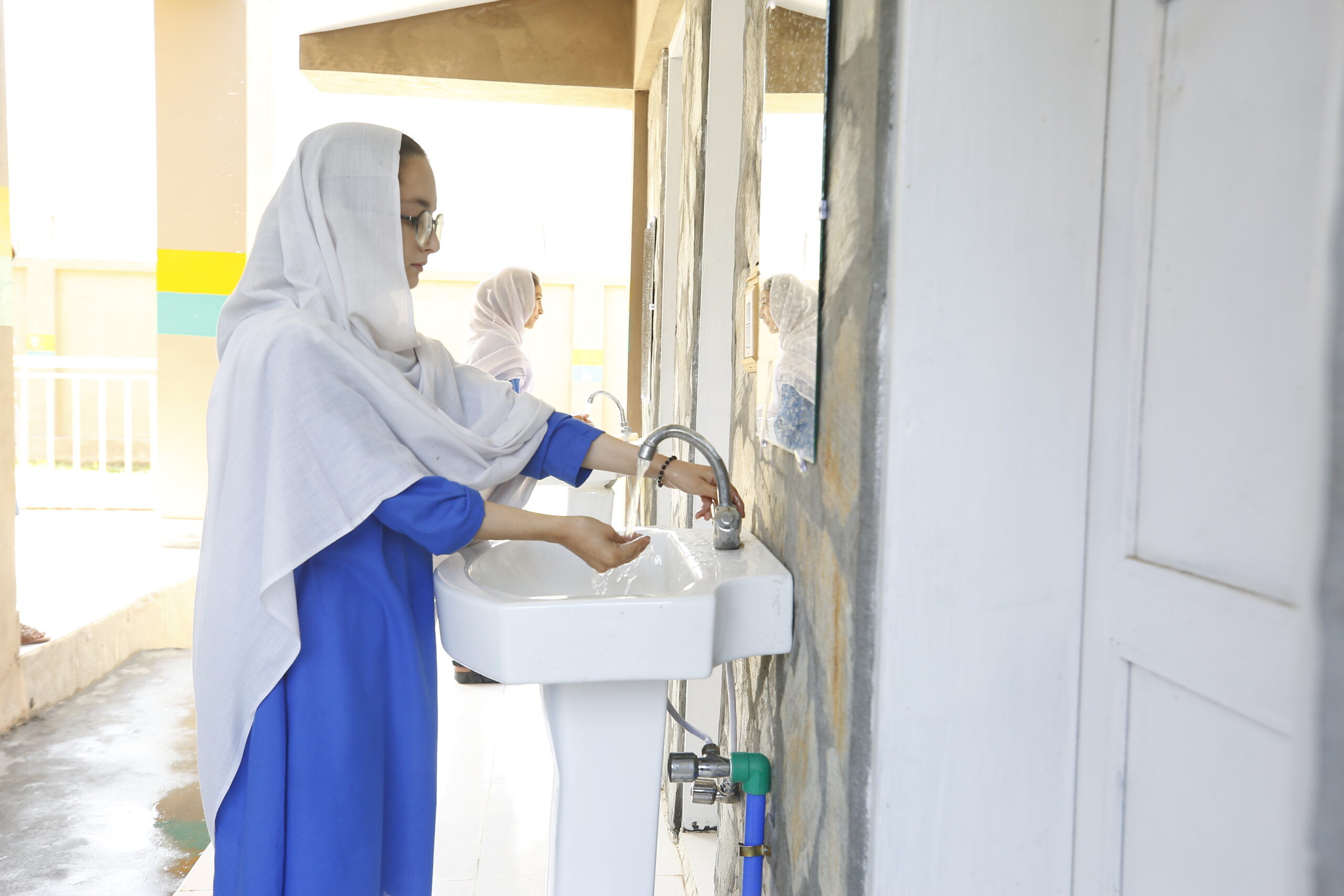
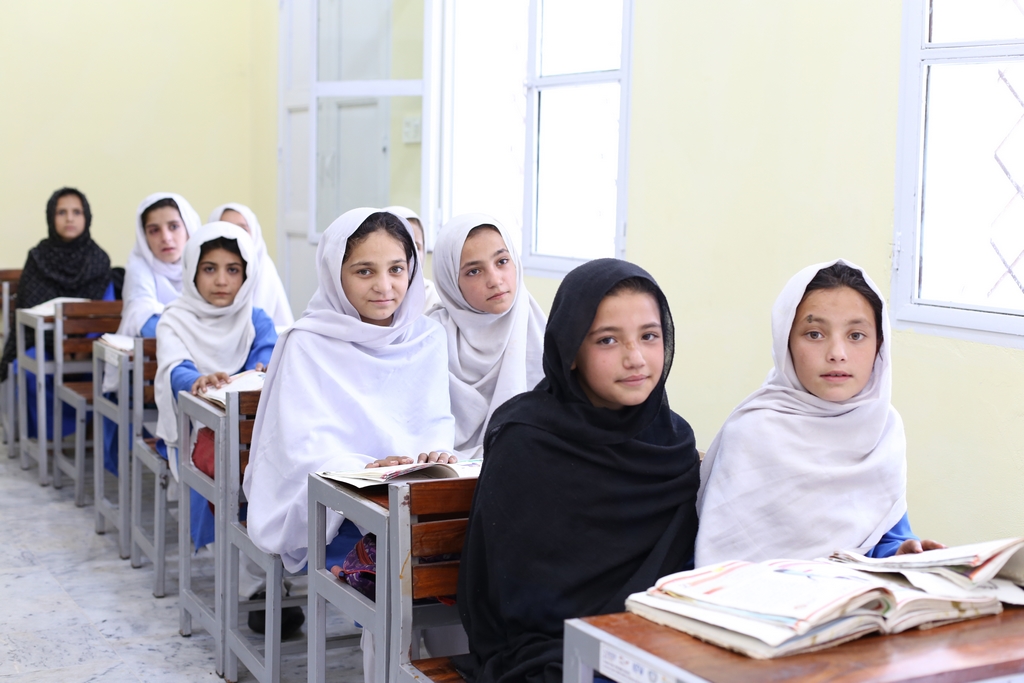
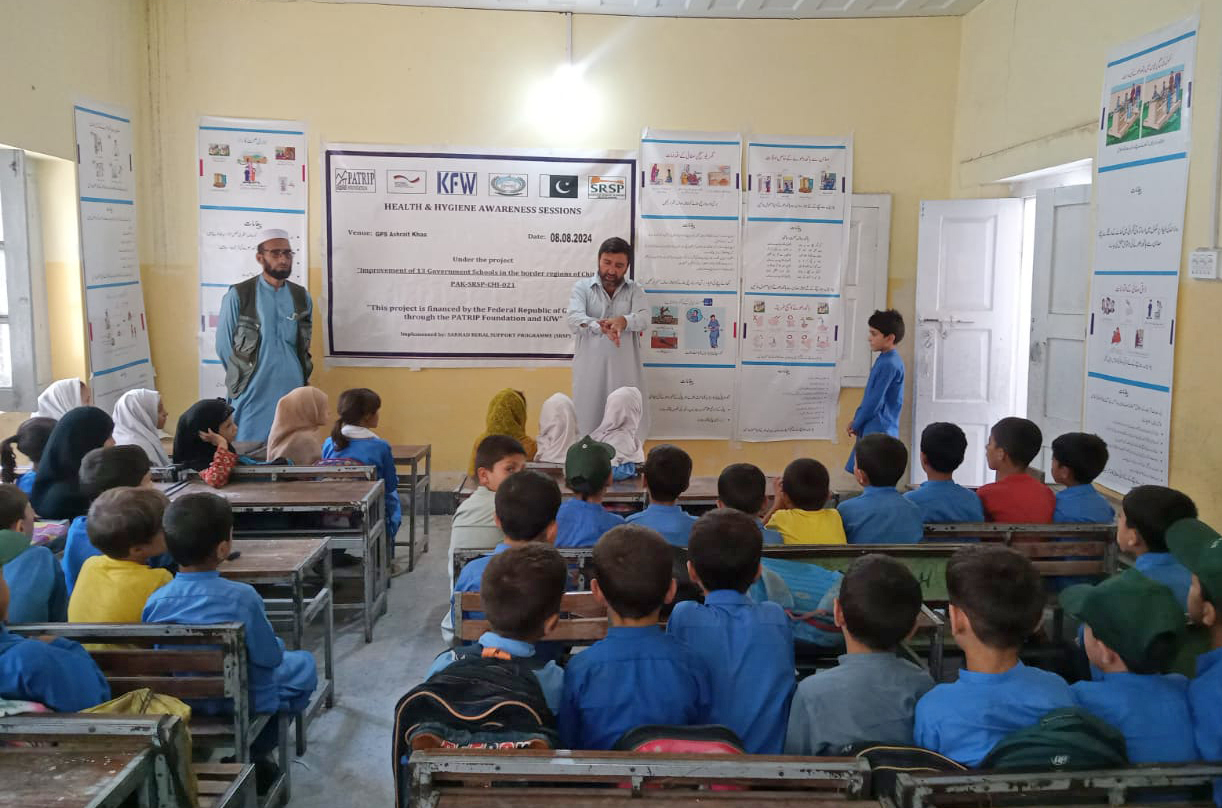
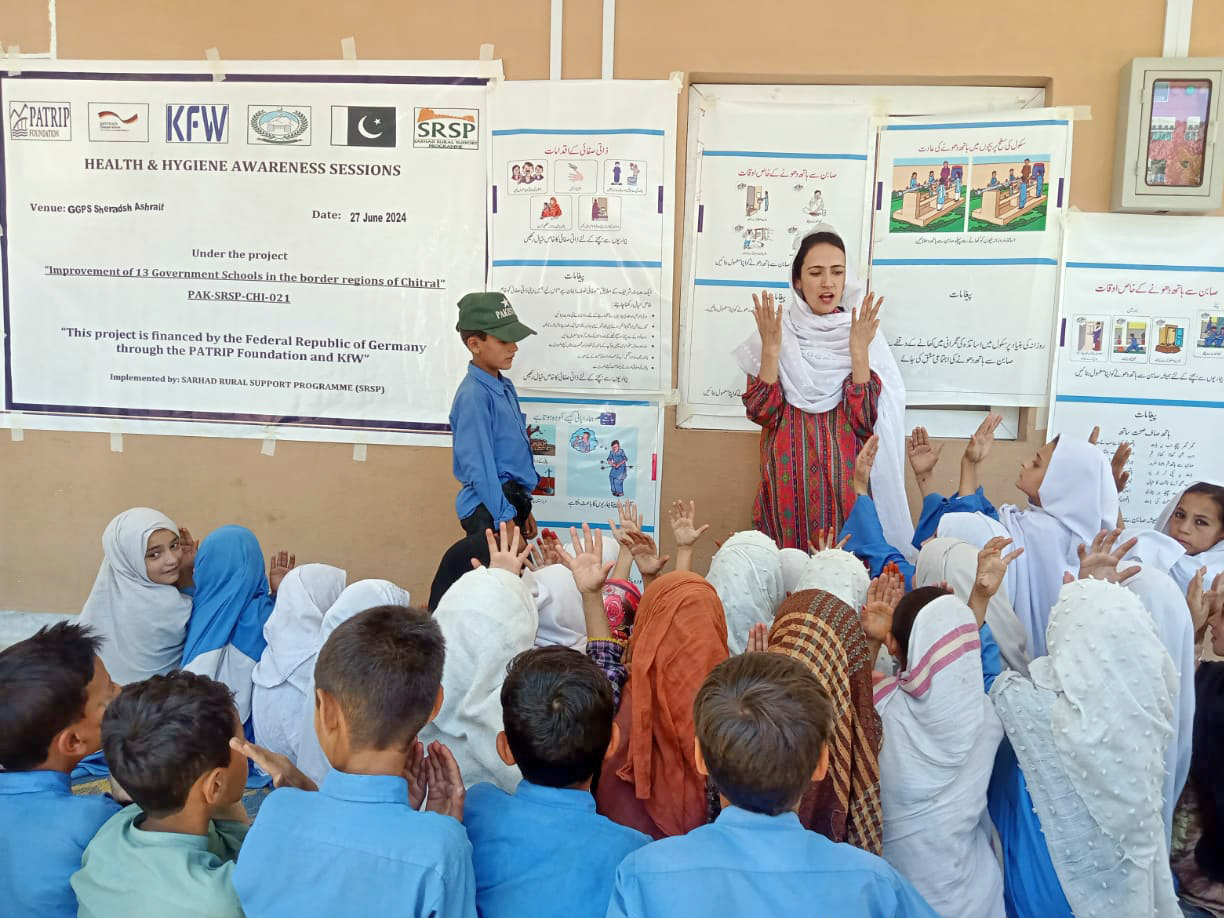
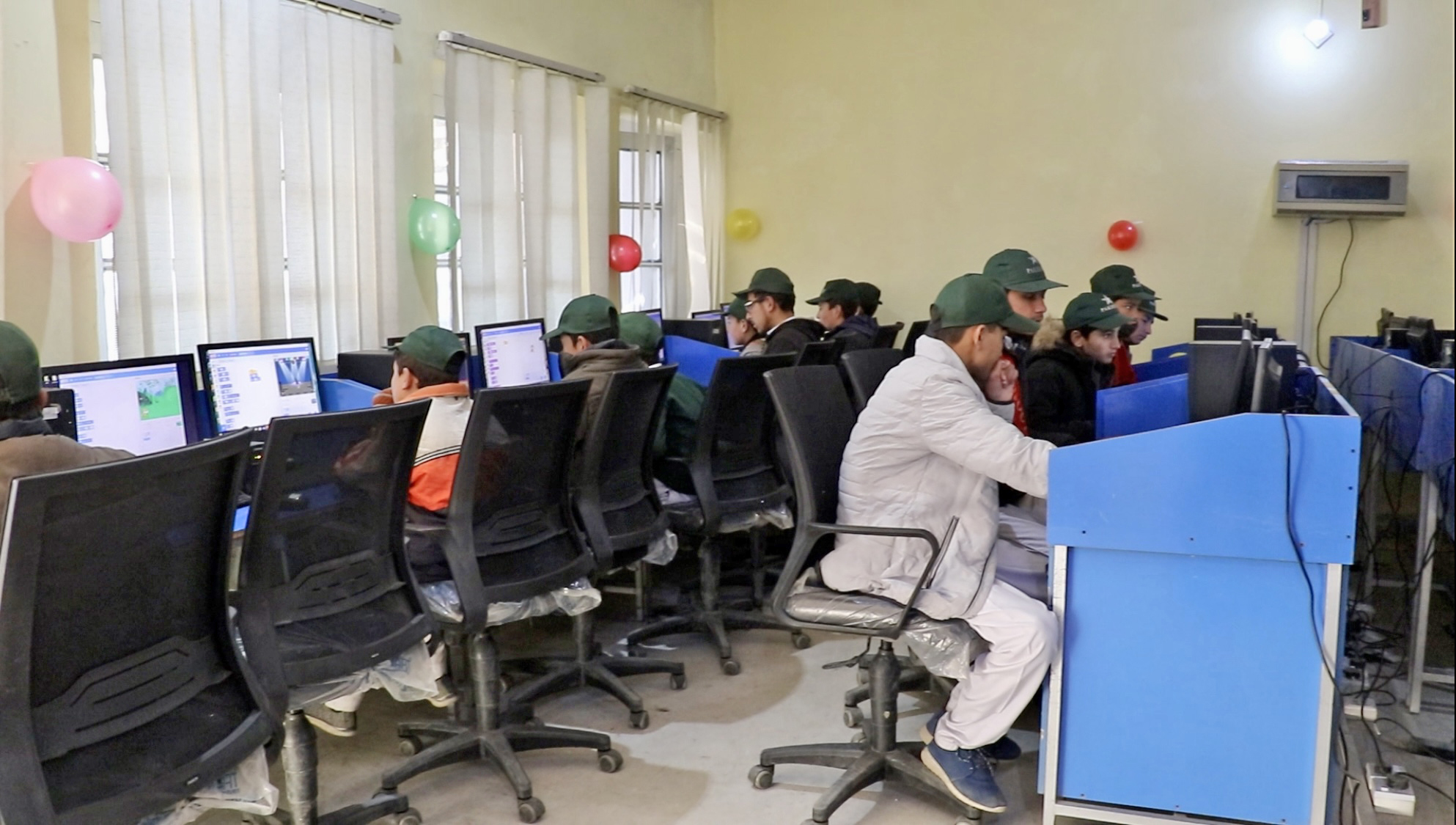
The project significantly improved learning conditions in UC Ashiret by providing safer, well-equipped, and child-friendly school environments. Improved facilities and solar energy enhanced school functionality, while strengthened PTCs increased community ownership and accountability. As a result, the initiative contributed to increased enrolment, better hygiene practices, and stronger linkages between schools and local communities—supporting long-term educational outcomes in this remote border region.