August 2024 – February 2025
Public Health / Immunization / Community Engagement

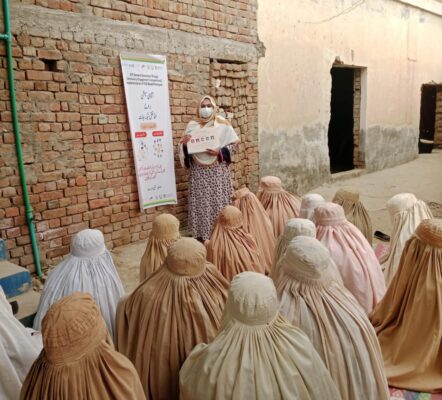
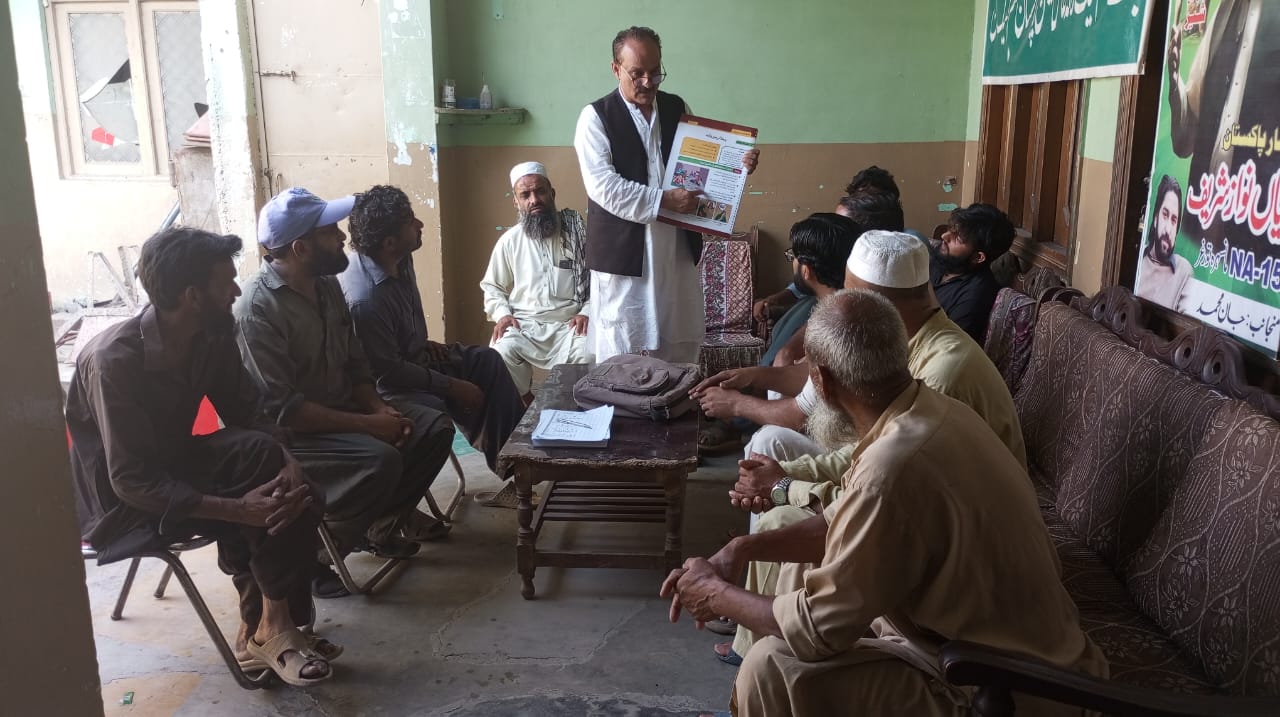
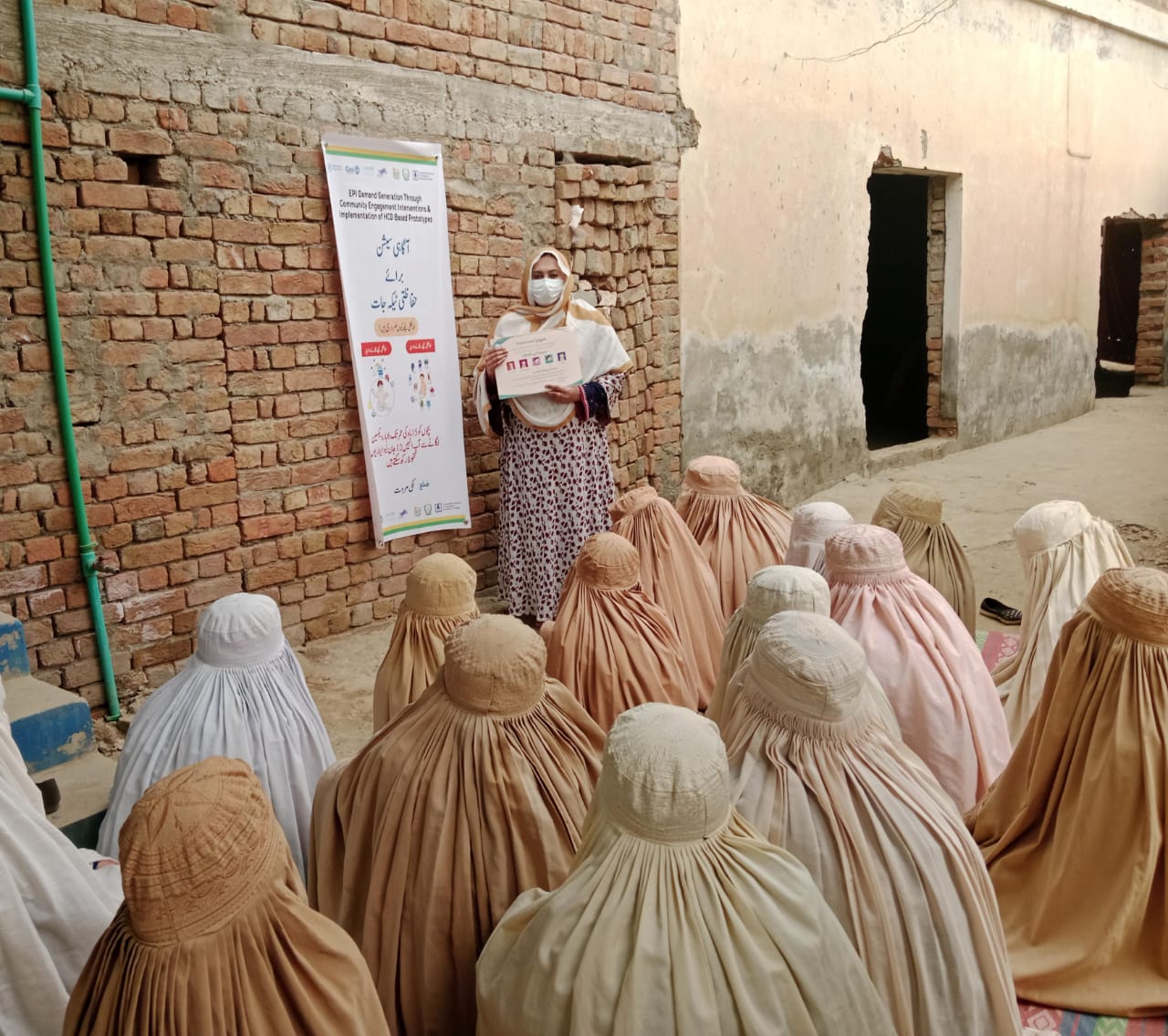
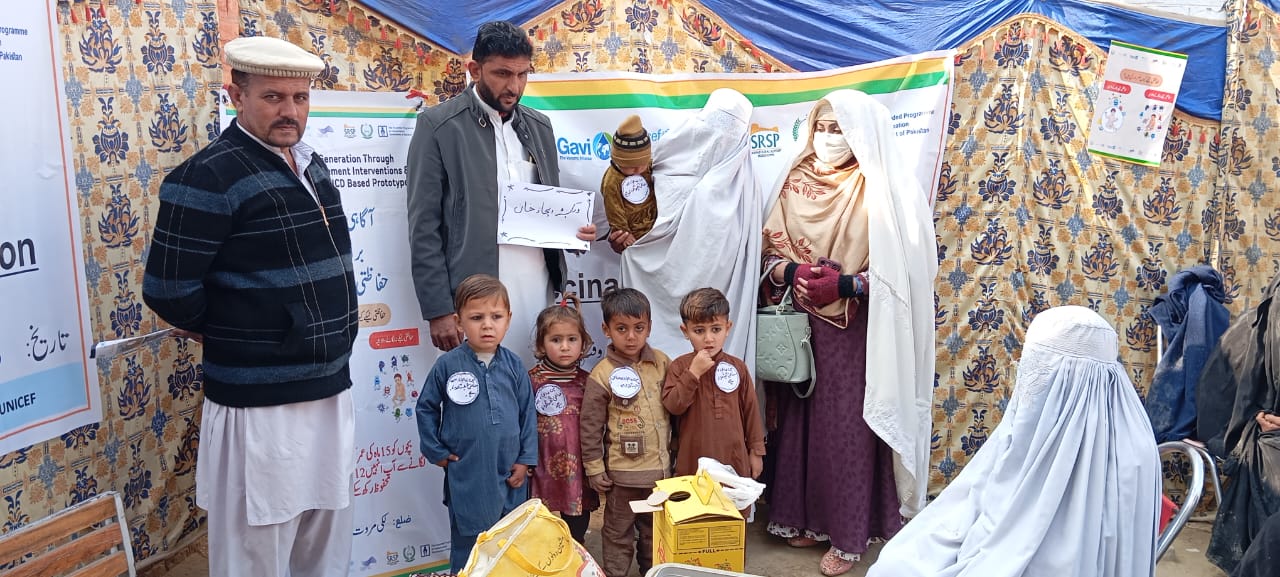
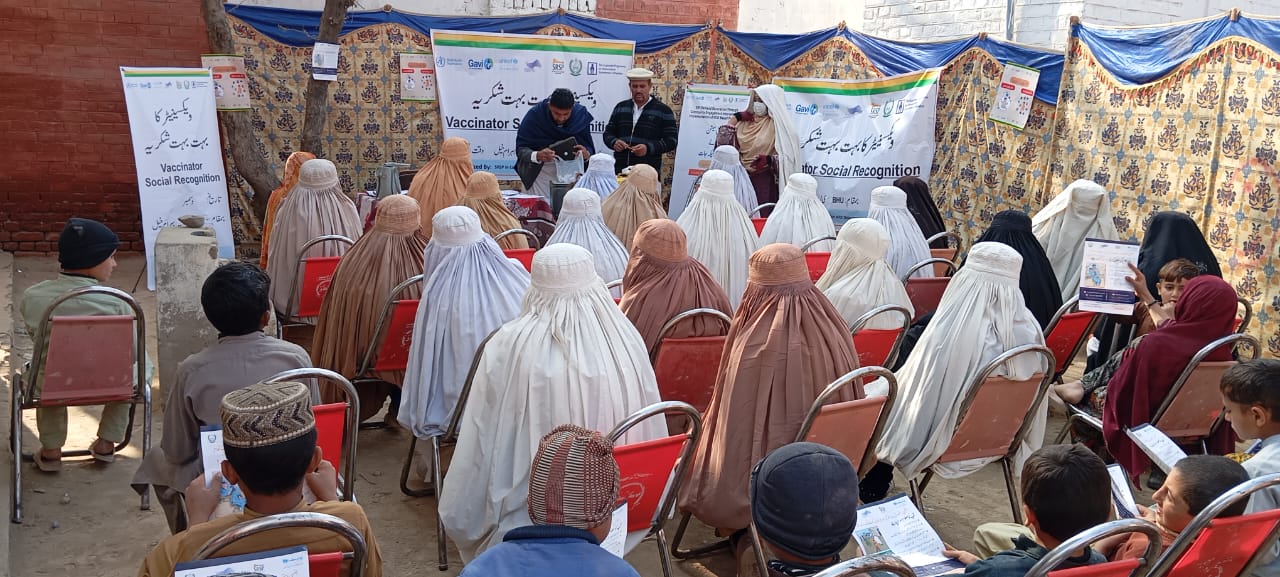
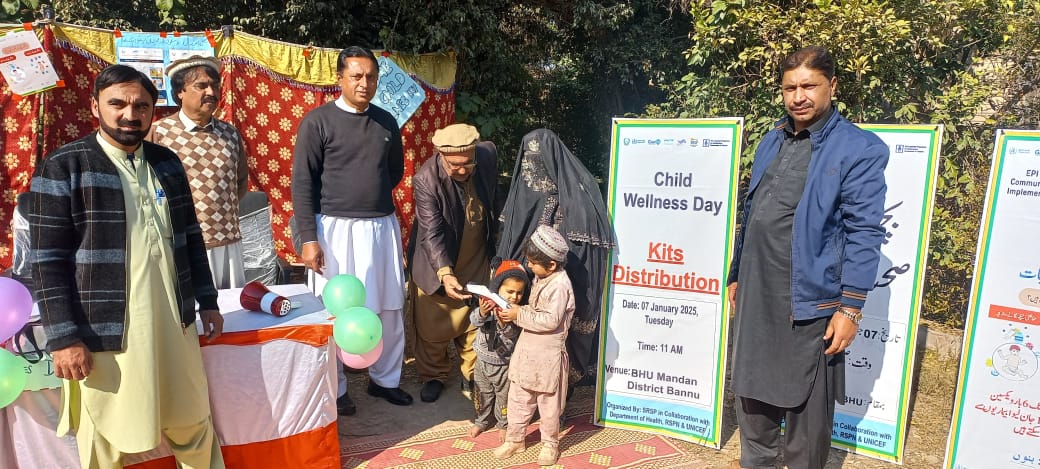
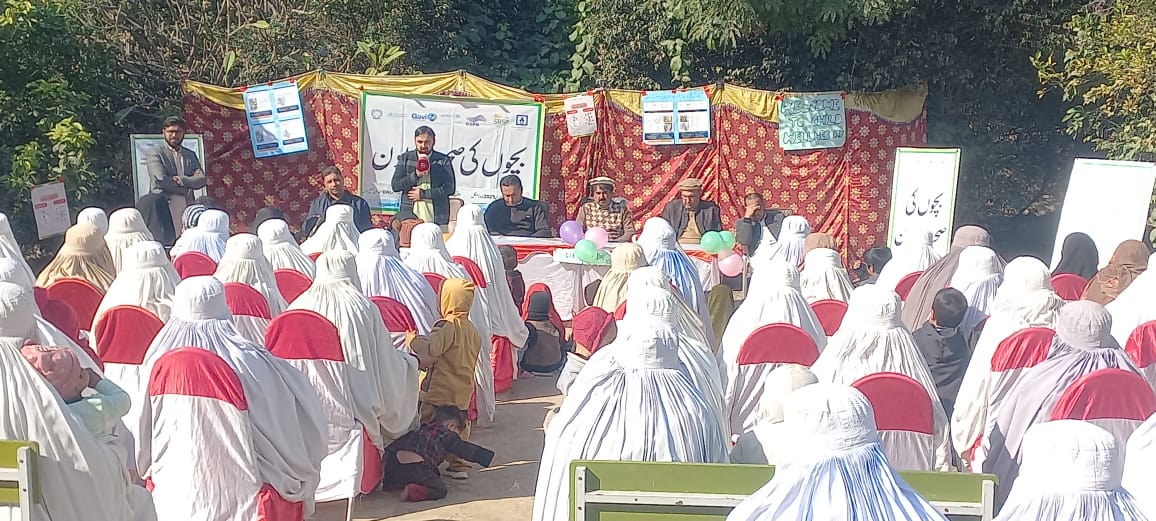
The Sarhad Rural Support Programme (SRSP) successfully implemented the EPI Demand Generation through Community Engagement Interventions initiative to strengthen routine immunization uptake in three high-priority districts of Khyber Pakhtunkhwa.
The project aimed to address vaccine hesitancy, improve awareness, and promote gender-responsive community engagement by applying Human-Centered Design (HCD) approaches. Through participatory methods, the initiative identified local barriers to vaccination and co-created context-specific solutions with communities, leaders, and health service providers.
To increase demand for routine immunization by addressing social, behavioral, and gender-related barriers through inclusive, community-driven engagement and strengthened coordination with public health systems.
The project significantly strengthened community trust and engagement around routine immunization. By mobilizing local leadership, institutionalizing community ownership, and integrating safeguarding mechanisms, the initiative contributed to improved intent to vaccinate and stronger linkages between communities and immunization services in high-risk districts.