Livelihoods / Health / Nutrition / WASH / Protection
Funded By:
Project Brief
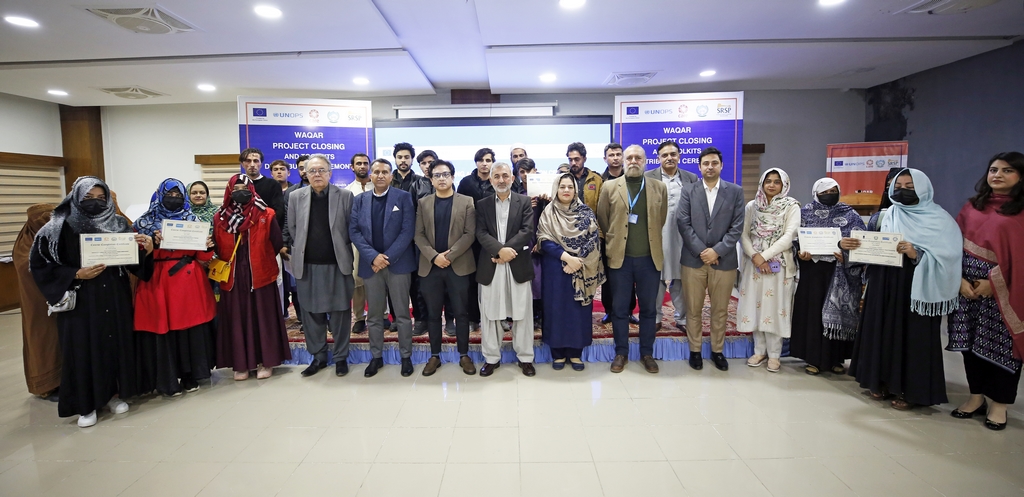
It is pertinent to mention that Sarhad Rural Support Programme (SRSP), in partnership with CARE International, successfully implemented WAQAR Project to strengthen livelihoods and access to integrated health, and WASH services for Afghan refugees, displaced populations, and host communities in District Kohat.
I t is to mention further that the project aimed to enhance economic resilience, improve health and nutrition outcomes, promote safe water and sanitation practices, and strengthen community-based protection mechanisms, with a strong focus on women’s empowerment and inclusion.
Objective
To improve the socio-economic wellbeing and resilience of displaced and host communities via strengthening livelihood opportunities, enhancing access to quality health and nutrition services, and improving WASH infrastructure and practices particularly for women and vulnerable populations.
Summary of Achievements
During the implementation period, the WAQAR Project achieved significant results across livelihood development, health and nutrition, protection, and WASH services. Key accomplishments included
Livelihoods and Economic Empowerment:
Health, Nutrition, and Protection:
35,711 pregnant women and children were screened for malnutrition.
100 Lady Health Workers (LHWs) were trained on Community-based Management of Acute Malnutrition (CMAM).
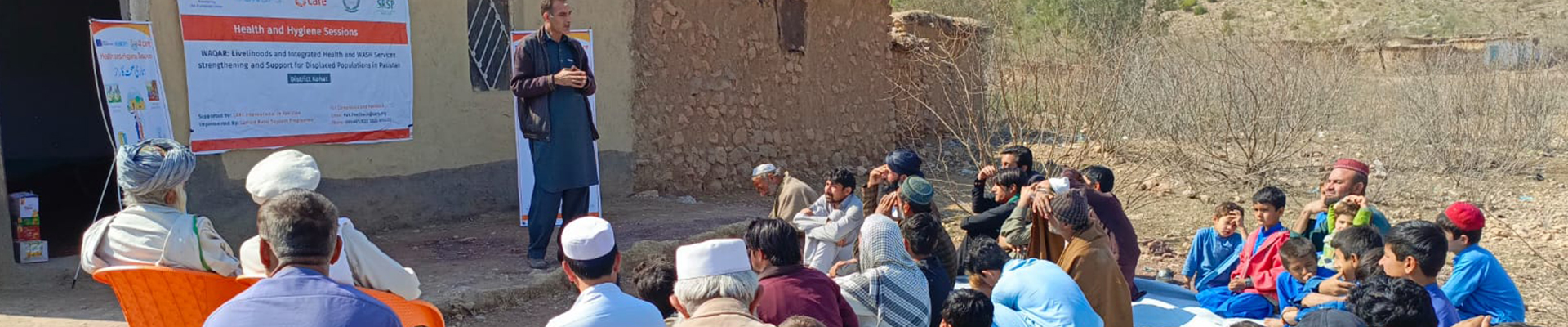
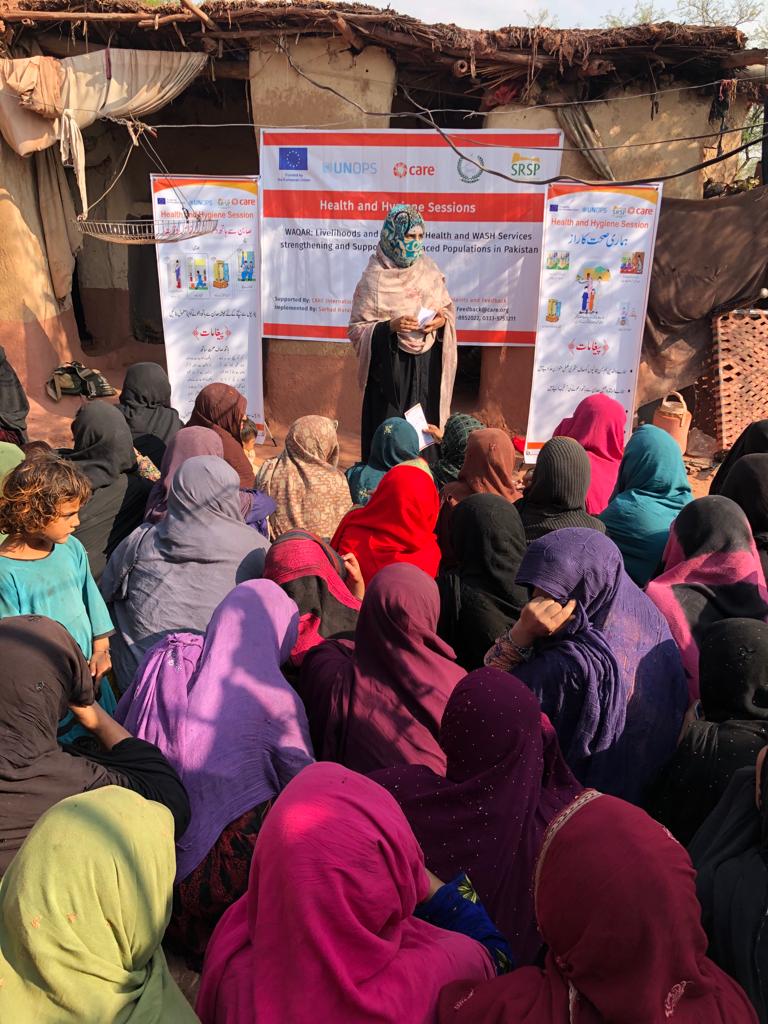
190 health and hygiene sessionsreached4,019 people at community and facility levels.
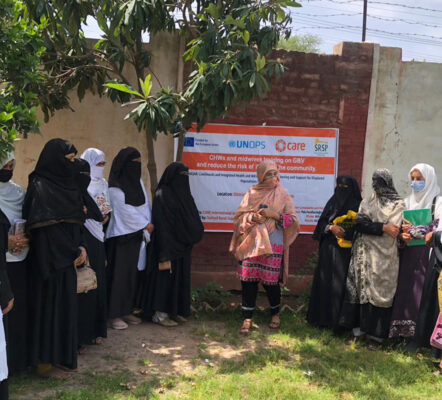
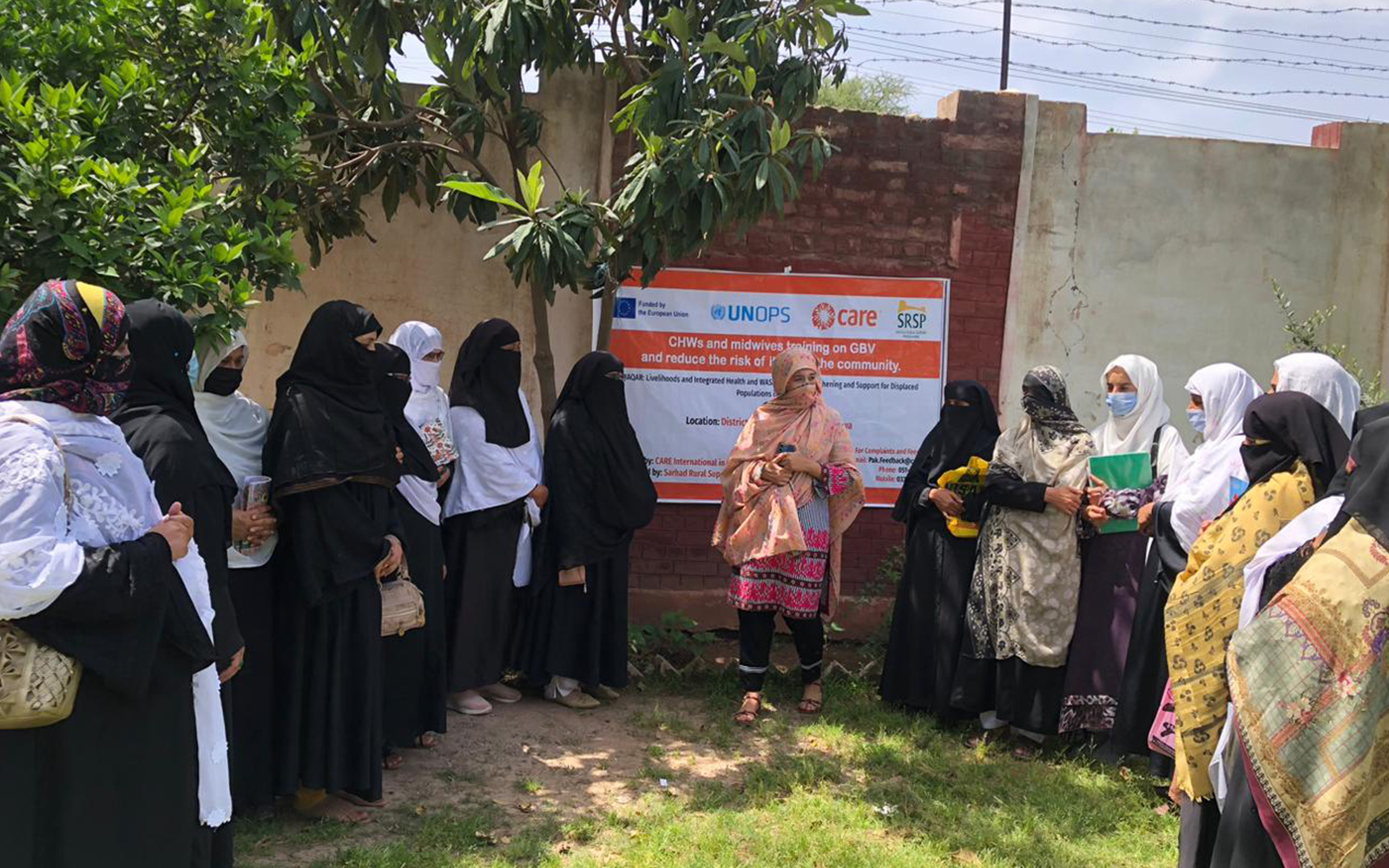
were trained on Gender-Based Violence (GBV) identification
100 Community Health Workers, midwives, and referral pathways.
A district wide awareness campaign reached 172,724 people through radio messaging and community banners.
Water, Sanitation, and Hygiene (WASH):
200 water treatment sessions trained 1,600 individuals on safe water practices.
WASH upgrades were completed in five primary health facilities, improving sanitation, water quality, and infection prevention.
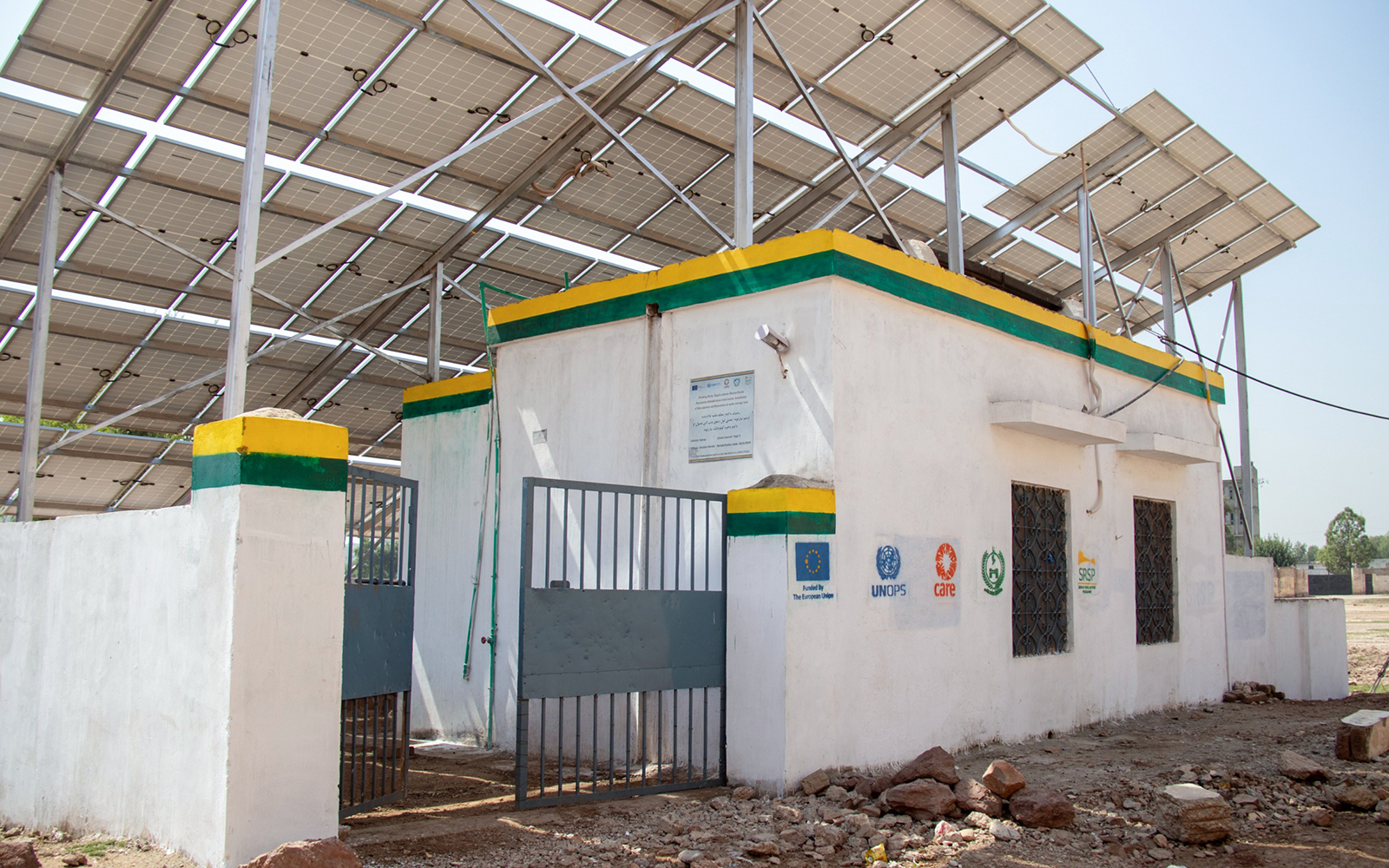
Drinking water systems were rehabilitated in Ghulam Banda and Naway Kalay, benefiting 3,330 households with reliable clean water.
10 communal hand pumpsand115 household latrineswere rehabilitated or constructed.
46 WASH One-Stop Shops were established, enabling access to sanitation products while generating income for local vendors.
878 individualsdirectly benefited from livelihood support interventions.
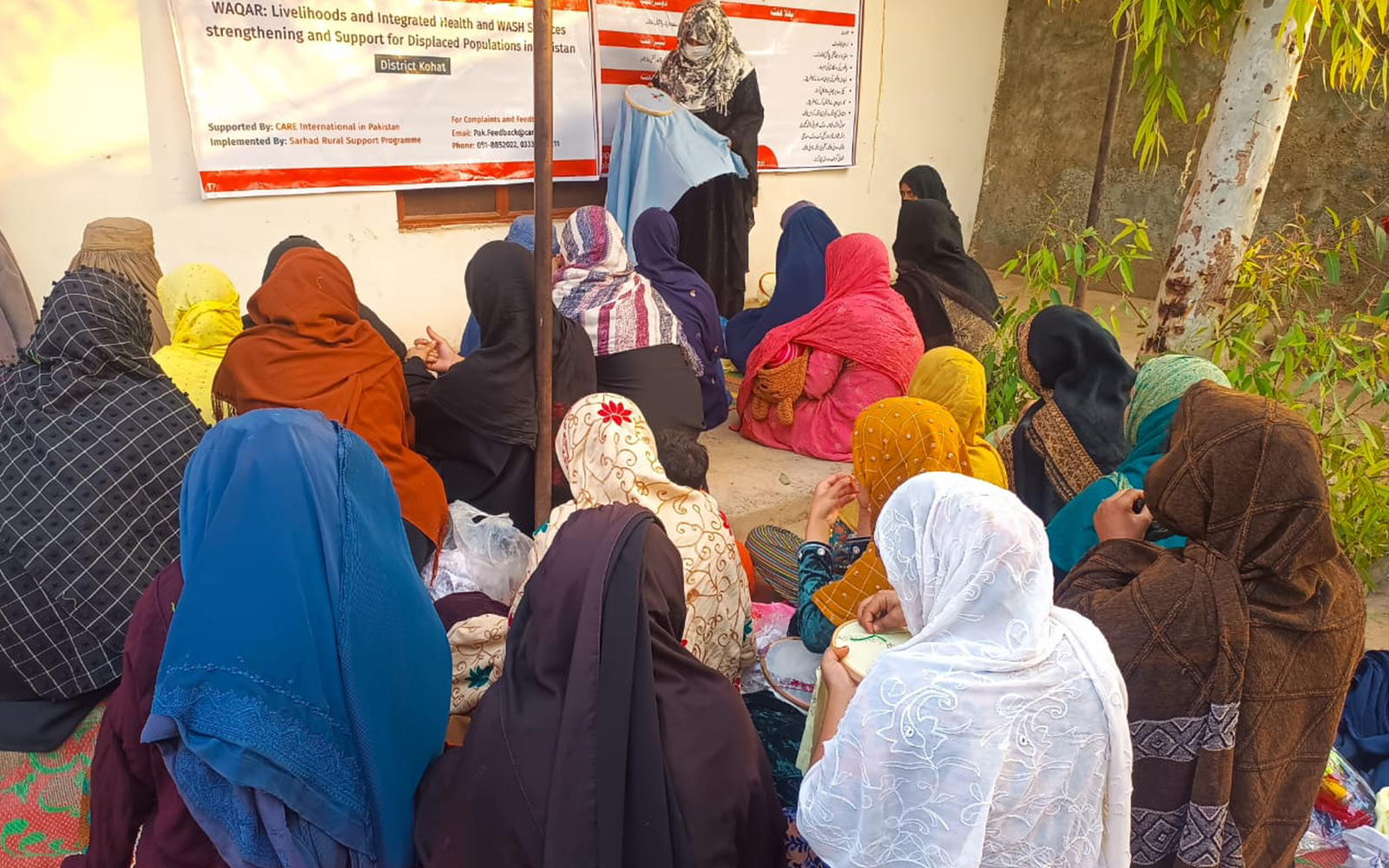
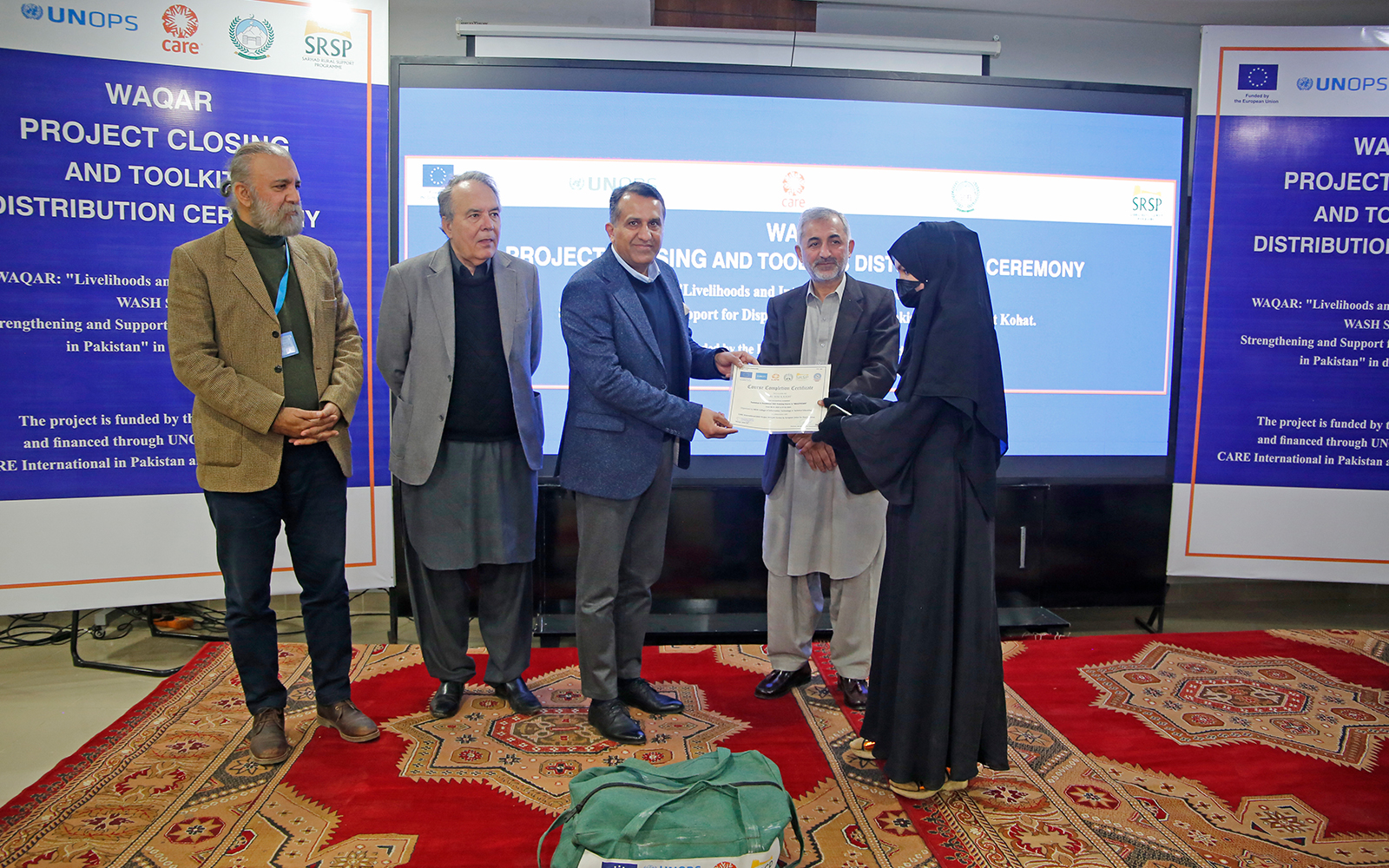
150 individuals (100 women, 50 men) received vocational and technical skills training with toolkits; 127 graduates reported monthly earnings ranging from PKR 2,000–8,000.
100 trainees completed apprenticeships, leading to employment or the establishment of home-based businesses.
100 beneficiaries received Business Development and Life Skills Training to enhance enterprise readiness.
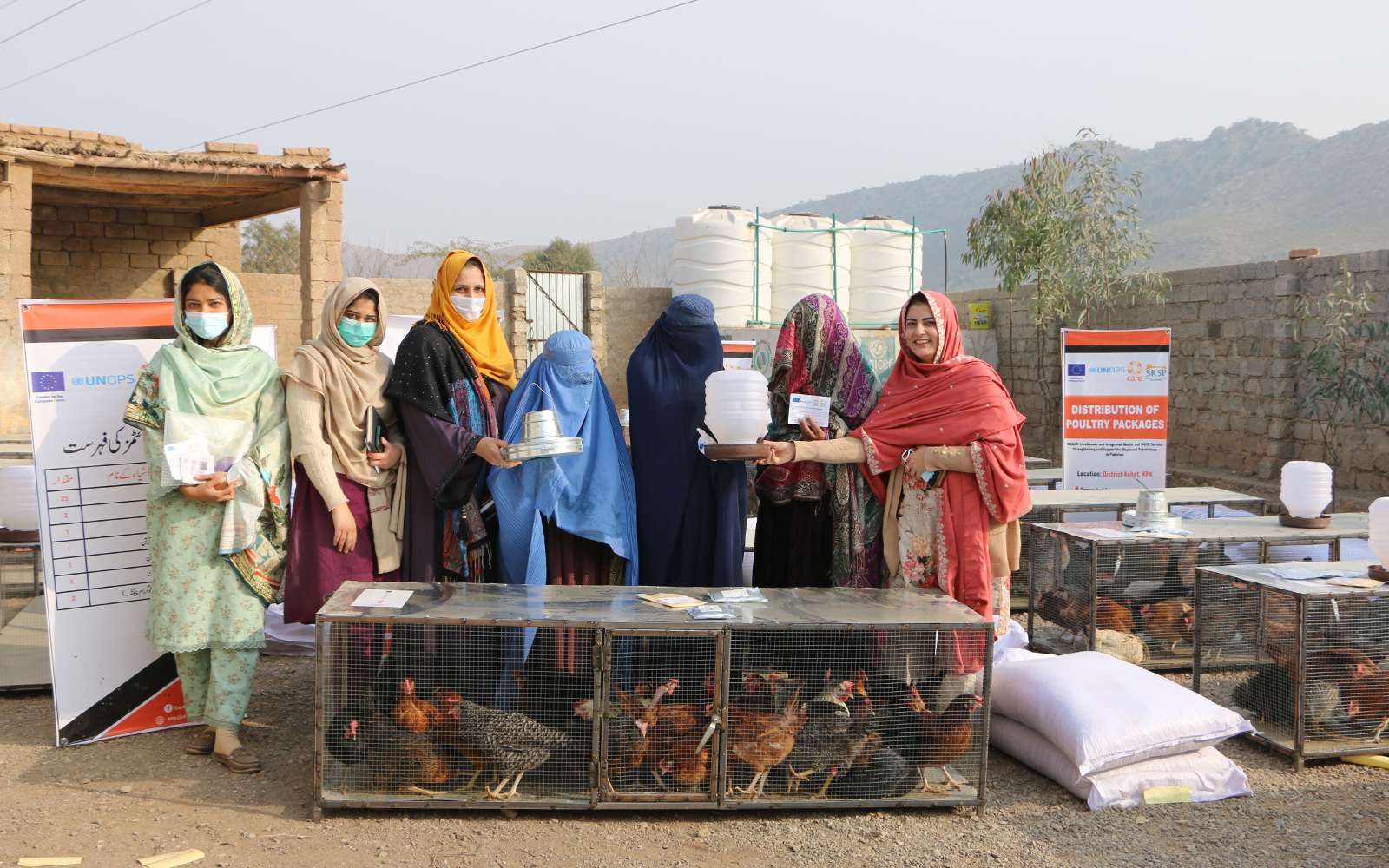
682 livelihood packages (poultry, livestock, and kitchen gardening) were distributed, enabling over 550 beneficiaries (81%) to generate income.
Five women-led VSLAs mobilized 70 Afghan women, with 26 women accessing loans to start micro-businesses.
Five trade associations linked 100 producers with local markets.
Impact
The WAQAR Project significantly improved livelihoods, access to essential health and nutrition services, and availability of safe water and sanitation for displaced and host communities in District Kohat. By integrating economic empowerment with health, protection, and WASH interventions, the project strengthened community resilience, enhanced women’s participation in economic activities, and contributed to sustainable, inclusive development for vulnerable populations.