Disbursement of Interest-Free Loans
Project Brief
The Sarhad Rural Support Programme (SRSP), in collaboration with the United Nations Development Programme (UNDP), successfully implemented the Disbursement of Interest-Free Loans Project to enhance financial inclusion and stimulate socio-economic growth among economically disadvantaged populations in Khyber Pakhtunkhwa.
The 16-month initiative focused on expanding access to interest-free microfinance, strengthening community-based financial institutions, and equipping beneficiaries with basic enterprise development skills to ensure responsible borrowing and sustainable income generation.
Objective
- To promote inclusive economic growth by providing interest-free loans to vulnerable households, strengthening village-based financial systems, and building beneficiaries’ capacity for sustainable micro-enterprise development.
Summary of Achievements
Community Outreach and Awareness:
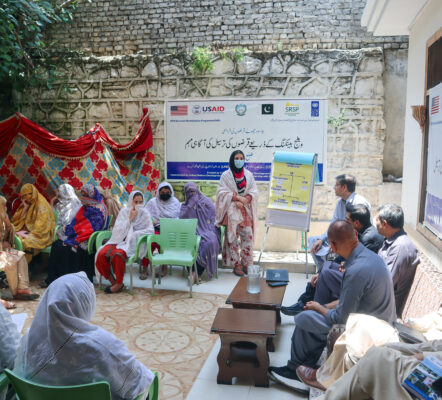
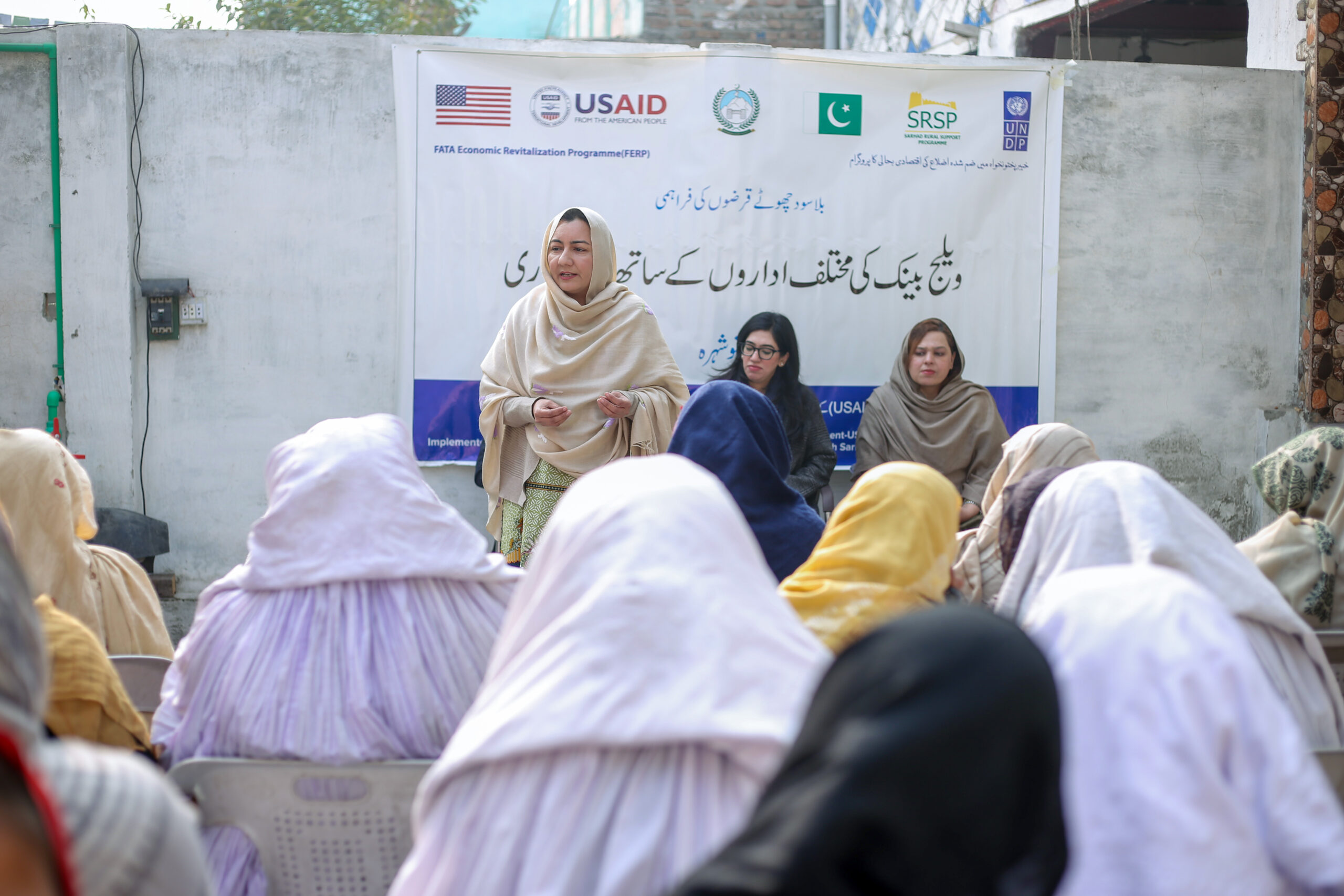
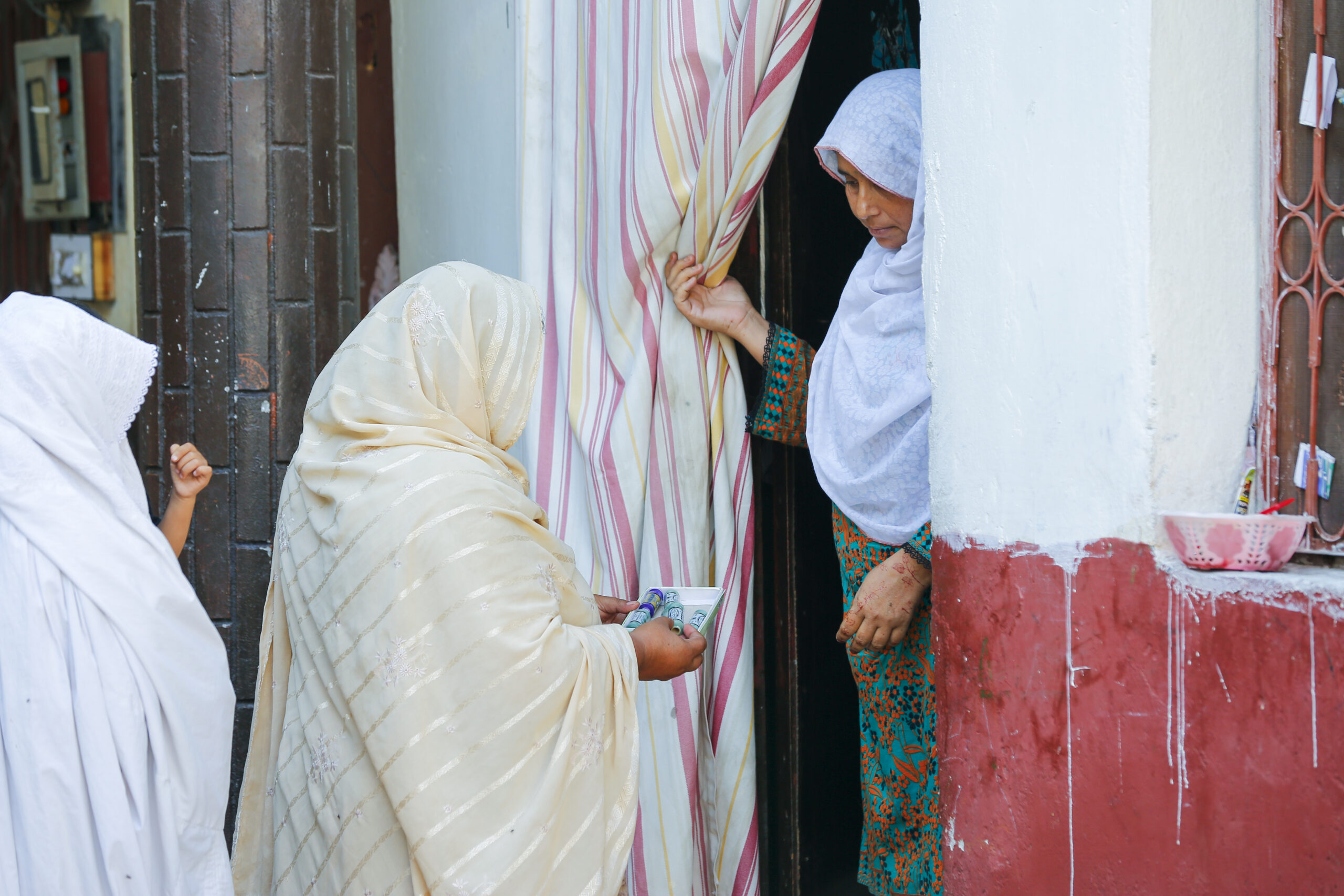
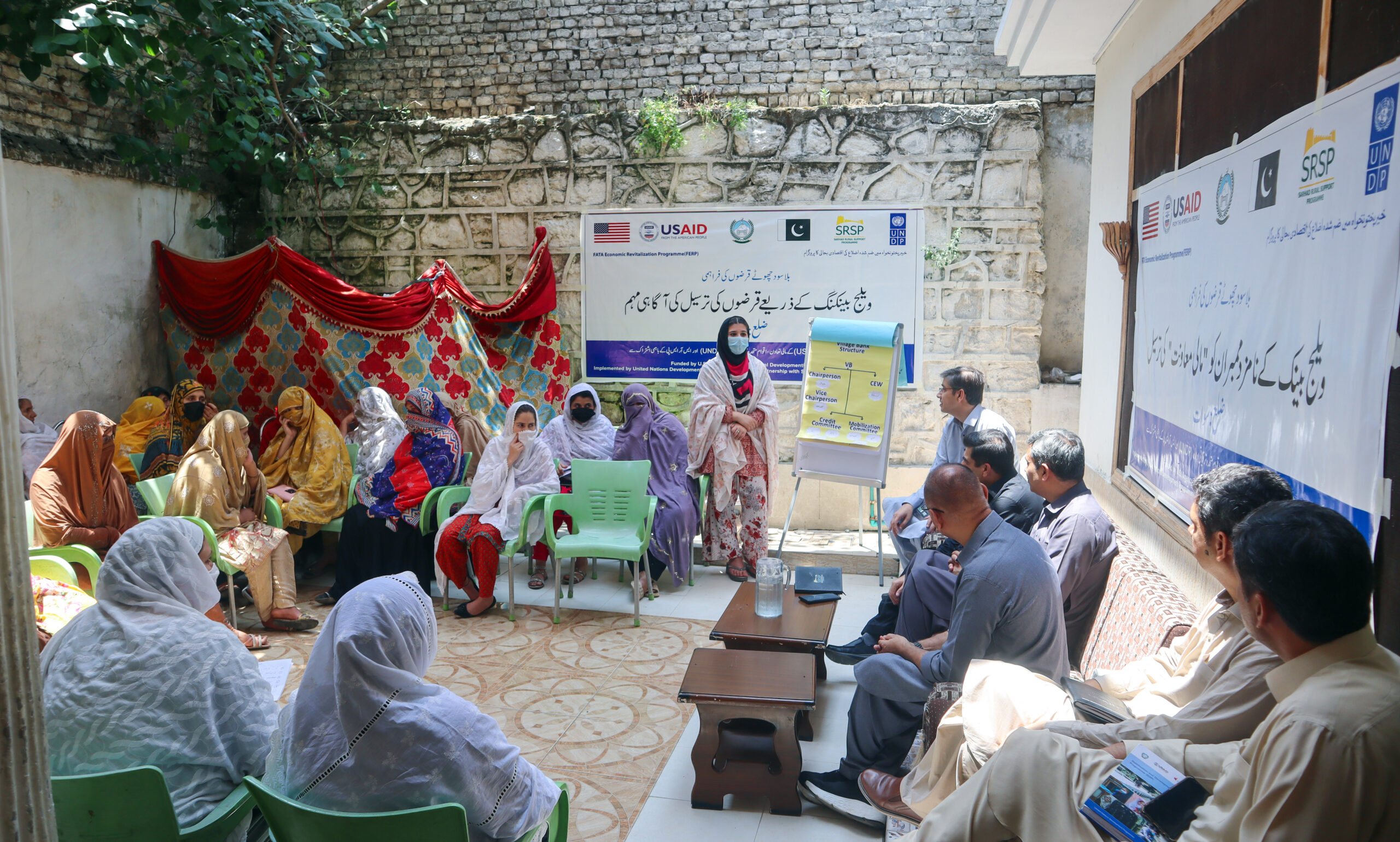
- Conducted 291 community awareness and outreach sessions, reaching approximately 2,744 participants across target districts.
- Sessions increased understanding of interest-free financing, eligibility criteria, and responsible borrowing.
Capacity Building and Enterprise Development:
- As per project design, beneficiaries completed a mandatory one-day enterprise development training prior to loan disbursement.
- Village Banks (VBs)organized and facilitated trainings to ensure readiness for enterprise start-up or expansion.
Financial Inclusion and Loan Disbursement:
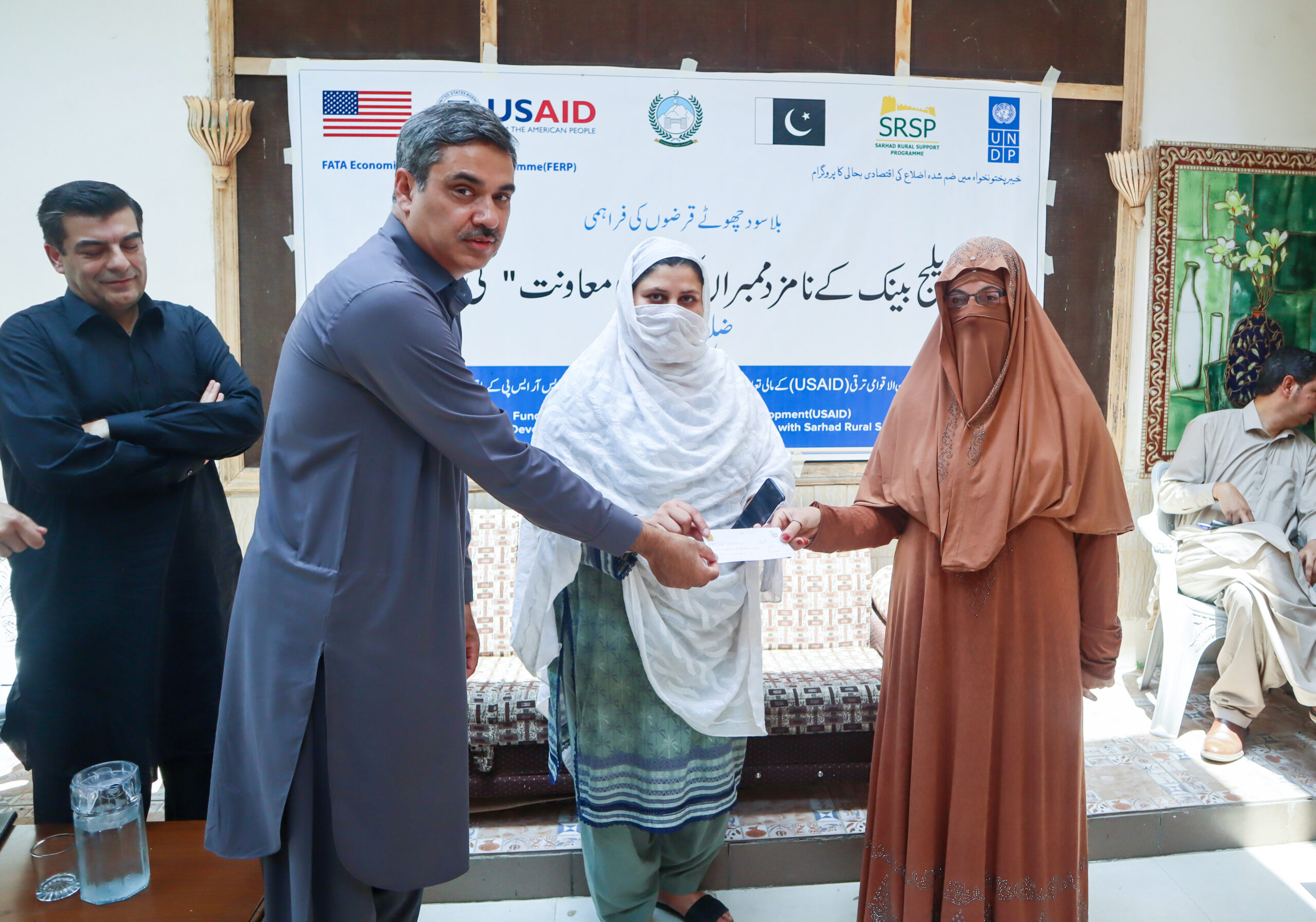
- 2,701 interest-free loans were successfully disbursed to eligible beneficiaries.
- Seven Village Banks (VBs) were established to support implementation and governance of the lending mechanism.
- District Swat was successfully integrated into the microfinance mainstream, expanding access to formal, community-managed financial services.
Impact
The project significantly strengthened financial inclusion in Nowshera and Swat by providing interest-free capital coupled with enterprise training. Community awareness, institutional strengthening through Village Banks, and responsible lending practices enabled beneficiaries to initiate or expand income-generating activities. By mainstreaming microfinance in Swat and establishing durable community financial structures, the initiative contributed to sustainable livelihoods, economic resilience, and long-term socio-economic stability for vulnerable households.