
SRSP is implementing this multisector project that aims at improving the resilience, socio-economic conditions, and peaceful coexistence of Afghan refugees (FDPs) and Host Communities (HCs) in KP. Covering 89 villages across eight districts - Peshawar, Charsadda, Nowshera, Mardan, Sawabi, Haripur, Abbottabad, Mansehra - the project adopts a holistic model combining social cohesion, economic empowerment, WASH improvements, and gender-based violence (GBV) prevention and response. The overall goal is to promote climate-resilient livelihoods, reduce gender disparities, and strengthen community-led mechanisms for social harmony and local development.
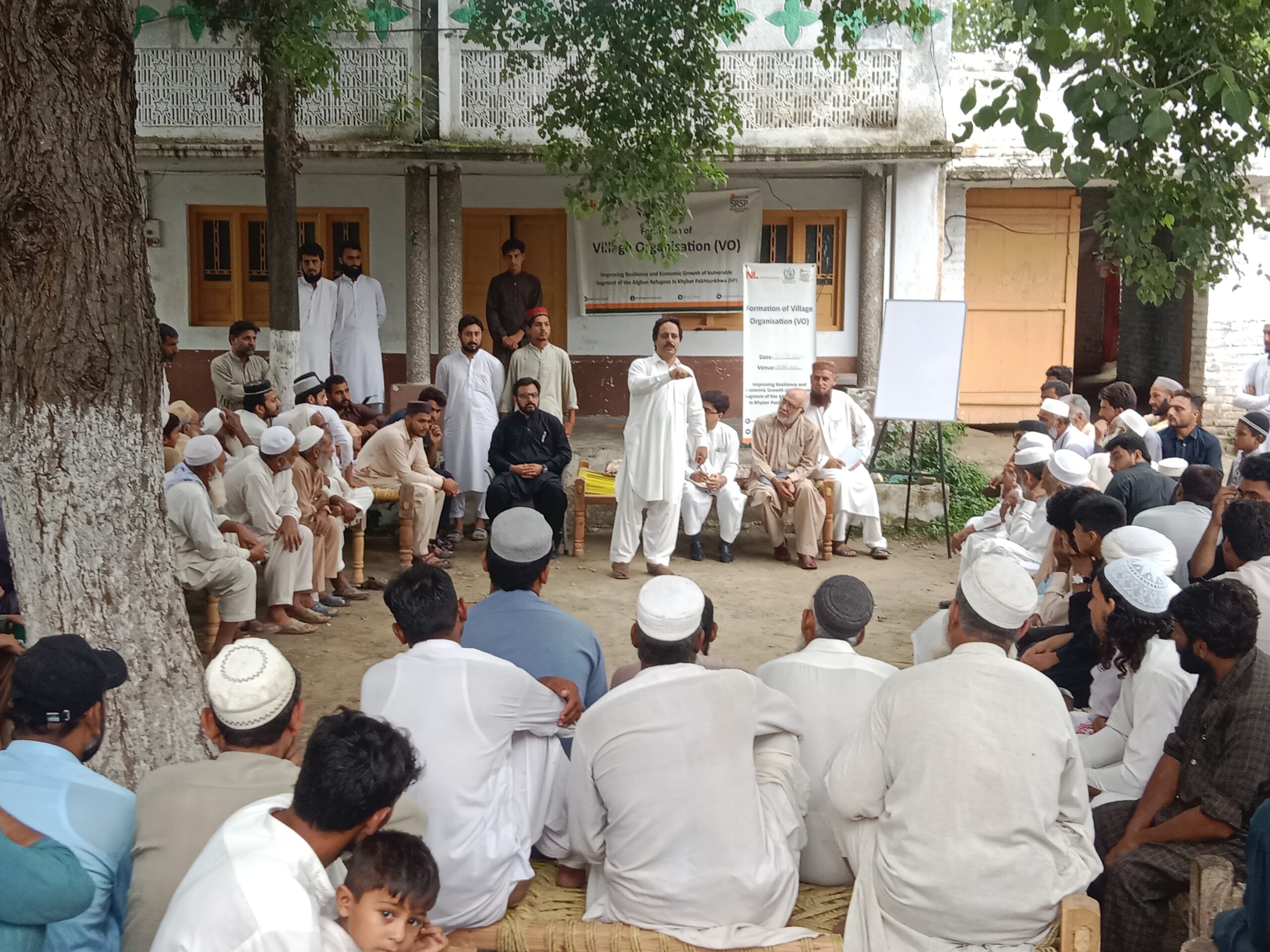
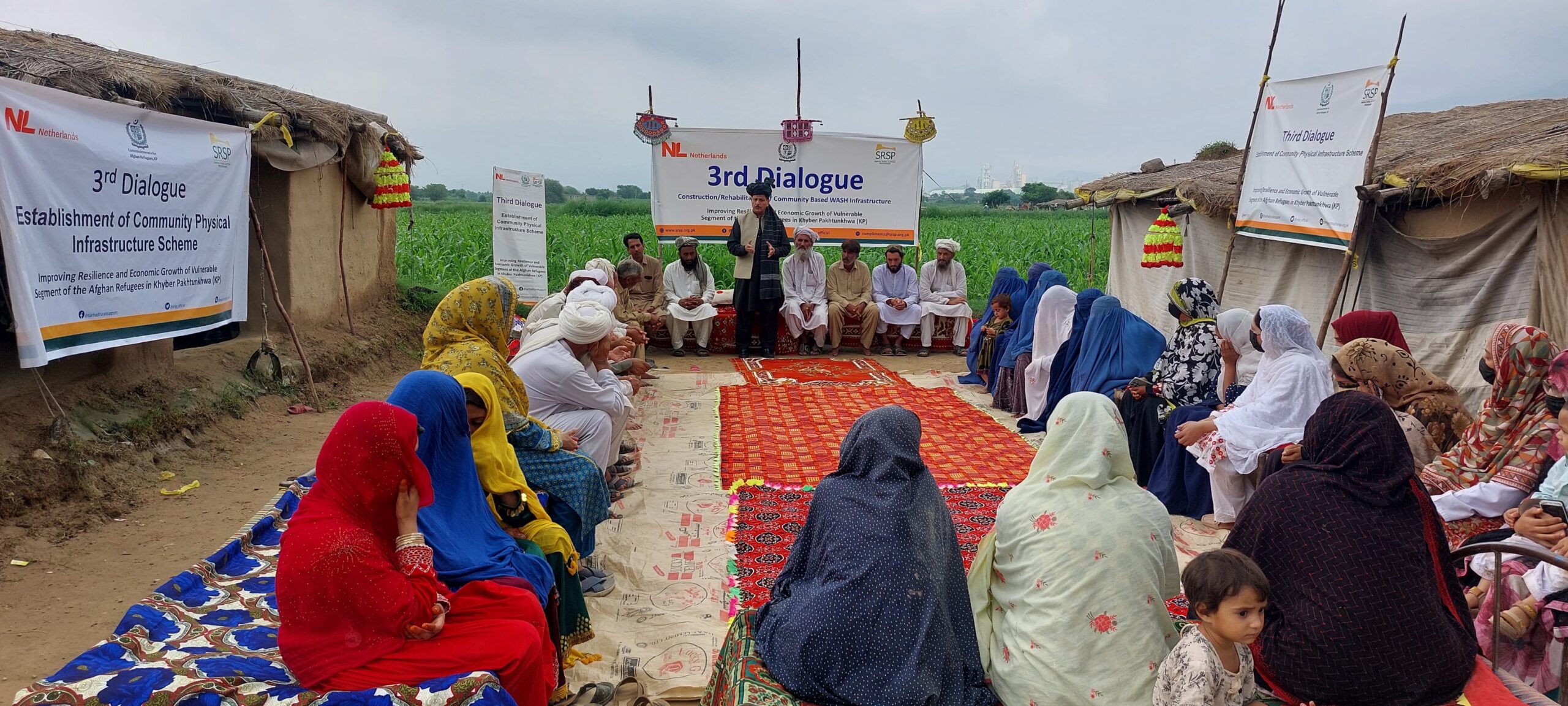
During the reporting period, SRSP made significant progress in strengthening grassroots institutions and building trust between FDPs and host communities. A total of 118 Community Organizations (COs) were formed, engaging 2,509 members—including 1,225 FDPs and 1,284 HCs. Of these, 50 groups were women-led, helping promote inclusive representation. To enhance governance and leadership, 111 COs received Community Management Skills Training, while 95 COs participated in Leadership and Management Skills Training with exposure visits. These interventions helped communities independently plan, manage, and monitor local initiatives.
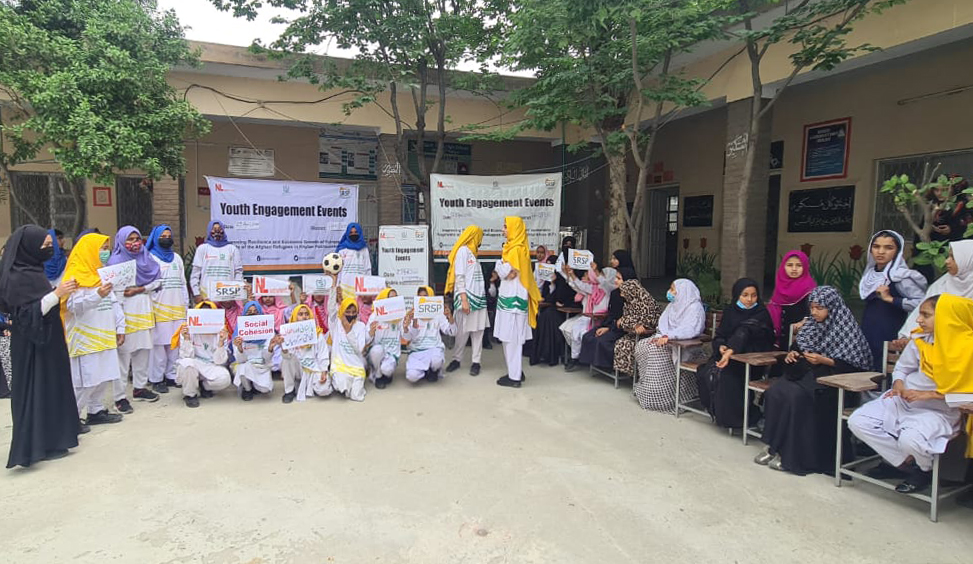
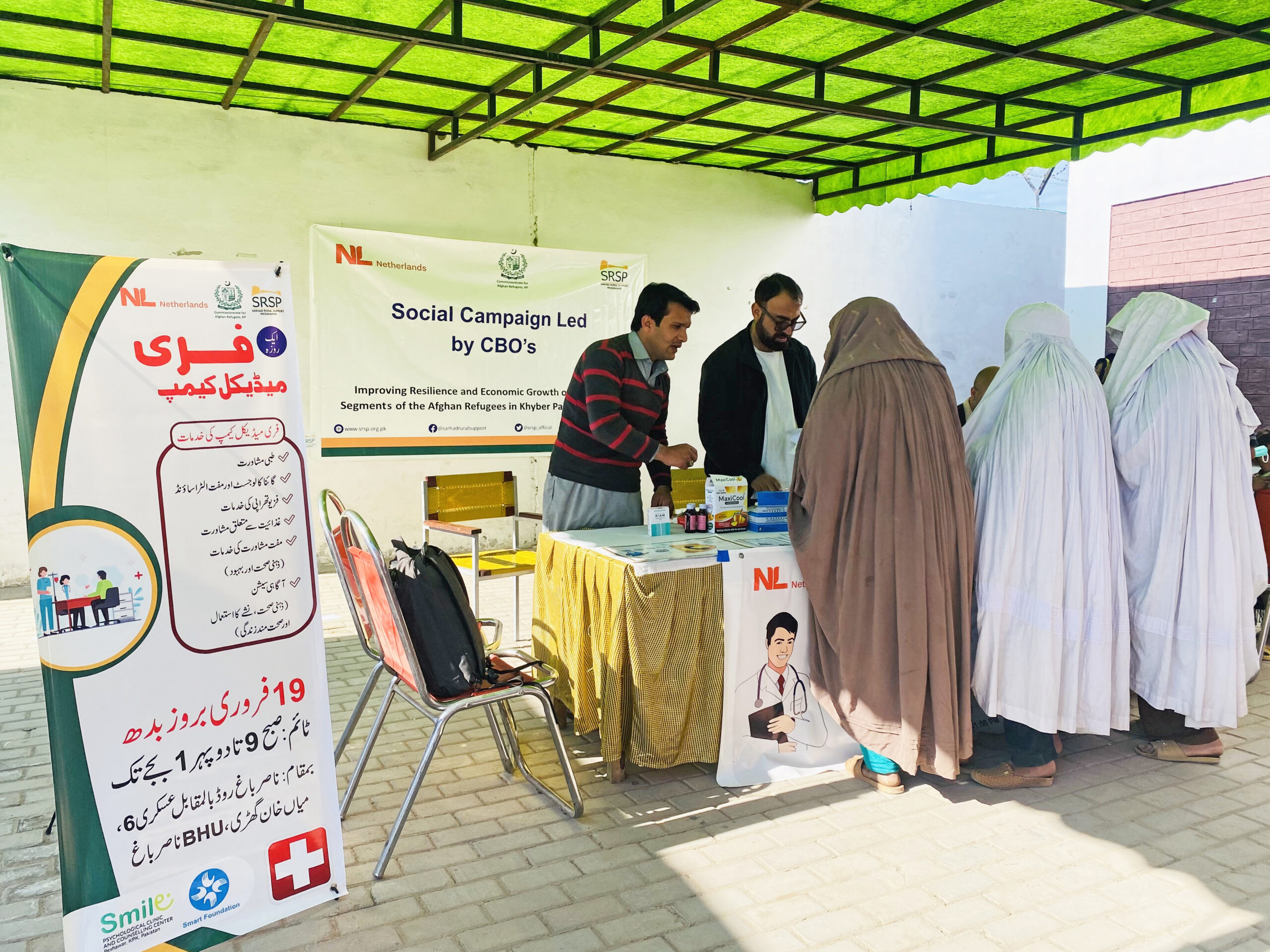
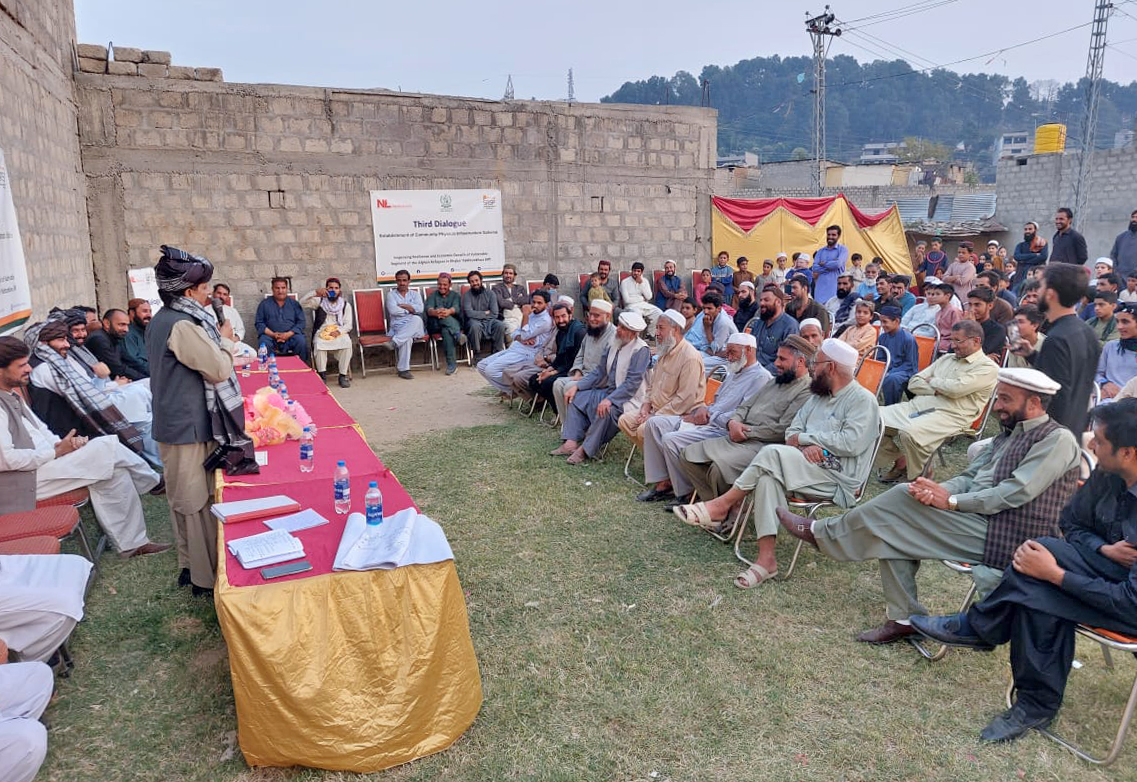
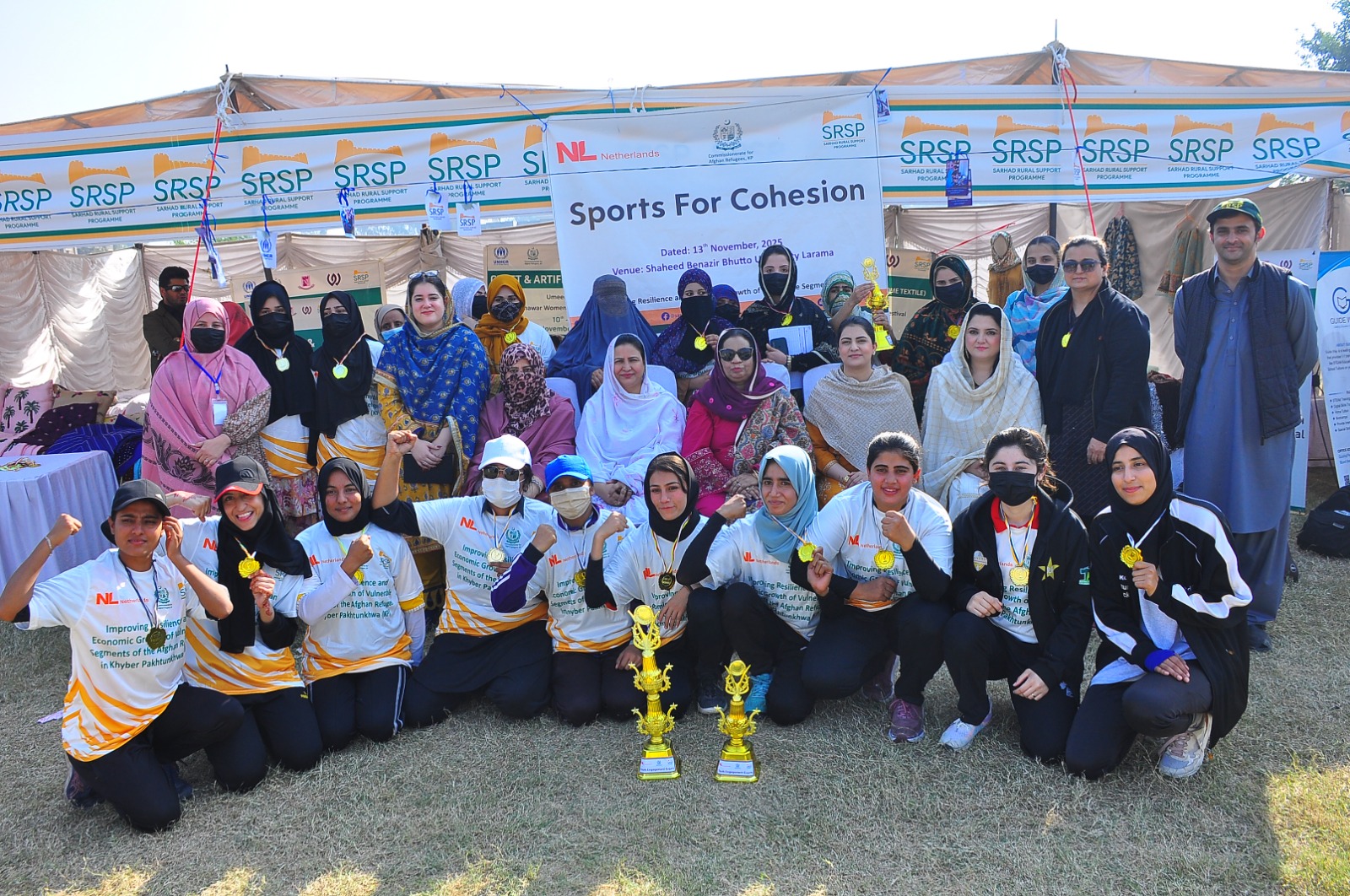
Community mobilization activities included three CBO-led events, 11 cluster meetings involving 53 CBOs, and 17 social campaigns led by 75 CBOs, reaching over 1,615 community members. Youth engagement remained a key emphasis, with 10 youth engagement activities mobilizing 614 participants (224 females and 390 males). These platforms fostered dialogue, collective action, and collaboration across diverse groups—laying the groundwork for strengthened social cohesion.
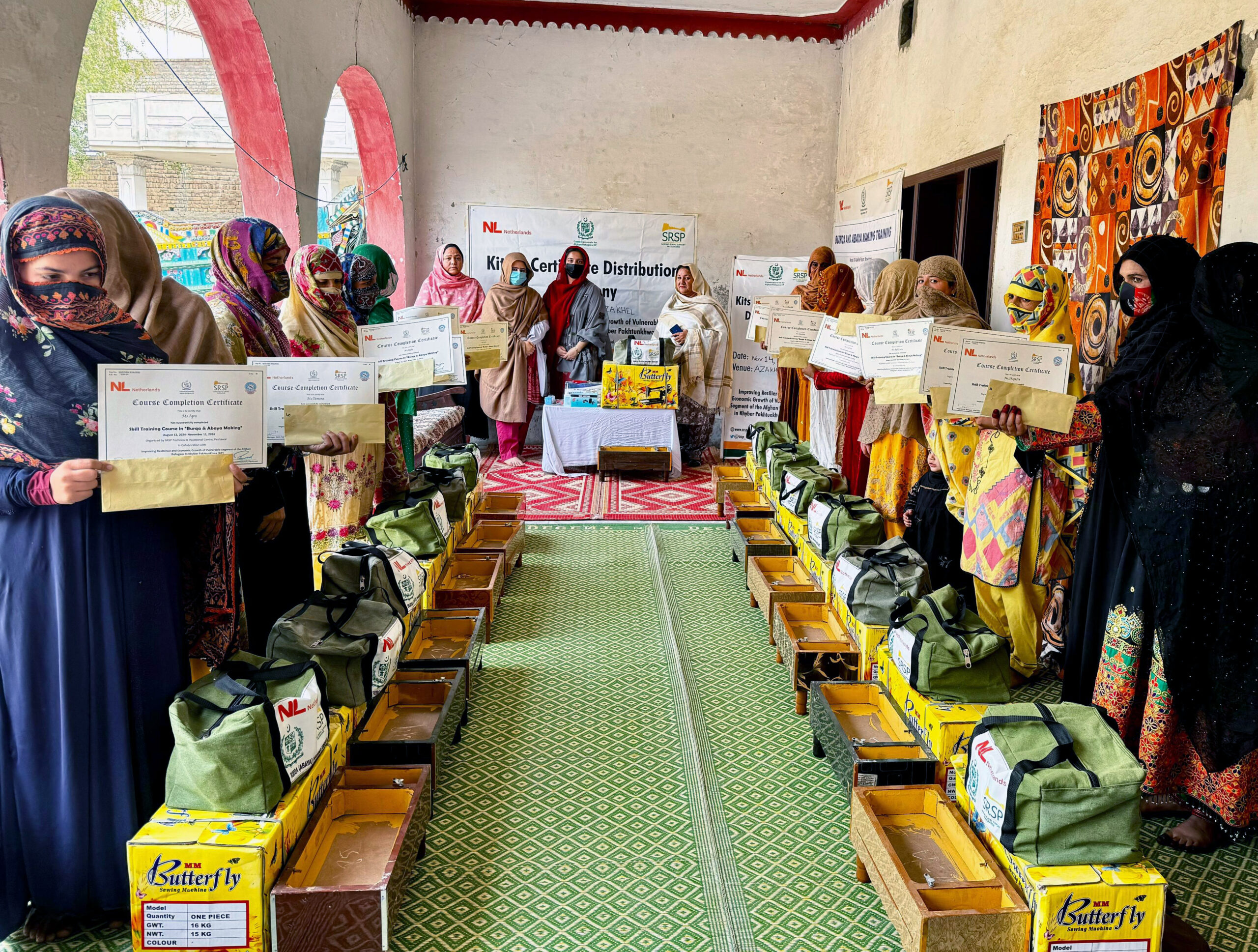
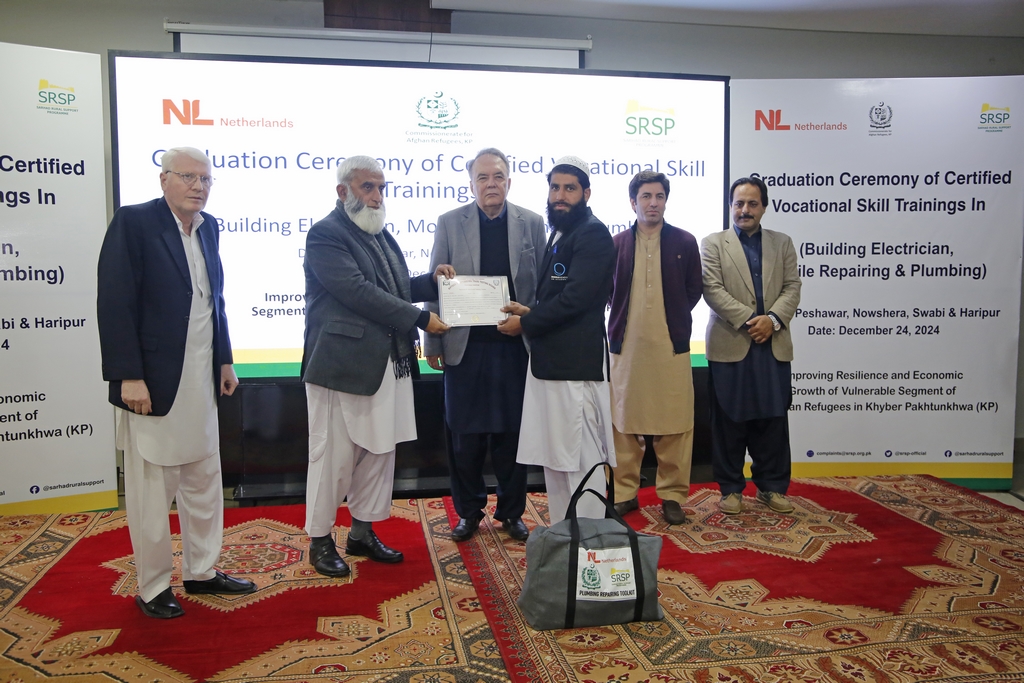
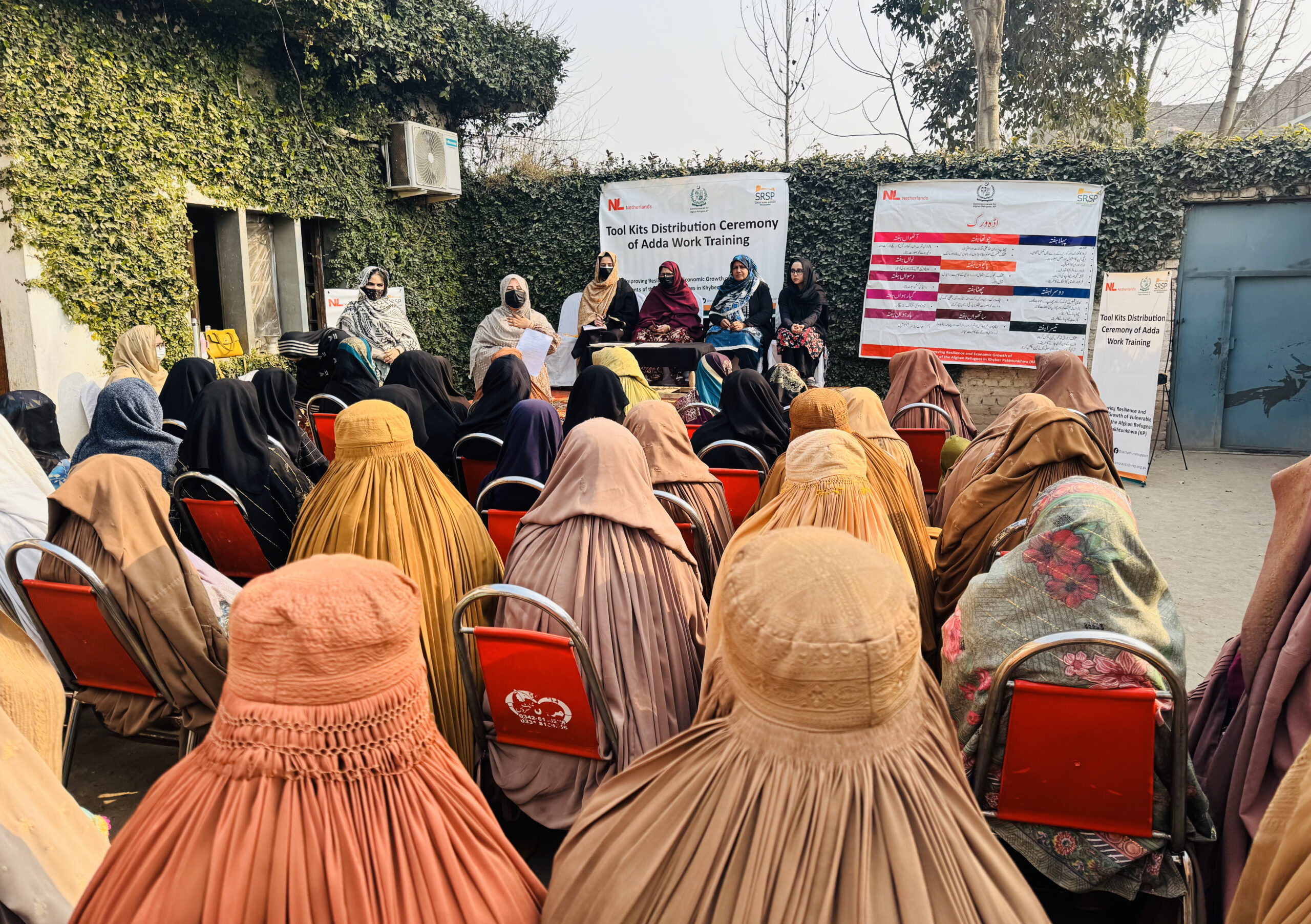
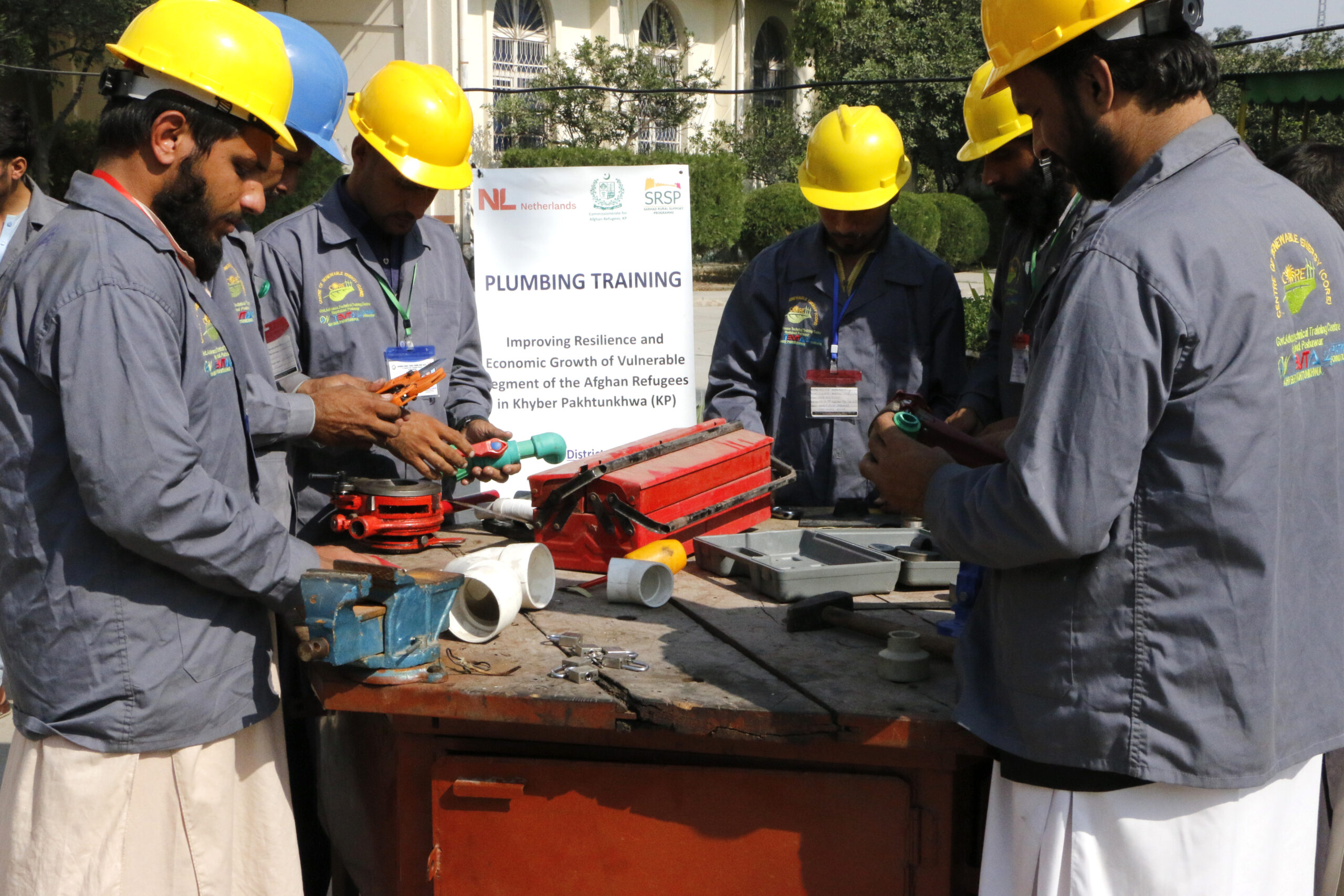
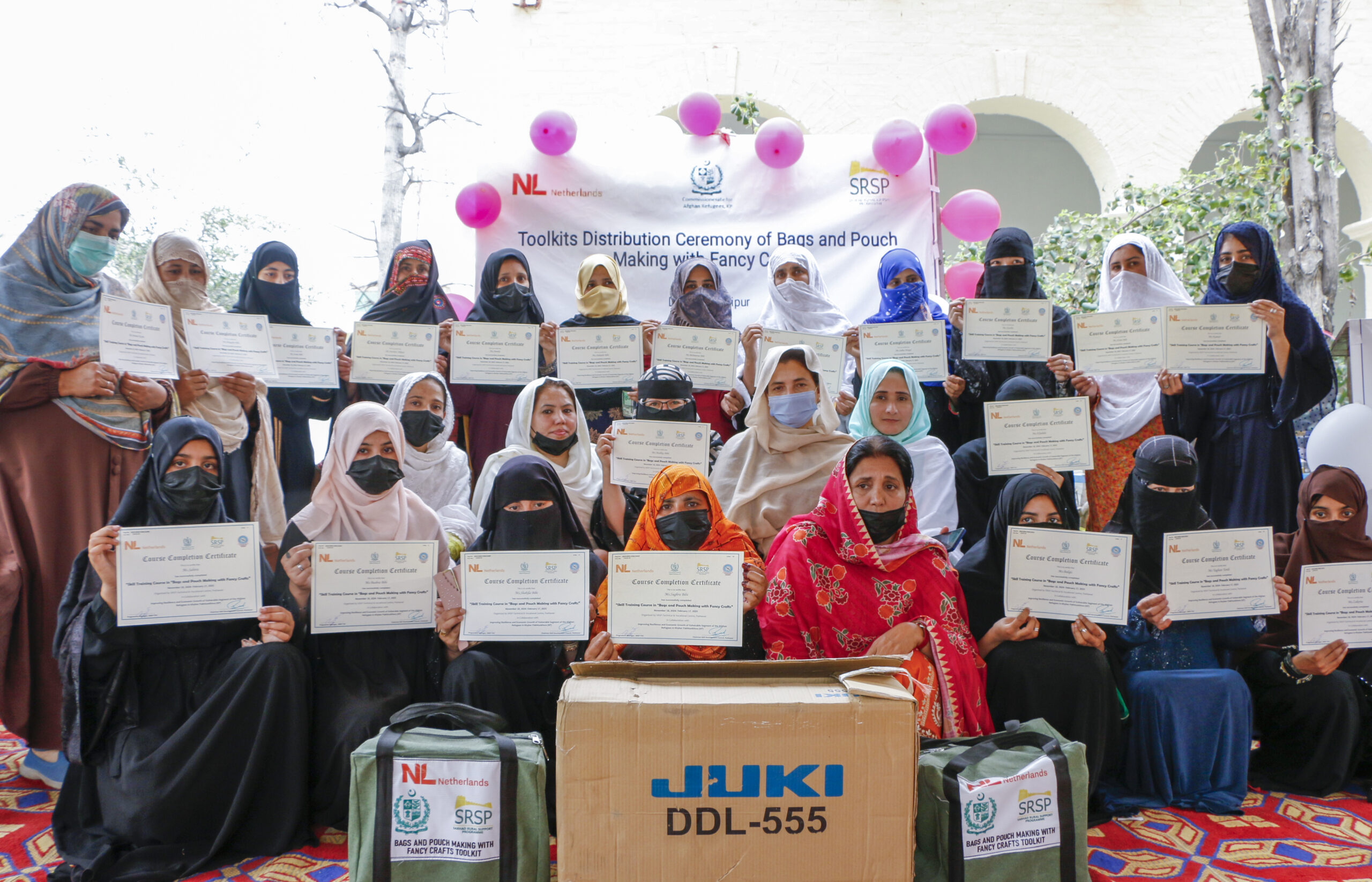
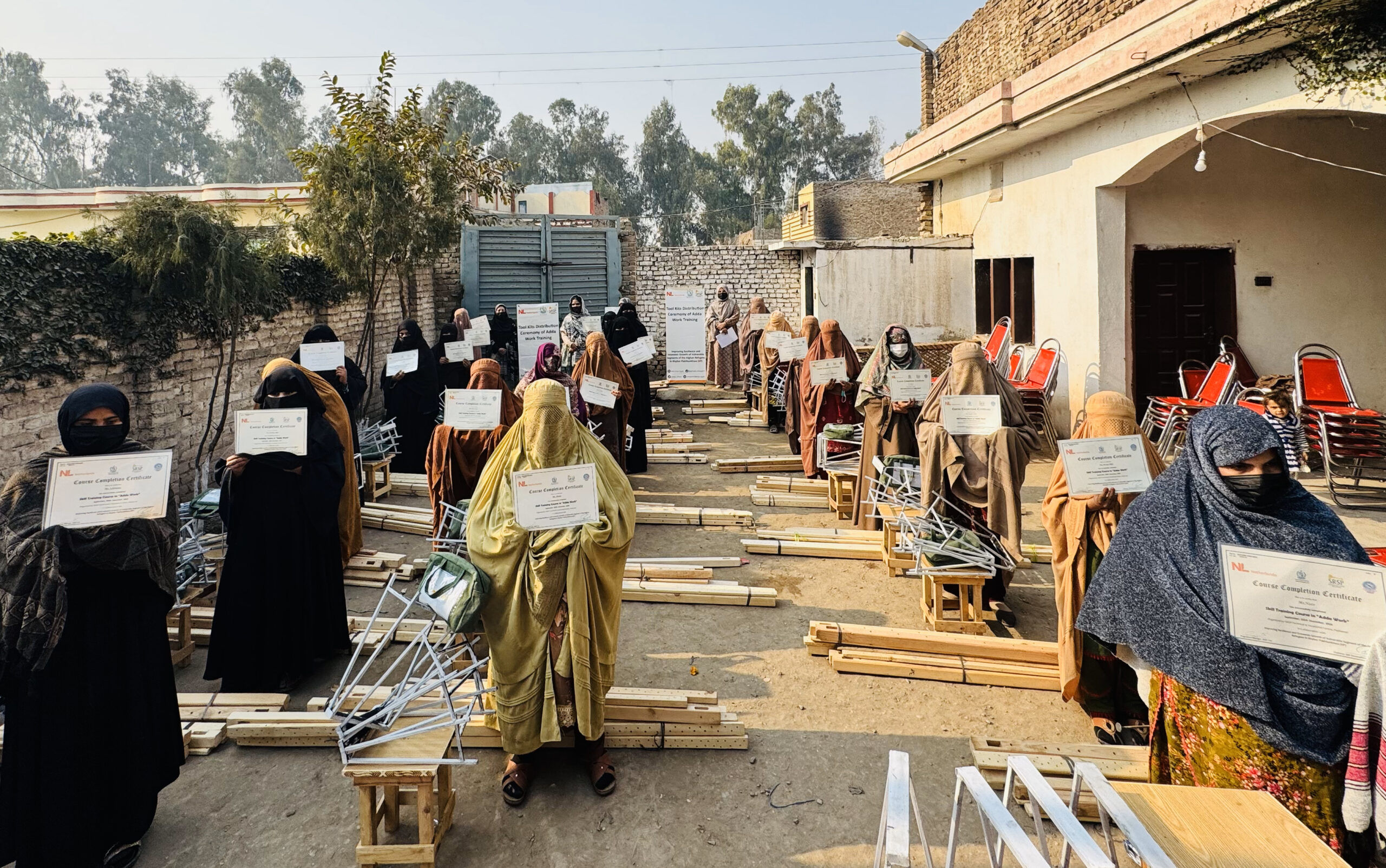
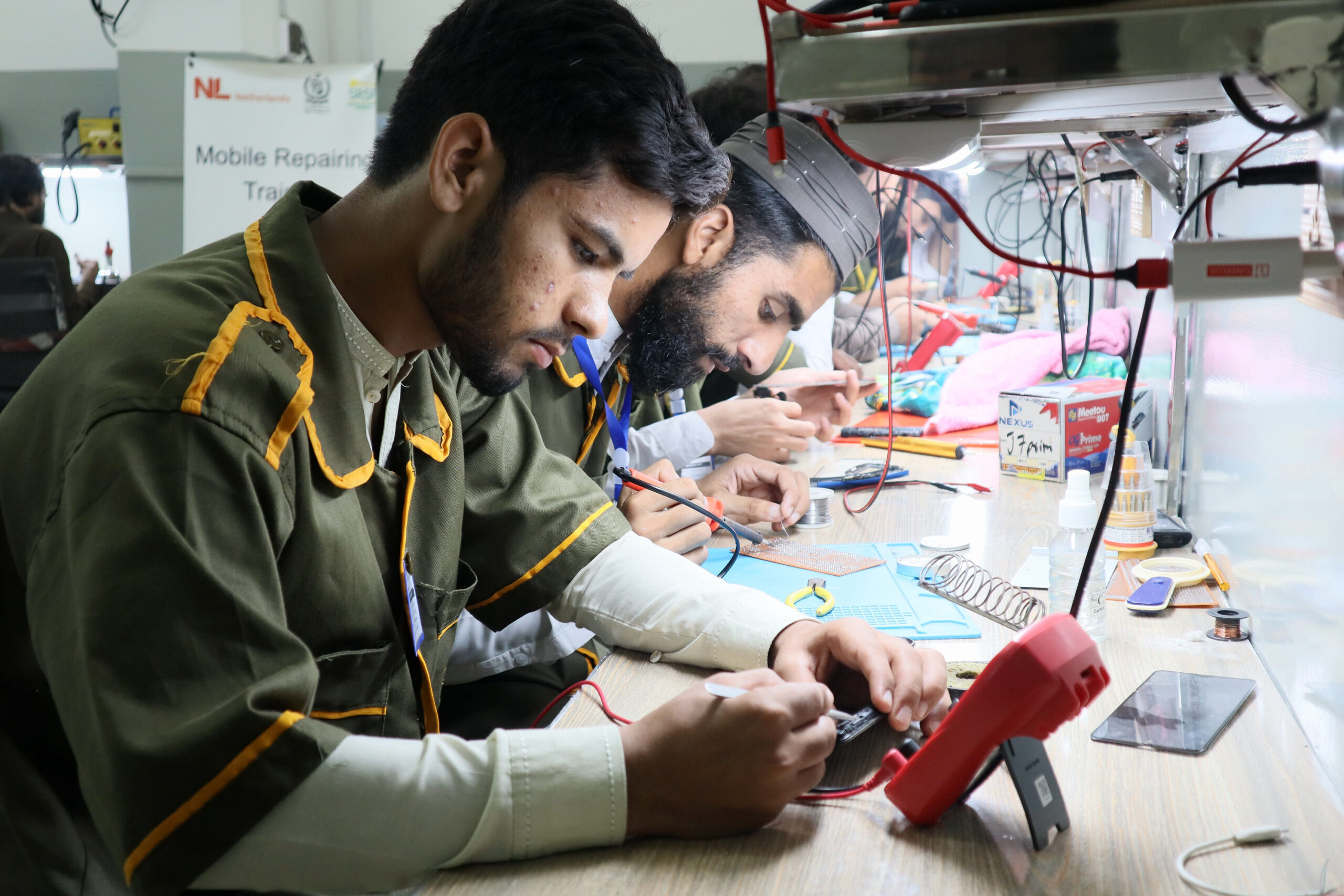
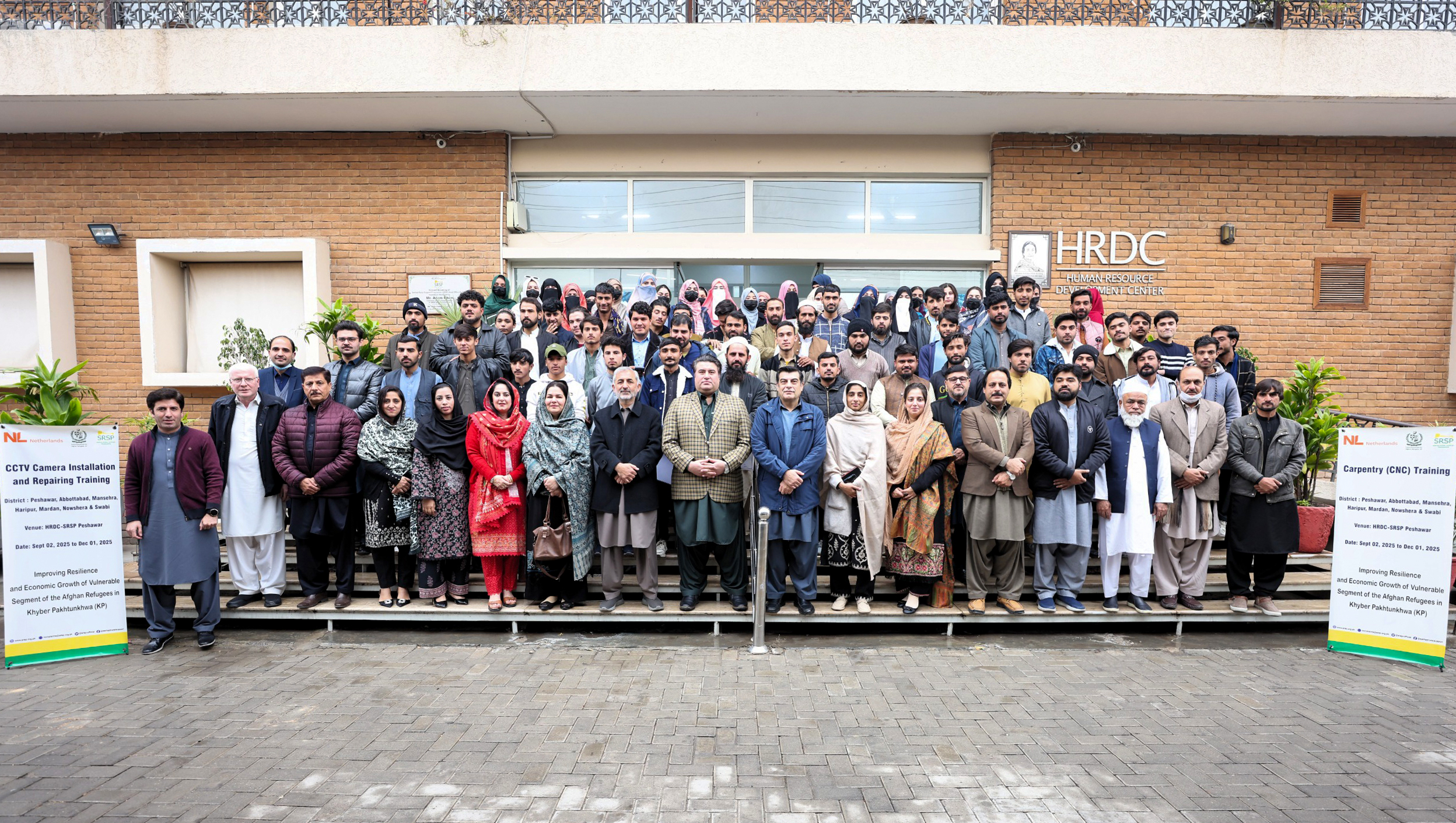
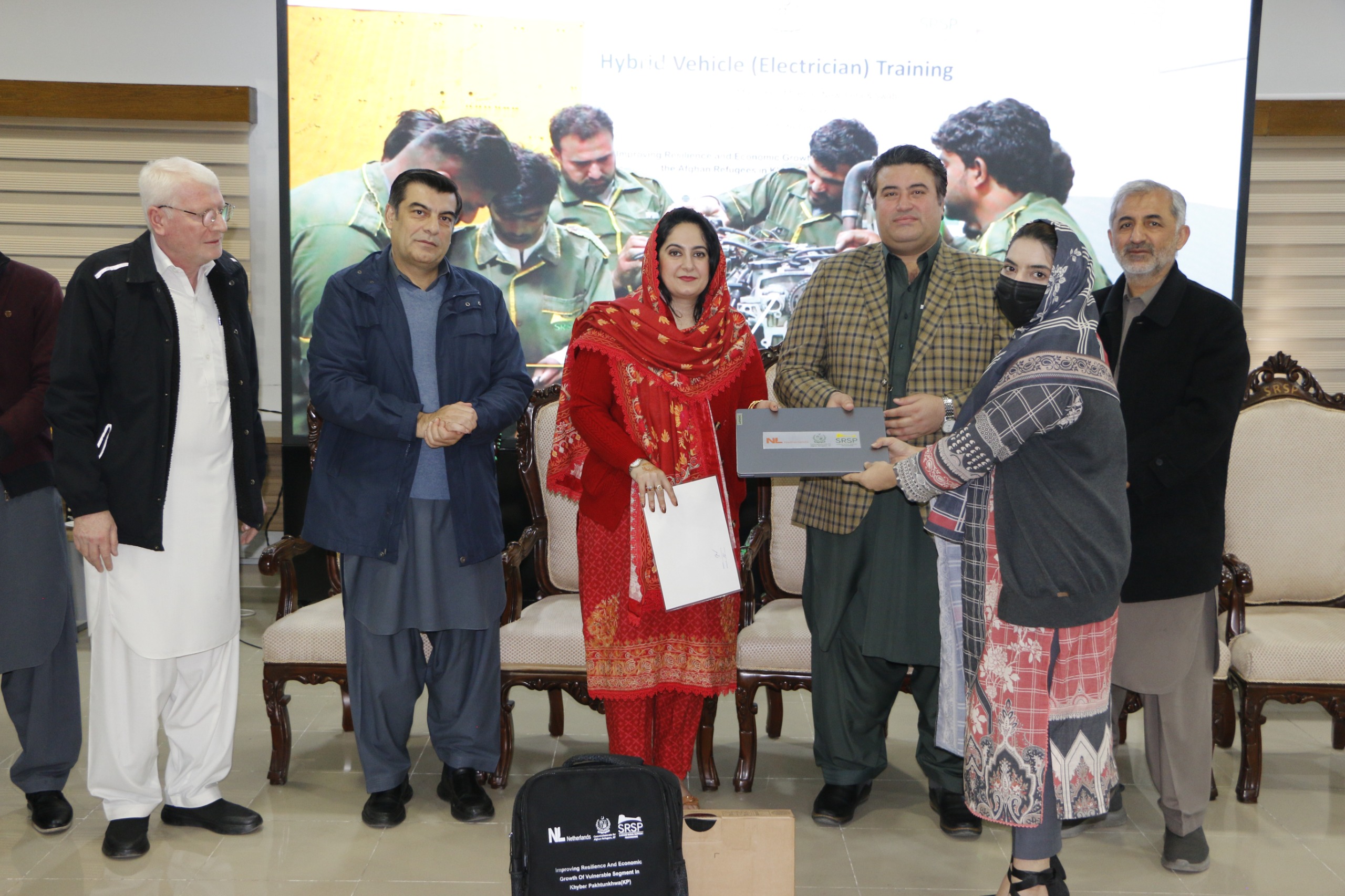
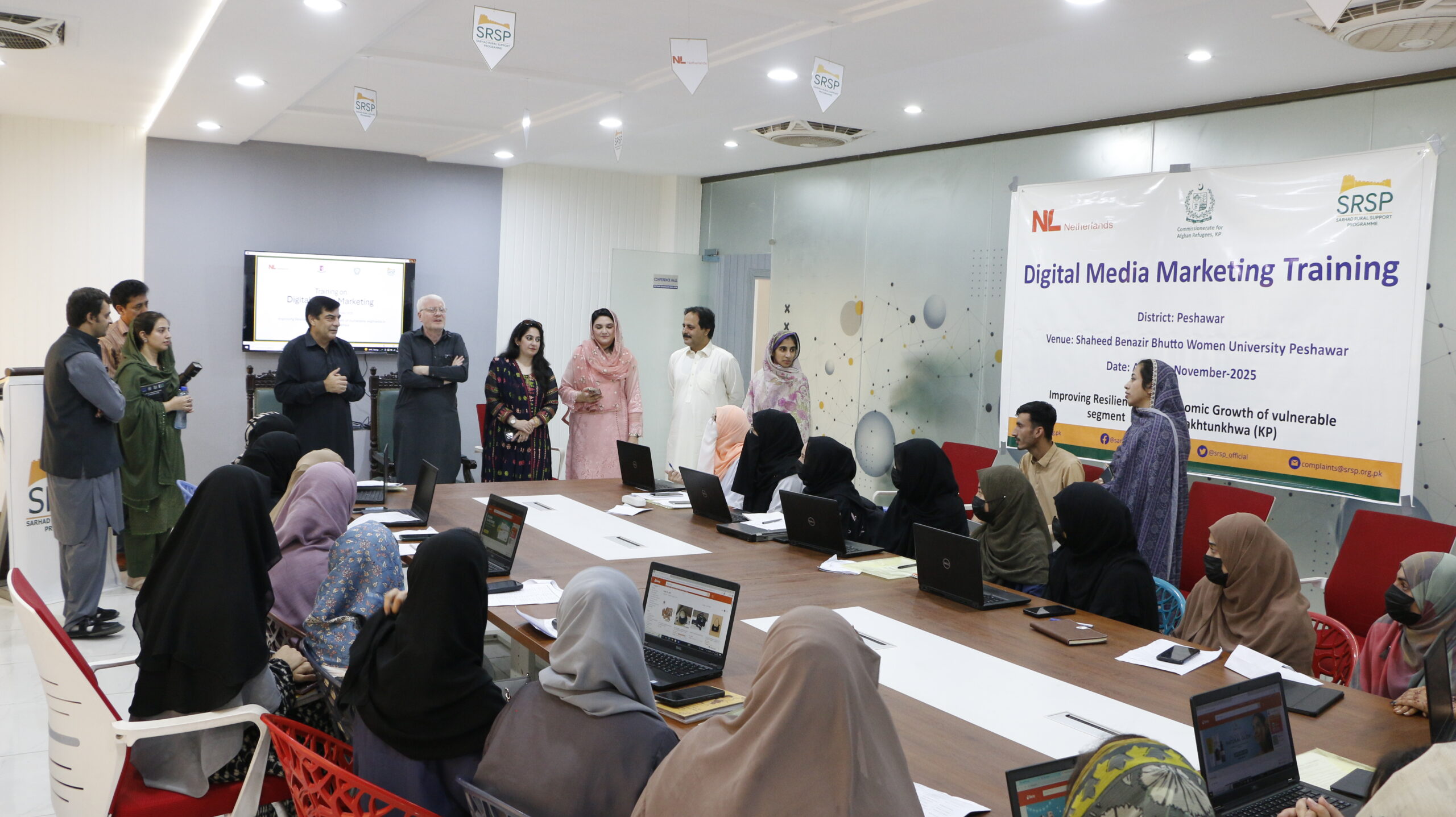
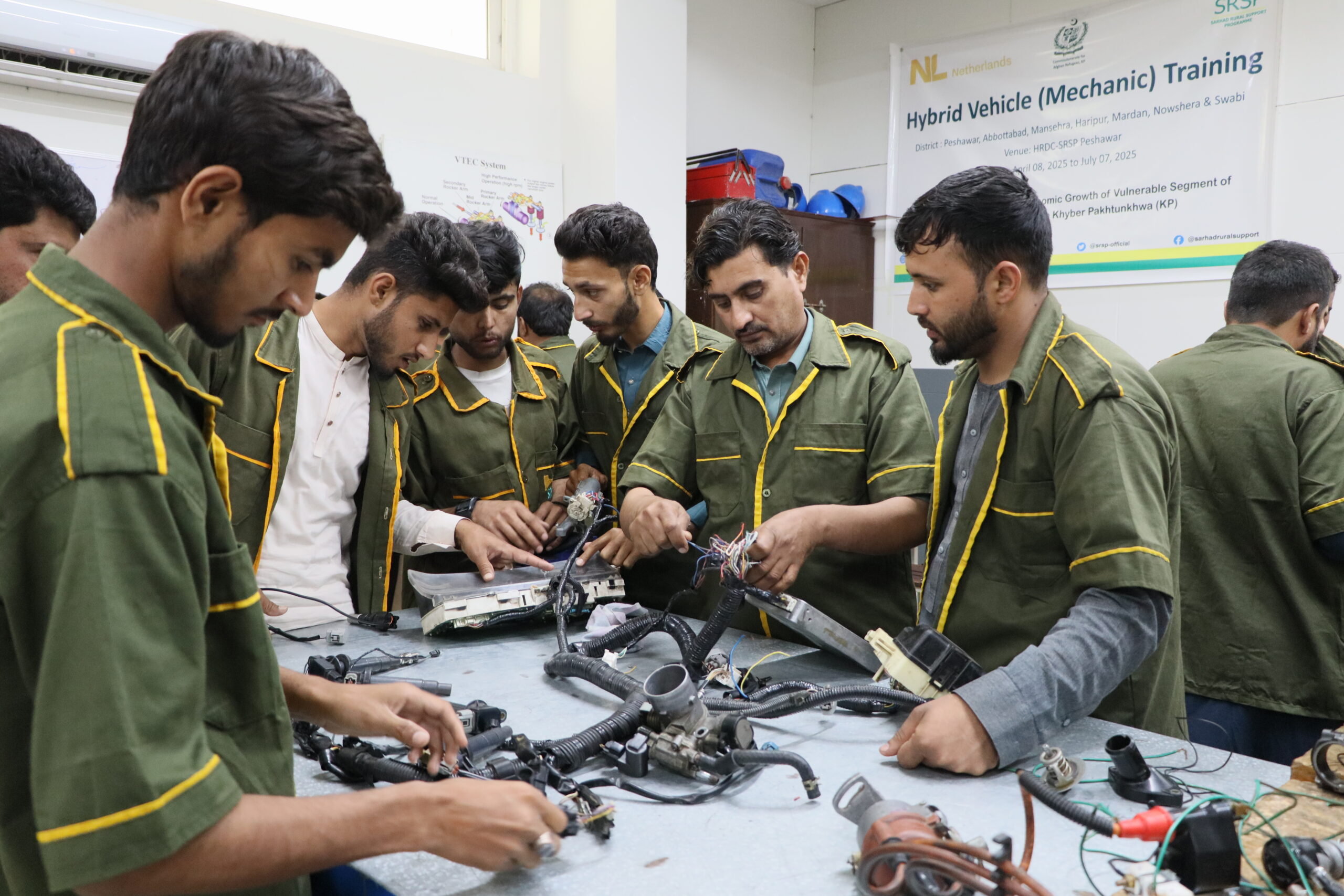
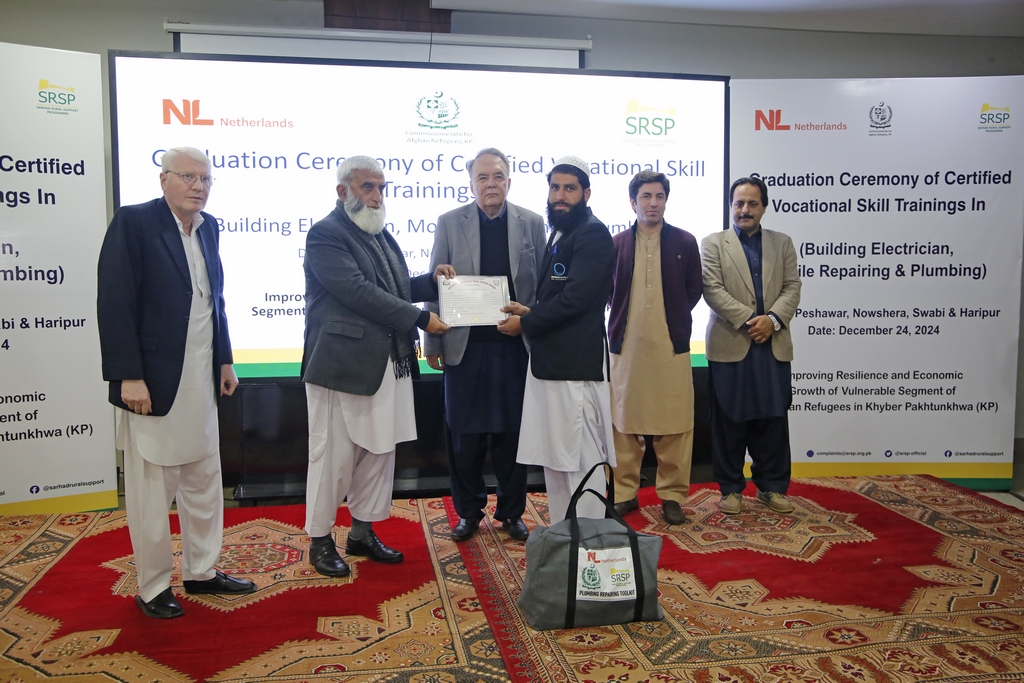
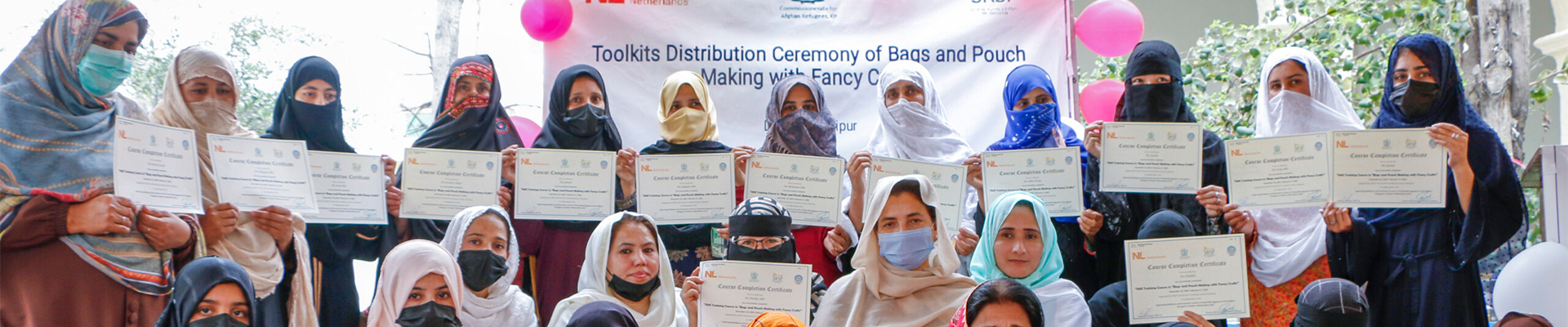
The project’s livelihood component targets vulnerable Afghan and host community households by enhancing their skills, supporting micro-enterprise development, and facilitating access to economic opportunities. Under Certified Vocational Skills Training, a total of 383 individuals completed training (193 in 2025 and 190 in 2024) across various trades. The beneficiaries include both men and women from FDP and host communities, increasing economic self-reliance for families with limited income sources. Parallelly, 192 individuals completed Business Management Skills Training (BMST), equipping them with essential entrepreneurship and financial literacy skills. These same 192 participants also received cash or in-kind grants to establish or expand micro-enterprises. Apprenticeship programmes have been initiated, with 10 trainees placed under skilled mentors to acquire on-the-job experience. Follow-up assessments show notable improvements: many women have transitioned from dependency or low-income work to running small enterprises, hiring workers, and diversifying their services. These outcomes have contributed to household financial stability and elevated women’s roles within their communities.
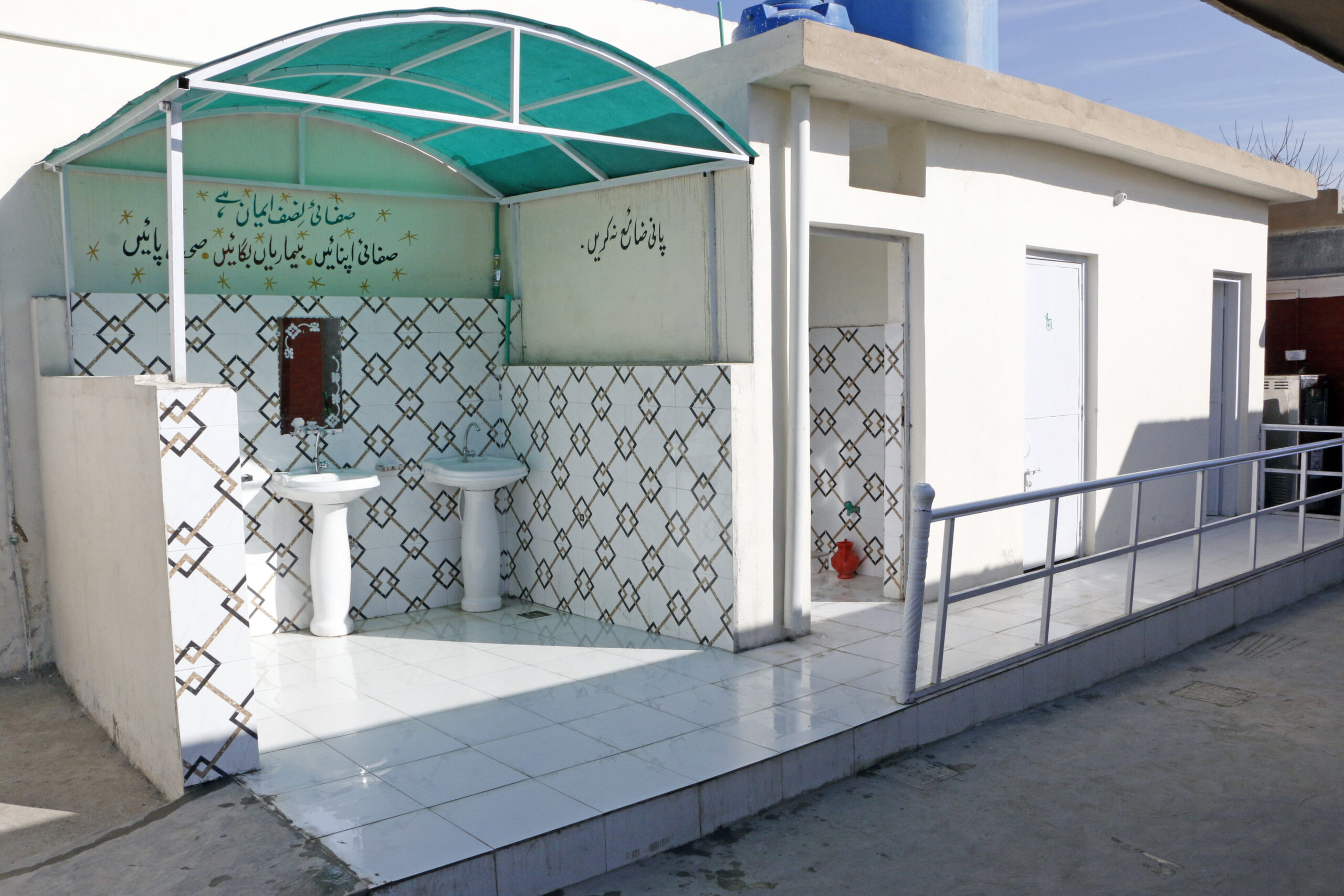
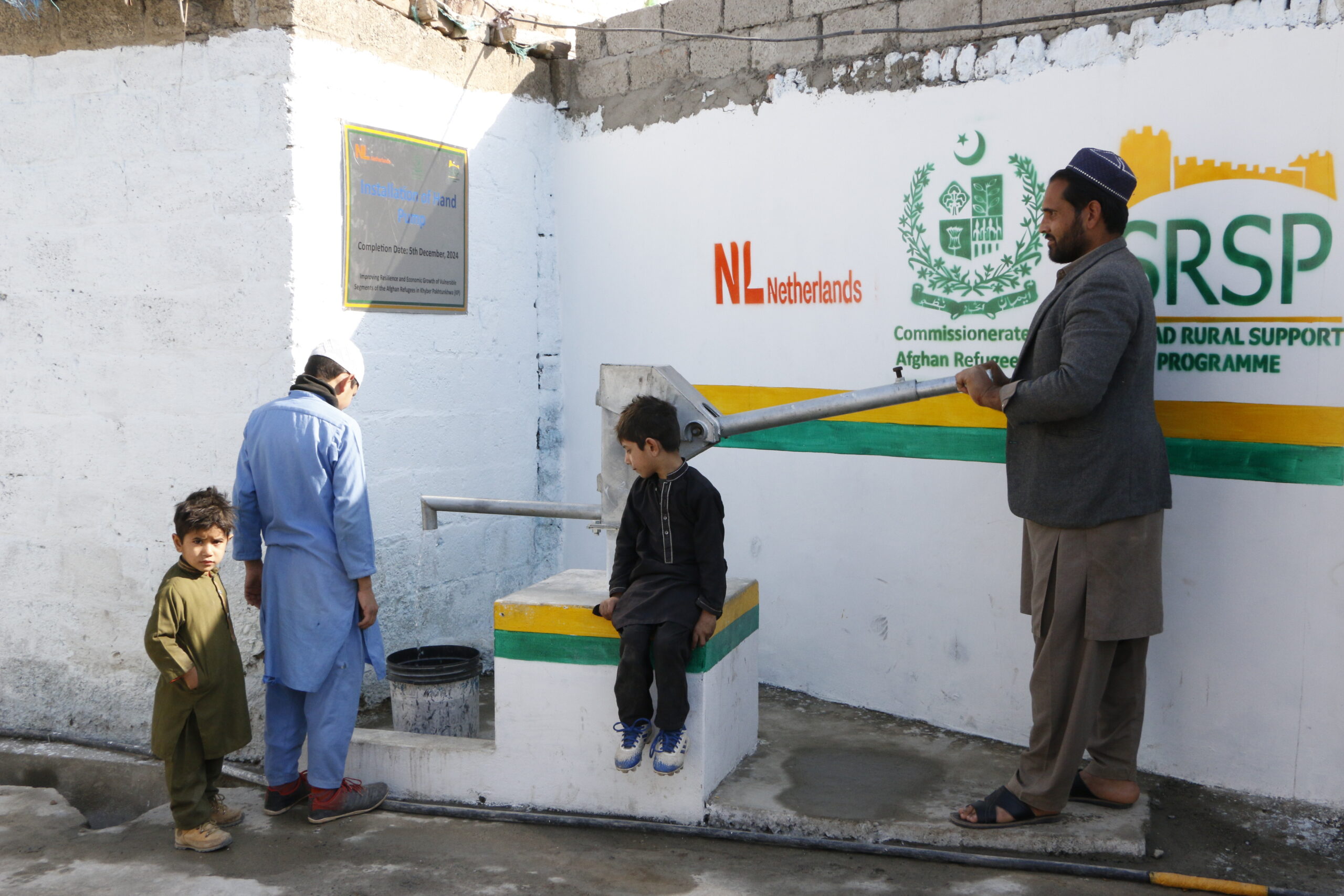
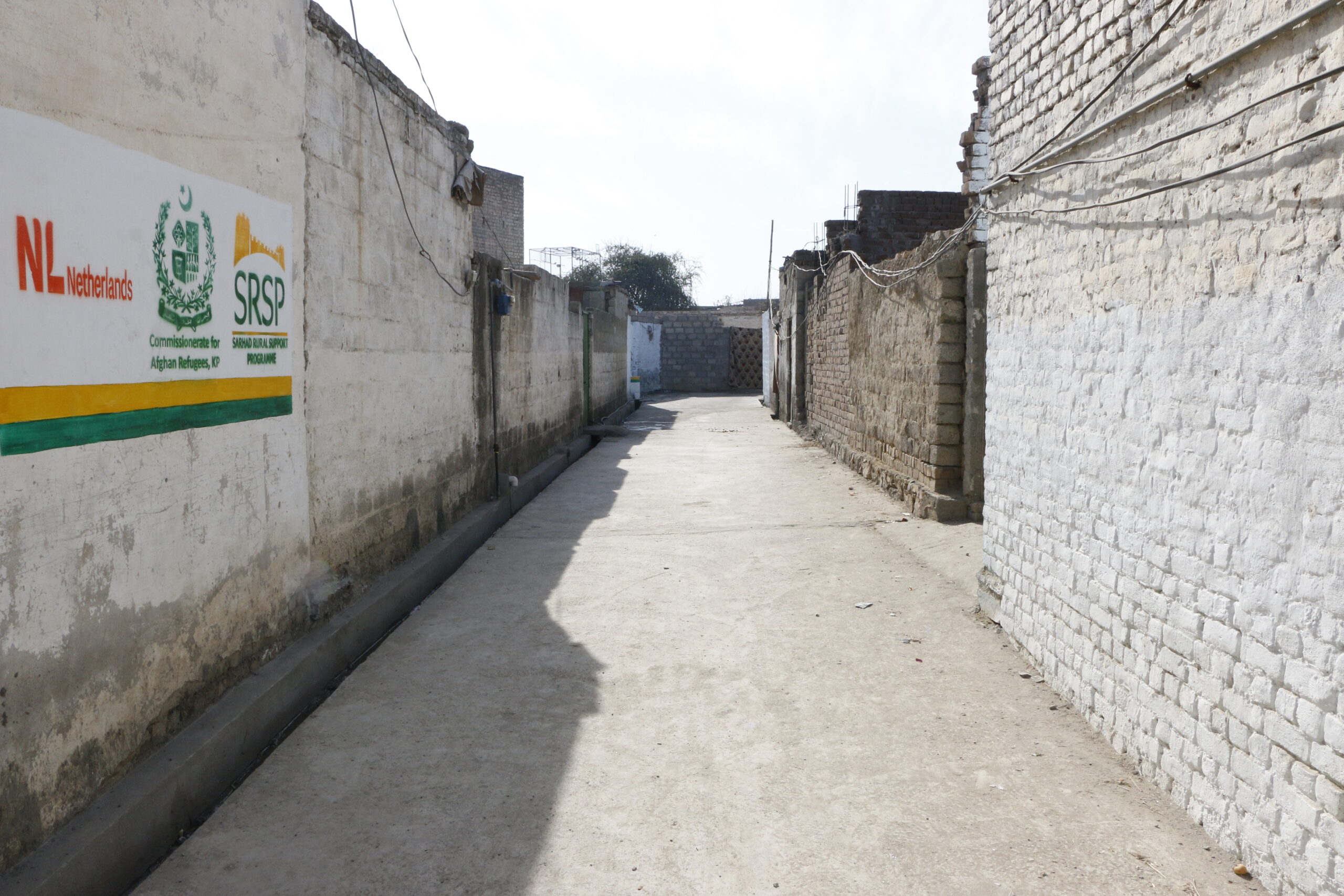
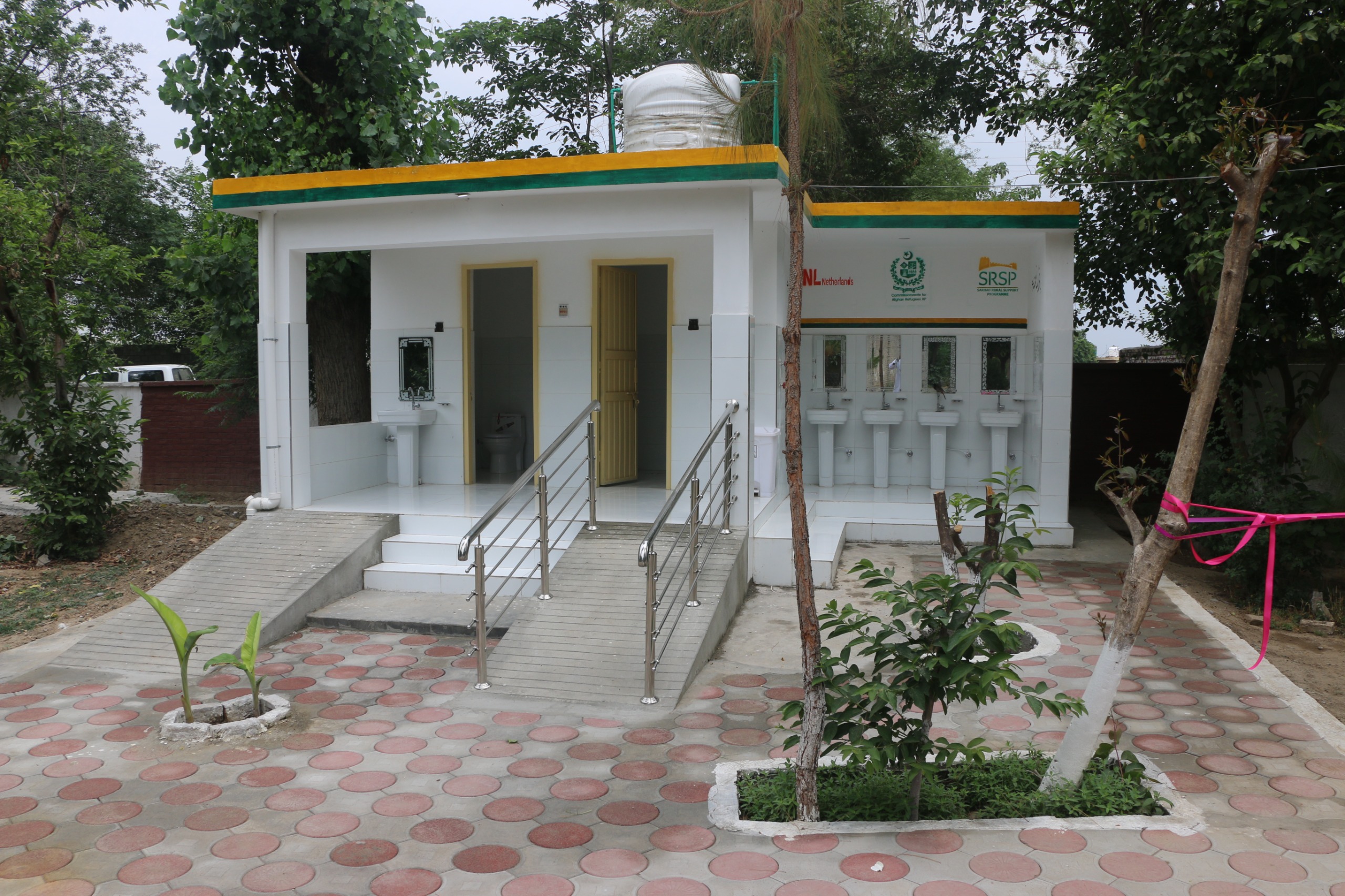
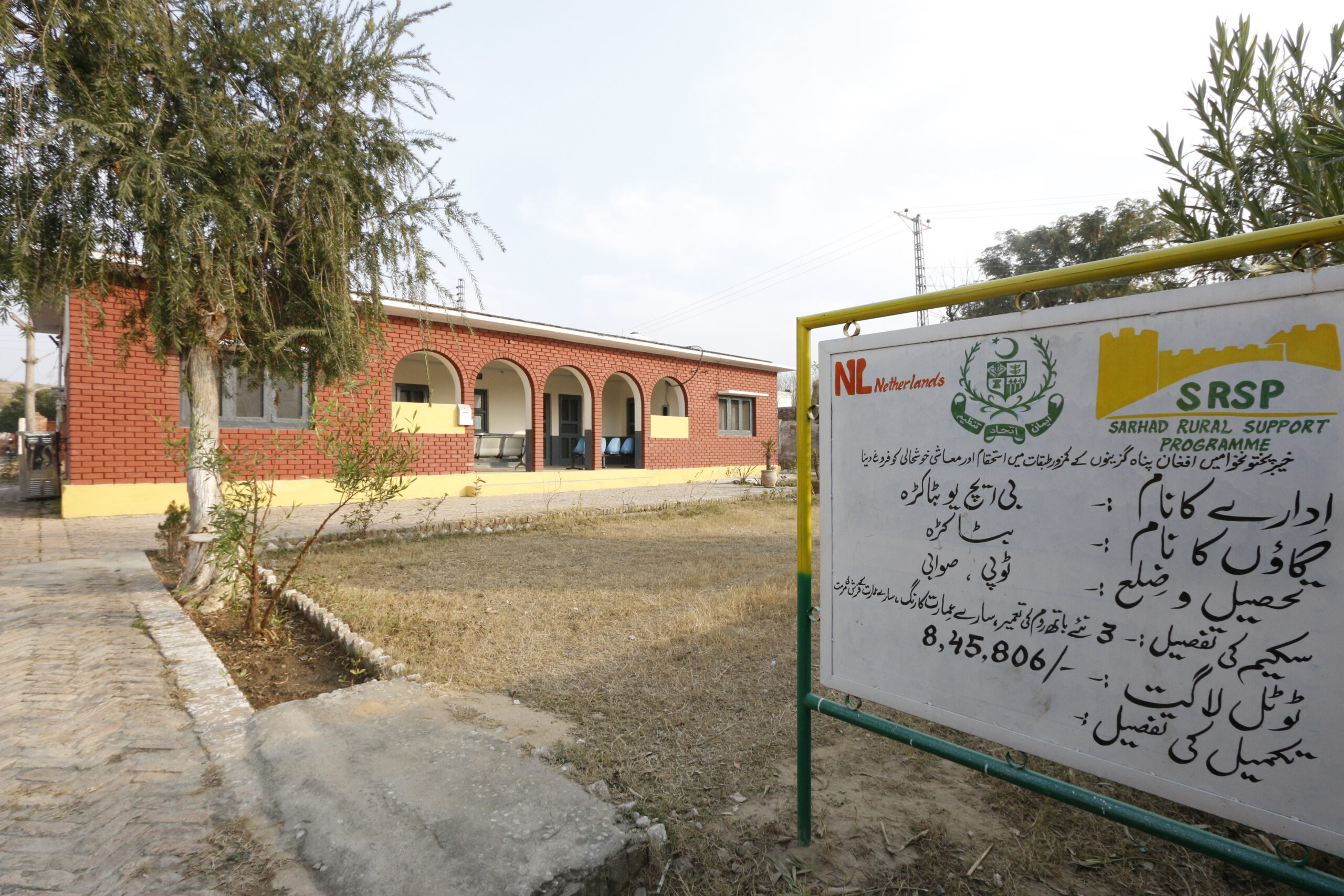
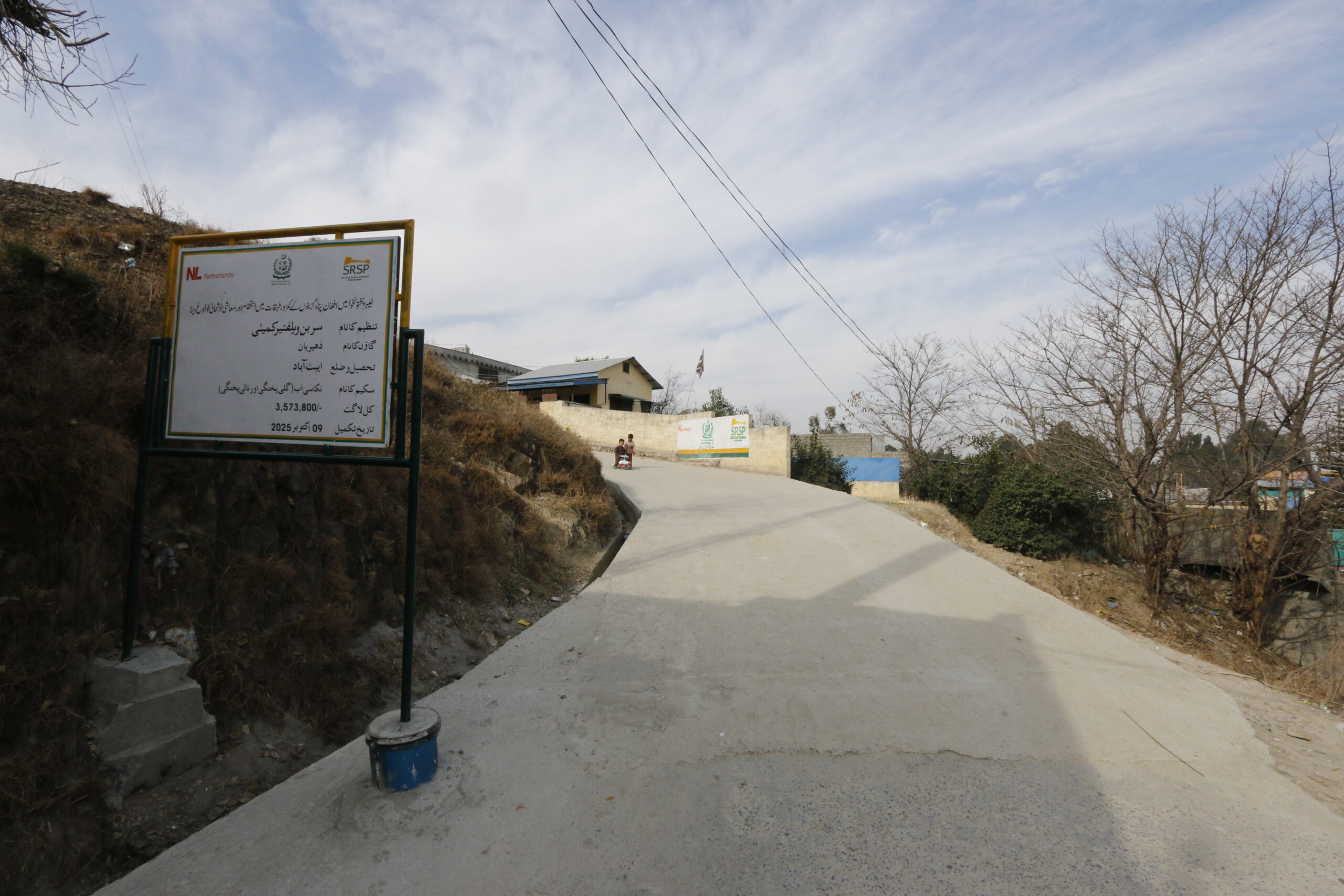
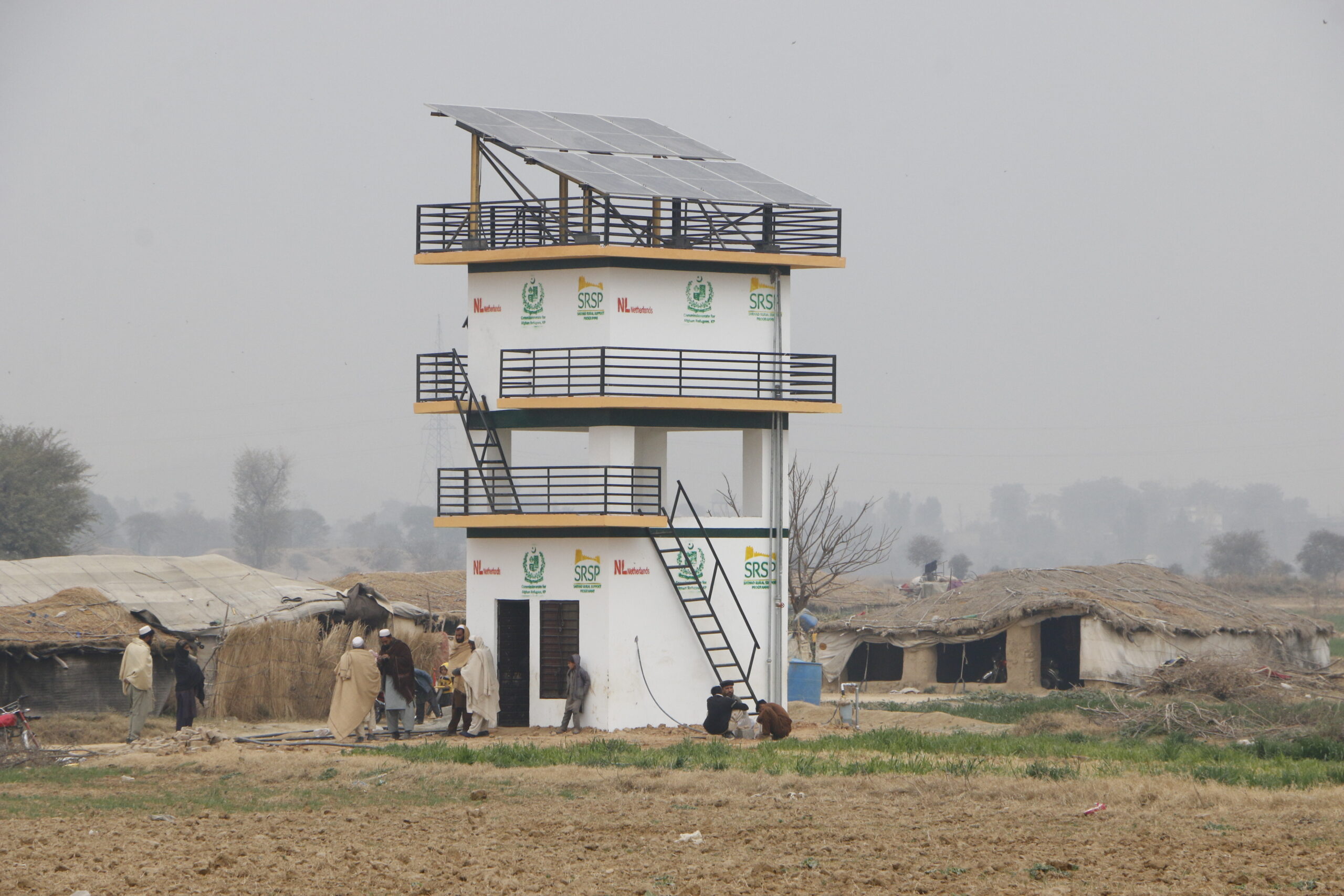
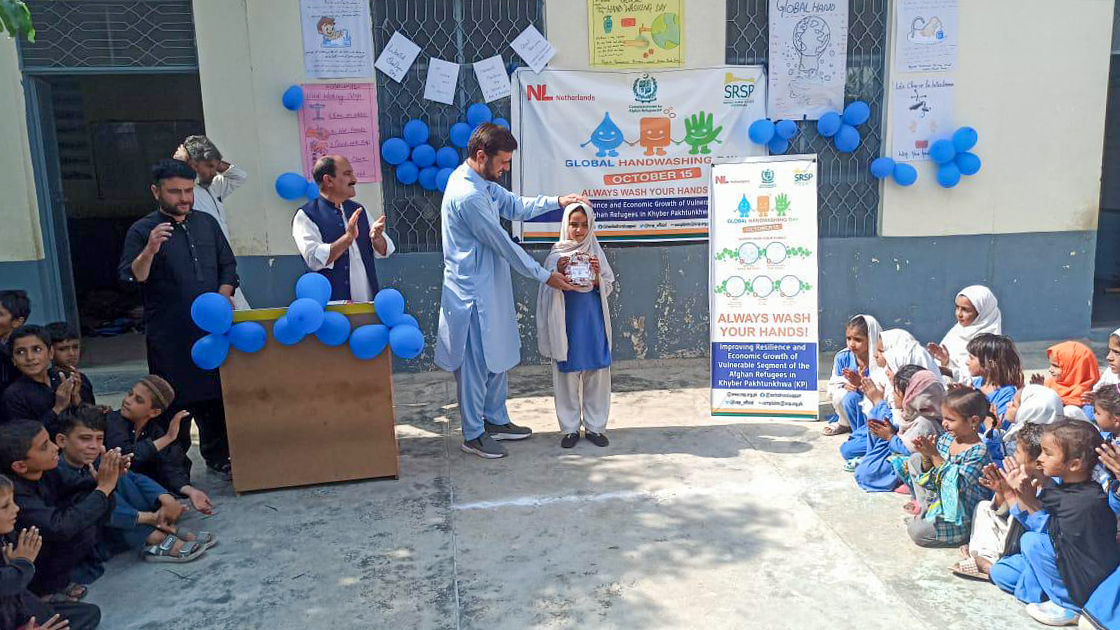
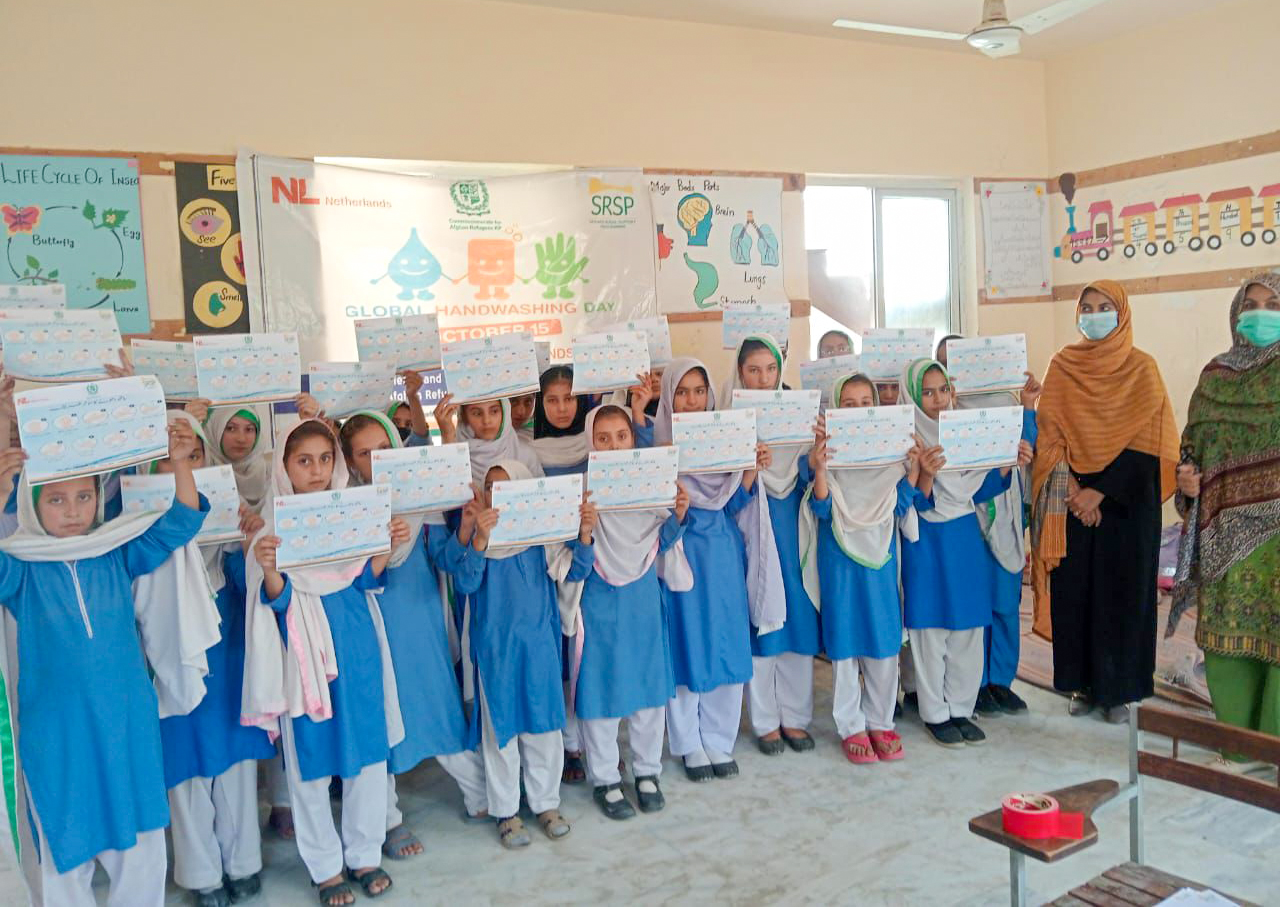
WASH interventions aimed to improve health outcomes and resilience in underserved settlements. In 2024 alone, over 16,000 individuals participated in awareness sessions, followed by an additional 5,000 individuals reached through Behaviour Change Communication in 2025. To strengthen community institutions, WASH clubs were formed in six schools, while four schools and four health facilities received major WASH infrastructure improvements. SRSP also supported communities through the establishment of 13 drinking water supply schemes, 12 sanitation systems, and 192 household latrines, ensuring safer access to water and sanitation for families in FDP-dense areas.
A key component of the project is ensuring safety, dignity, and access to services for women and girls. SRSP established eight Women and Girls Friendly Spaces (WGFS), providing safe environments for psychosocial support, information sessions, and referrals. These spaces collectively reached over 25,000 individuals.
SRSP also provided case management services to over 2,000 women and girls, ensuring tailored support for survivors of violence. Out of 1,333 referrals made to specialized services—including disability services, health care, legal aid, and livelihoods support—748 cases were successfully facilitated.
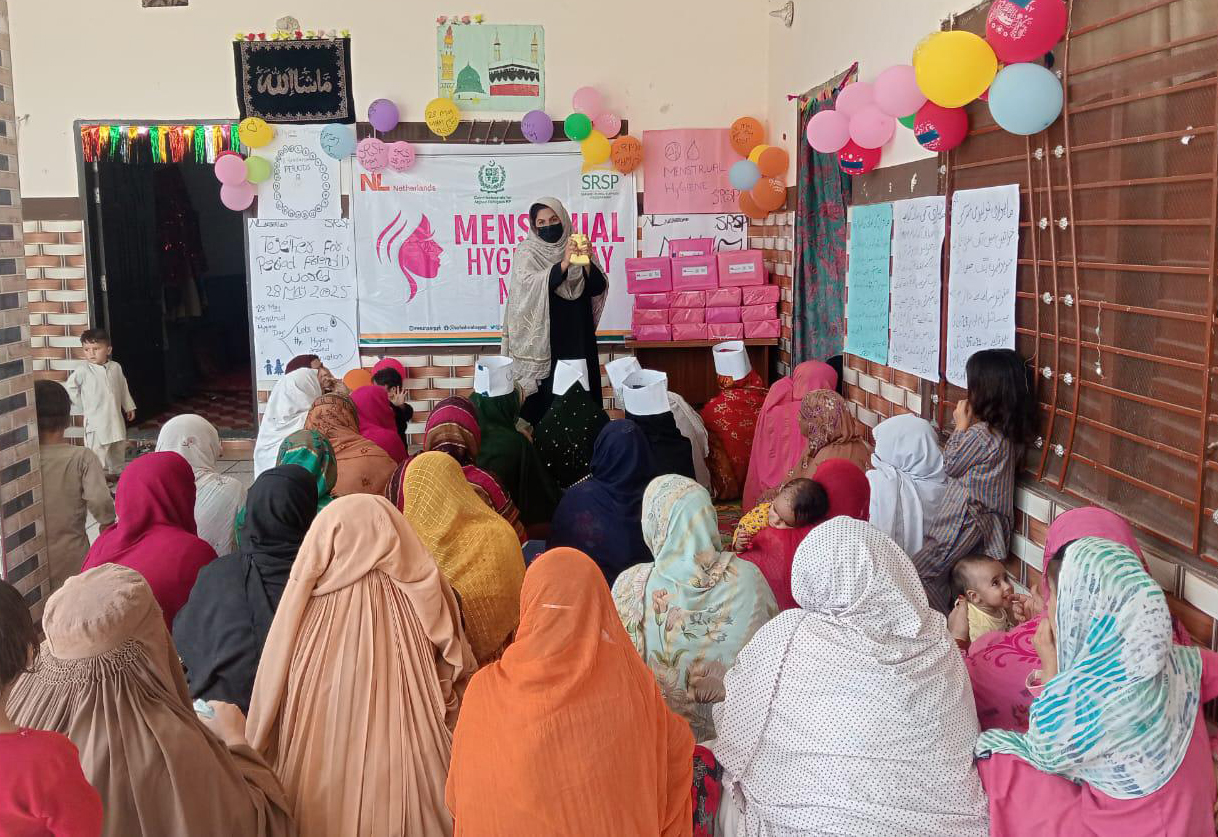
Additionally, awareness sessions on protection, GBV and menstrual hygiene management reached 3,724 individuals, strengthening community understanding of rights and reporting pathways. Five referral pathways were formalized and strengthened across districts.
The project has already demonstrated significant benefits across multiple sectors:
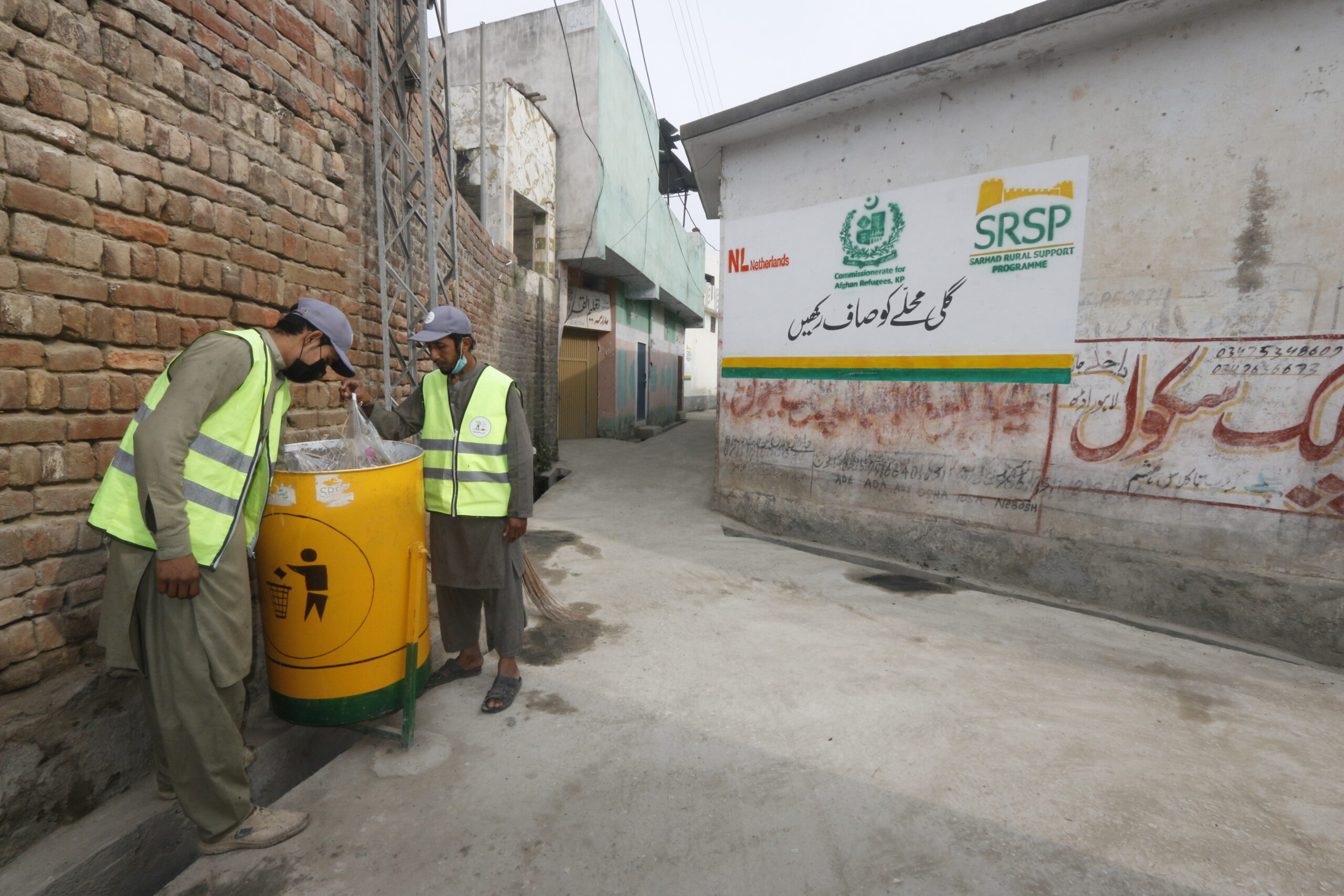
Strengthened local governance: Community organizations have developed strong linkages with TMAs and district institutions, advocating for services such as solid waste collection points.
Collective decision-making: 78 CBOs are actively engaging in joint planning and advocating for community needs, improving social cohesion between refugees and host communities.
Effective GBV response: Through WGFS and strengthened referral networks, hundreds of survivors have accessed essential services.
Improved livelihoods: Beneficiaries of BMST and enterprise grants—particularly women—are witnessing increased income, business growth, and improved household security.